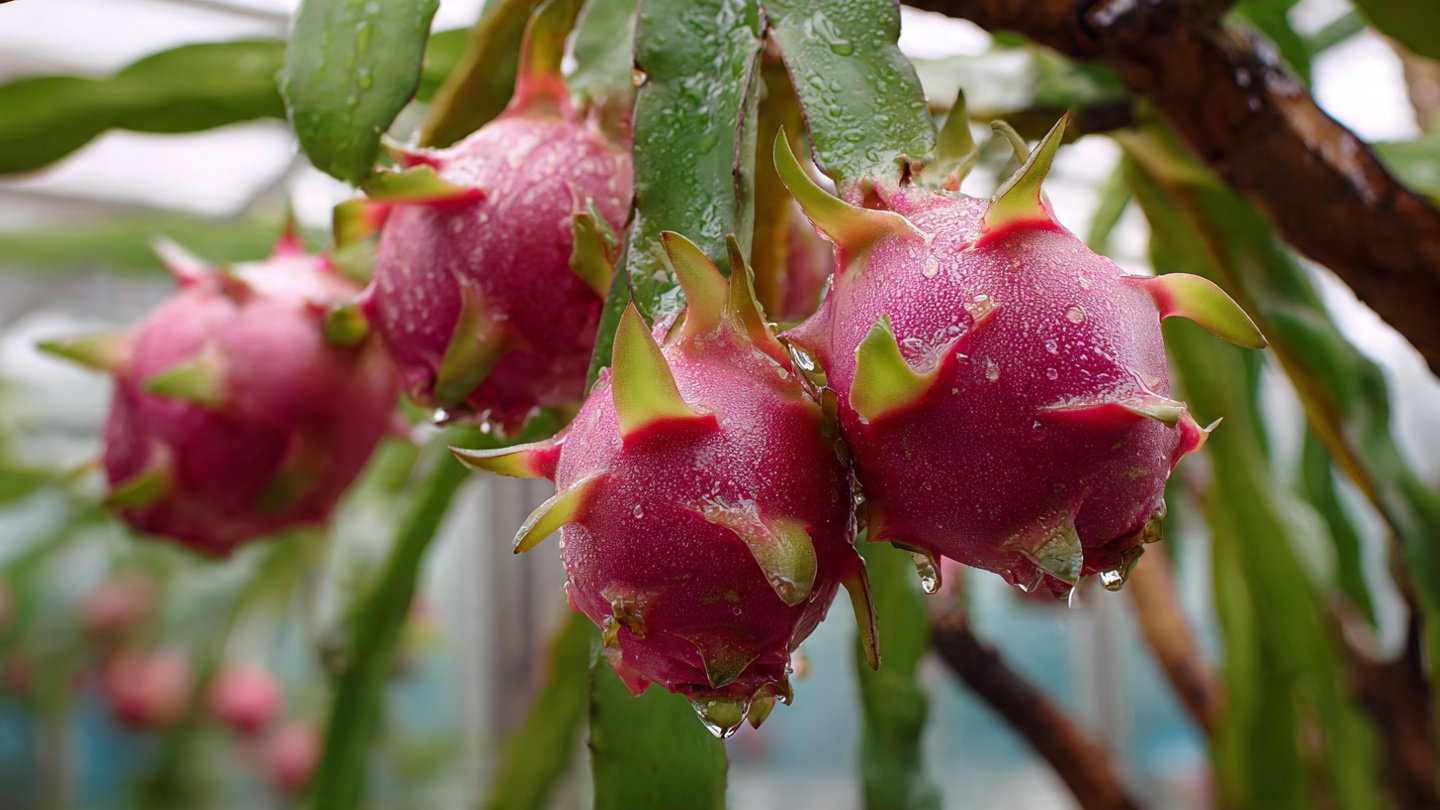
Dragon fruit, also known as pitaya, is not just visually appealing due to its vibrant colors and unique shape but is also packed with nutrients. Growing dragon fruit in containers is an excellent way to enjoy this exotic fruit even if you have limited space in your garden. In this article, we’ll cover the essential steps and considerations for successfully growing dragon fruit in containers, along with a comprehensive FAQ section at the end.
What is Dragon Fruit?
Before diving into the cultivation process, let’s take a moment to learn about dragon fruit. It comes from several different species of cactus, primarily the Hylocereus undatus (white-fleshed), Hylocereus costaricensis (red-fleshed), and Hylocereus megalanthus (yellow-fleshed). This tropical fruit is not only delicious but also offers numerous health benefits, including high levels of vitamin C, fiber, and antioxidants.
Latest Posts
- With Just 1 Bottle of Water How I Was Shocked by What Happened When Growing Vegetables
- Maximize Your Home Garden with the Hanging Pea Sprout Growing Model – Space-Saving, High-Yield, and Easy-to-Manage Vertical Gardening Solution
- Just Water – The Secret to Growing Plump, White Peanut Sprouts Right at Home: A Step-by-Step Guide for Beginners
- Growing Zucchini at Home in a Container: How to Cultivate Large, Long Fruits with a 1-to-72 Day Step-by-Step Diary for Maximum Yield
- Grow Long Beans on the Terrace in Used Recycling Baskets: The Ultimate Guide to Easy, Space-Saving, and High-Yield Terrace Gardening
- How to Grow Tons of Long Beans Easily Without a Garden – A Complete Guide to Growing Healthy Yardlong Beans Without Fertilizers or Pesticides
- Easy Long Bean Growing Trick – No Garden, No Fertilizer, No Pesticide
- Grow Bitter Melon in Bottles — Harvest So Big You Can’t Eat It All! The Ultimate Guide to Bottle Gardening for Maximum Yields
- Growing Garlic Made Easy: No Soil, Fast Results – The Ultimate Guide to Growing Fresh Garlic Indoors Without Traditional Soil
- Wall-Mounted Hydroponic Watermelon System: Grow Large, Juicy, and Delicious Watermelons at Home with Minimal Space and Maximum Yield
Choosing the Right Container
When growing dragon fruit in containers, your first step is selecting the appropriate container. Here are some important considerations:
Size
- Container Size: Your container should be a minimum of 15 to 20 gallons for the dragon fruit to thrive. A larger container allows for more soil and nutrients, which helps in better growth and fruit production.
- Depth: Ensure the container is deep enough to accommodate the roots of the plant. A depth of about 18 to 24 inches is ideal.
Material
- Material Type: Choose containers made of sturdy materials like plastic or fiberglass. Terra cotta looks attractive but can dry out quickly and may not provide adequate insulation for the roots.
- Drainage: Ensure the container has adequate drainage holes to prevent waterlogging, which can lead to root rot.

Selecting the Right Soil
The soil mix is crucial for the health of your dragon fruit. Here are some tips:
Soil Composition
- Well-Draining Soil: Dragon fruit prefers a sandy or loamy soil composition. You can create an ideal soil mix by blending potting soil with sand or perlite.
- pH Level: The soil should have a pH level between 6 and 7. You can test the pH level using a simple soil pH meter or kits available at garden stores.
Planting the Dragon Fruit
Propagation Techniques
Dragon fruit can be propagated through seeds or cuttings, but using cuttings is the more common and reliable method.
- Choosing Cuttings: Select healthy, mature cuttings that are six to twelve inches long. The cuttings should have a few nodes for optimal rooting.
- Preparing Cuttings: Allow the cuttings to heal for a few days. Place them in a dry spot out of direct sunlight until the cut end has calloused over.
Planting

- Fill Container: Fill your chosen container with the prepared soil mix, leaving about an inch of space at the top.
- Plant Cuttings: Make a small hole in the soil and place the calloused end of your cutting into it. Firmly pack the soil around the base.
- Watering: Water the soil lightly after planting to settle it around the cutting, but avoid overwatering.
Providing the Right Conditions
Sunlight
- Light Requirements: Dragon fruit thrives in bright, indirect sunlight for about 6 to 8 hours daily. If you’re growing it indoors, place it near a south-facing window or use grow lights.
Temperature
- Optimal Temperature: Dragon fruit prefers tropical conditions with temperatures ranging from 65°F to 100°F. Avoid exposing it to temperatures below 32°F, as this can damage the plant.
Support Structure
Since dragon fruit is a climbing cactus, it will need some support as it grows.
- Trellis or Stake: A sturdy stake, trellis, or any vertical support can help the plant climb as it matures. Make sure it is securely placed in the container, as the dragon fruit plant can become quite heavy.

Watering and Fertilizing
Watering
Dragon fruit plants prefer to dry out between waterings. Here’s how to water effectively:
- Watering Schedule: Water deeply every 2-3 weeks, allowing the top inch of soil to dry out before the next watering.
- Signs of Overwatering: Yellowing leaves or root rot are signs that you are overwatering. Ensure the soil has good drainage.
Fertilizing
To encourage healthy growth and fruit production, fertilize your dragon fruit plant.
- Type of Fertilizer: Use a balanced, low-nitrogen fertilizer. A 5-10-10 or 10-10-10 NPK fertilizer is suitable.
- Fertilizing Schedule: Fertilize every 4-6 weeks during the growing season (spring and summer). Reduce feeding during the winter months.
Harvesting
It typically takes about 6 to 12 months after planting for dragon fruit to bear fruit.

Signs of Ripeness
- Color: The skin will brighten in color when ripe.
- Softness: Press the fruit gently; it should yield slightly.
- Flowers: The flowers typically bloom at night. The fruit generally ripens a month after flowering.
FAQs
1. Can dragon fruit be grown indoors?
Yes, dragon fruit can be grown indoors, provided it receives enough bright, indirect sunlight for 6 to 8 hours daily. A south-facing window is ideal.
2. How long does it take for dragon fruit to grow?
It typically takes 6 to 12 months for dragon fruit to mature and produce fruit after planting.
3. Can dragon fruit survive winter temperatures?
Dragon fruit is sensitive to cold and should be protected from temperatures below 32°F. If you live in a colder climate, consider bringing potted plants indoors during winter.
4. Are there any common pests or diseases that affect dragon fruit?

Common pests include mealybugs, aphids, and scale. To prevent pests, monitor the plant regularly and remove any affected areas. Fungal diseases may occur with overwatering, so ensure proper drainage.
5. How often should I fertilize dragon fruit?
Fertilization should occur every 4-6 weeks during the growing season (spring and summer). Reduce feeding in the colder months.
6. Can I grow dragon fruit from seeds?
Yes, but growing from cuttings is more common and easier for home gardeners. Seeds can take longer to germinate and may not yield the same quality fruit as cuttings.
Conclusion
Growing dragon fruit in containers can be a rewarding experience. With the right conditions, soil, and care, you can enjoy this exotic fruit in your home garden or on your patio. Whether you are motivated by the challenge of cultivation or the delight of harvesting fresh dragon fruits, following these guidelines will set you on the right path. Happy gardening!