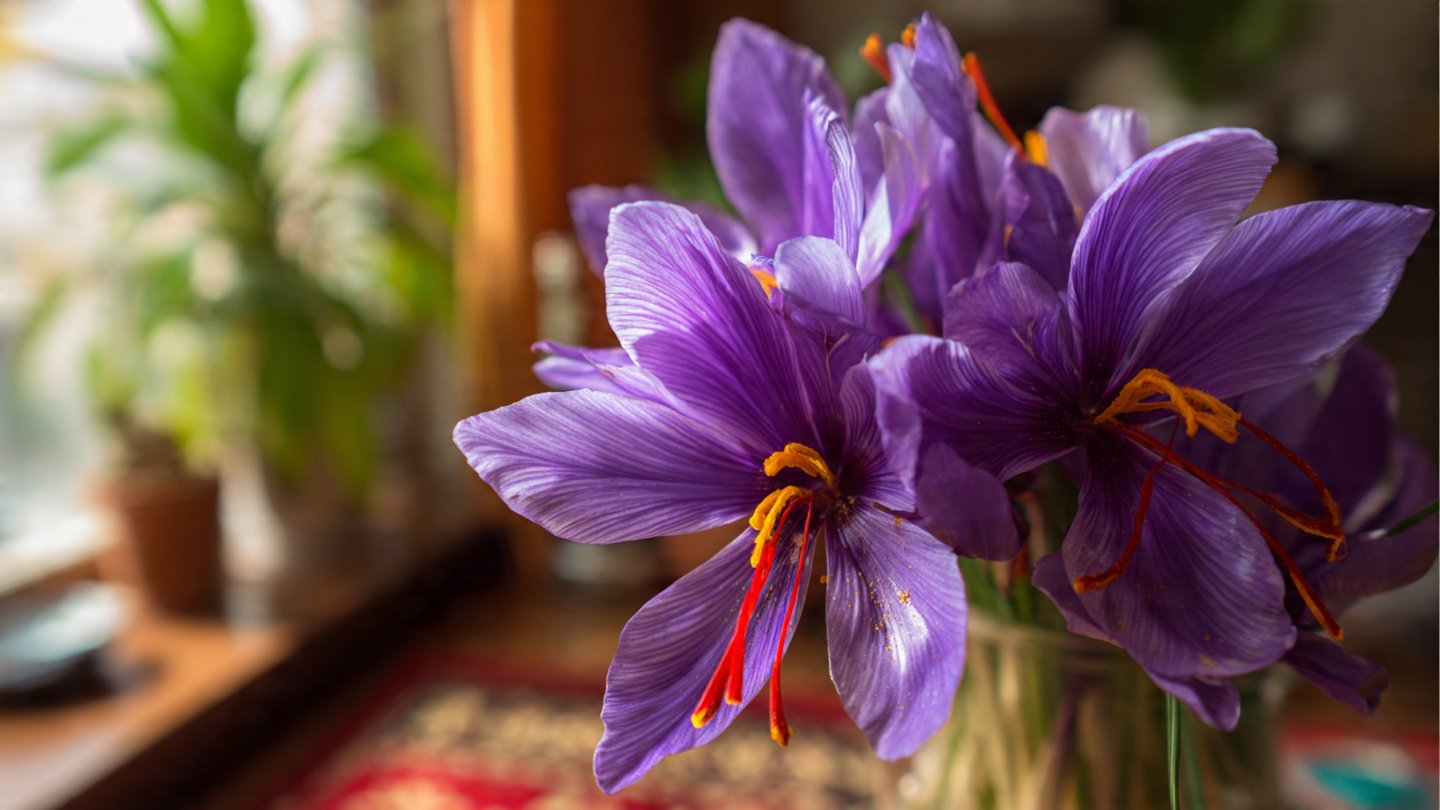
Saffron, often referred to as “red gold,” is one of the most valuable spices in the world. Known for its unique flavor, rich color, and numerous health benefits, saffron is derived from the stigma of the Crocus sativus flower. While traditionally grown in warm climates, cultivating saffron indoors is not only feasible but can also be highly rewarding. This article will guide you through the entire process of growing saffron indoors successfully, from planting to harvesting, while also addressing common FAQs.
Understanding the Requirements for Growing Saffron Indoors
1. Choosing the Right Variety
The first step in growing saffron indoors is selecting the right variety of crocus. The most commonly grown variety for saffron production is Crocus sativus. Look for corms that are healthy, firm, and free of any diseases. Make sure to purchase corms from a reputable supplier to ensure quality.
2. Ideal Growing Conditions
Light
Saffron requires plenty of sunlight to thrive. Ideally, provide at least 10 hours of direct sunlight daily. If your indoor space lacks sufficient natural light, consider using grow lights to supplement. LED grow lights are energy-efficient and can mimic the sunlight spectrum needed for optimal growth.
Temperature
Crocus sativus prefers a temperate climate. The ideal temperature for saffron growth is between 60°F and 70°F (15°C to 21°C). During dormancy, a cooler period of around 40°F to 55°F (4°C to 13°C) is beneficial but ensure that freezing conditions are avoided.

Humidity
Although saffron can tolerate low humidity, keeping the indoor humidity around 50% is ideal. If your indoor environment is too dry, consider using a humidifier or placing water trays near your plants.
Latest Posts
- With Just 1 Bottle of Water How I Was Shocked by What Happened When Growing Vegetables
- Maximize Your Home Garden with the Hanging Pea Sprout Growing Model – Space-Saving, High-Yield, and Easy-to-Manage Vertical Gardening Solution
- Just Water – The Secret to Growing Plump, White Peanut Sprouts Right at Home: A Step-by-Step Guide for Beginners
- Growing Zucchini at Home in a Container: How to Cultivate Large, Long Fruits with a 1-to-72 Day Step-by-Step Diary for Maximum Yield
- Grow Long Beans on the Terrace in Used Recycling Baskets: The Ultimate Guide to Easy, Space-Saving, and High-Yield Terrace Gardening
- How to Grow Tons of Long Beans Easily Without a Garden – A Complete Guide to Growing Healthy Yardlong Beans Without Fertilizers or Pesticides
- Easy Long Bean Growing Trick – No Garden, No Fertilizer, No Pesticide
- Grow Bitter Melon in Bottles — Harvest So Big You Can’t Eat It All! The Ultimate Guide to Bottle Gardening for Maximum Yields
- Growing Garlic Made Easy: No Soil, Fast Results – The Ultimate Guide to Growing Fresh Garlic Indoors Without Traditional Soil
- Wall-Mounted Hydroponic Watermelon System: Grow Large, Juicy, and Delicious Watermelons at Home with Minimal Space and Maximum Yield
3. Soil Requirements
Saffron thrives in well-drained, sandy, or loamy soil with a pH between 6.0 and 8.0. A good mix might include:
- One part potting soil
- One part sand
- One part perlite or pumice
This blend will allow for proper drainage, ensuring that excess water doesn’t accumulate around the corms, which can cause rot.
4. Planting the Corms
Choosing the Right Containers
Select containers that have adequate drainage holes. Terracotta pots are an excellent choice due to their breathability and ability to dry out faster than plastic pots.

Planting Depth and Spacing
Plant the corms about 4 inches (10 cm) deep in the soil. Space them approximately 4 inches apart to allow adequate room for growth. It’s best to plant them in late summer to early fall, which aligns with their natural growth cycle.
5. Watering and Fertilizing
Watering
After planting, thoroughly water the corms to settle the soil. Thereafter, water sparingly. The rule of thumb is to water when the first inch of soil feels dry. Over-watering is the most significant risk, as saffron is susceptible to root rot.
Fertilizing
Use a balanced, slow-release fertilizer during the growing season. A formulation like 10-10-10 (N-P-K) is suitable. Apply fertilizer once in the fall as growth begins and again in the spring. Avoid fertilizing when the plants are dormant.
Caring for Your Saffron Plants
1. Pest and Disease Management
Saffron is generally resistant to pests, but aphids and spider mites can occasionally become a nuisance. Use insecticidal soap or neem oil sprays to manage infestations. Additionally, monitor the plants for signs of fungal diseases, particularly during over-watered conditions.

2. Pollination
Despite being a flowering plant, saffron does not require pollination to produce the saffron threads. The flowers will self-pollinate, so ensure that your growing environment allows for gentle air circulation.
3. Harvesting
Once the saffron flowers bloom, which usually occurs in the fall, the harvesting process begins. It involves carefully picking the bright red stigmas of the flowers. Each flower typically produces three stigmas, which can be harvested early in the morning when the flowers are fully open.
- Use tweezers to pluck the stigmas from the flower.
- Place the harvested stigmas on a paper towel or screen to dry.
- Store the dried saffron in an airtight container in a cool, dark place.
4. Dormancy
After the flowering period, saffron plants will enter a dormant phase. The foliage will yellow and die back, signaling that the corms should be left undisturbed in the soil. This dormancy period is crucial for the health of the corms and will set the stage for next year’s growth cycle.
Conclusion
Growing saffron indoors is a rewarding venture that provides the opportunity to cultivate one of the world’s most prized spices. With the right conditions and attention to detail, you can successfully produce saffron in the comfort of your home.
FAQ Section
Q1: How long does it take for saffron to bloom after planting?
A: Saffron typically blooms 6 to 8 weeks after planting, usually in the fall.
Q2: Can saffron be grown from seeds?
A: While saffron can technically be grown from seeds, it’s more commonly propagated via corms, which produce flowers much faster and are easier to manage.
Q3: How many saffron flowers can one corm produce?
A: One corm can produce one to three flowers per year, each yielding three red stigmas.
Q4: Do saffron plants require a lot of space?
A: Saffron plants do not require much space. Small containers or pots can accommodate several corms, making them suitable for indoor gardening.
Q5: Is it worth growing saffron at home?
A: Yes! Given its high market value and the satisfaction of growing your own spices, it can be a worthwhile hobby and investment.
Q6: How should saffron be stored?
A: Dried saffron should be stored in an airtight container, kept in a cool and dark place to maintain its flavor and potency.
By following the above guidelines, aspiring indoor gardeners can experience the joy of cultivating saffron and enjoy the myriad benefits this exquisite spice offers. Happy gardening!