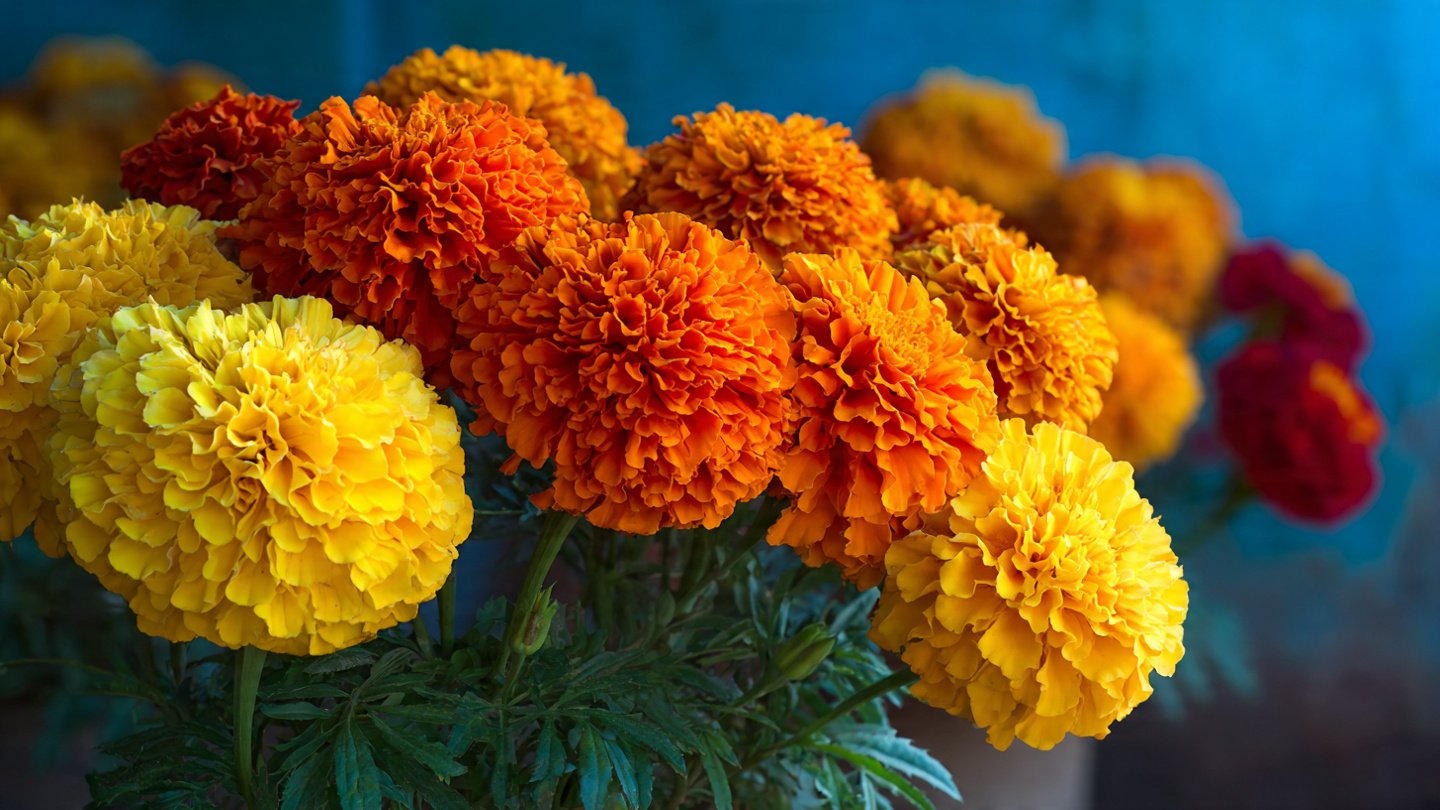
Marigolds are a favorite among gardeners due to their vibrant colors, easy maintenance, and ability to attract beneficial insects while deterring pests. With the right techniques and a little care, you can grow stunning, big marigold flowers in your home garden. This article provides actionable tips on cultivating these cheerful blooms, along with a FAQs section to address common inquiries.
1. Choosing the Right Variety
There are several types of marigolds, each with its unique characteristics. The most popular types include:
Latest Posts
- With Just 1 Bottle of Water How I Was Shocked by What Happened When Growing Vegetables
- Maximize Your Home Garden with the Hanging Pea Sprout Growing Model – Space-Saving, High-Yield, and Easy-to-Manage Vertical Gardening Solution
- Just Water – The Secret to Growing Plump, White Peanut Sprouts Right at Home: A Step-by-Step Guide for Beginners
- Growing Zucchini at Home in a Container: How to Cultivate Large, Long Fruits with a 1-to-72 Day Step-by-Step Diary for Maximum Yield
- Grow Long Beans on the Terrace in Used Recycling Baskets: The Ultimate Guide to Easy, Space-Saving, and High-Yield Terrace Gardening
- How to Grow Tons of Long Beans Easily Without a Garden – A Complete Guide to Growing Healthy Yardlong Beans Without Fertilizers or Pesticides
- Easy Long Bean Growing Trick – No Garden, No Fertilizer, No Pesticide
- Grow Bitter Melon in Bottles — Harvest So Big You Can’t Eat It All! The Ultimate Guide to Bottle Gardening for Maximum Yields
- Growing Garlic Made Easy: No Soil, Fast Results – The Ultimate Guide to Growing Fresh Garlic Indoors Without Traditional Soil
- Wall-Mounted Hydroponic Watermelon System: Grow Large, Juicy, and Delicious Watermelons at Home with Minimal Space and Maximum Yield
- French Marigolds (Tagetes patula): These are smaller but come in various colors. They tend to be bushier and are excellent for borders.
- African Marigolds (Tagetes erecta): Known for their large blooms, they can grow quite tall, making them ideal for the back of garden beds.
- Signet Marigolds (Tagetes tenuifolia): Often fragrant with smaller blooms, these are great for culinary uses as well as ornamental.
Selecting the right variety that suits your gardening space and aesthetic needs is essential for achieving big, beautiful blooms.
2. Optimal Planting Time
Marigolds are warm-season flowers. Planting them outdoors in spring, after the last frost, ensures that they thrive. For regions with a shorter growing season, starting seeds indoors 6-8 weeks before the last frost can give them a jumpstart.

3. Soil Preparation
Healthy soil is fundamental for growing big marigold flowers. Here are some key tips:
- Well-Drained Soil: Marigolds prefer well-drained soil, so consider adding sand or compost to improve drainage.
- pH Level: Aim for a soil pH between 6.0 and 7.0. You can test your soil with a pH kit and amend it if necessary.
- Organic Matter: Incorporate organic materials such as well-rotted manure or compost. These nutrients enrich the soil and create a hospitable environment for plant growth.
4. Choosing the Right Location
Marigolds love sunlight! Select a location that receives at least 6 hours of direct sunlight daily. Insufficient sunlight can lead to leggy plants with smaller blooms. A sunny spot not only encourages growth but helps to produce vibrant colors.
5. Proper Spacing
Spacing is crucial for developing big marigold flowers. Plants crowded together compete for nutrients and sunlight, leading to smaller blooms. When planting, space:
- French Marigolds: About 8–10 inches apart.
- African Marigolds: About 12–18 inches apart.

This allows air circulation and gives each plant enough room to grow large and lush.
6. Watering Practices
Watering Deeply vs. Frequently: Marigolds prefer deep, infrequent watering over shallow, frequent watering. Allowing the top inch of soil to dry between waterings encourages strong root development. In hot weather, you may need to water more frequently, but always check the soil moisture first.
- Morning Watering: It’s best to water in the morning. This allows moisture to soak into the roots and excess water to evaporate during the day, preventing fungal diseases.
7. Fertilization
Although marigolds do not require a lot of fertilizer, providing them with a boost can contribute to larger blooms:
- Balanced Fertilizer: Use a balanced fertilizer (like a 10-10-10 NPK) every 4-6 weeks.
- Timing: Apply fertilizer after the plants have established roots and show signs of growth.
8. Pest and Disease Management

While marigolds are resistant to many pests, they can still face threats. Here’s how to manage potential issues:
- Companion Planting: Plant marigolds alongside vegetables like tomatoes and peppers to naturally repel nematodes and other pests.
- Regular Inspection: Check your plants regularly for aphids, spider mites, or whiteflies. Introduce beneficial insects, like ladybugs, to combat these pests naturally.
- Fungal Diseases: Ensuring good air circulation by not overcrowding plants will help prevent fungal diseases. If you encounter mold or mildew, remove affected leaves promptly.
9. Deadheading and Pruning
To encourage more blooms and larger flowers, regularly deadhead spent marigold flowers. This practice not only keeps your plants looking tidy but also promotes new growth.
- Pruning: If plants become too leggy or bushy, lightly prune them to encourage lateral growth and fuller plants.
10. Seasonal Care
As summer wanes, marigolds will continue to flourish. However, as the temperature drops in the fall, it’s essential to provide care:
- Mulching: Apply a layer of mulch to help maintain soil moisture and temperature.
- Preparing for Frost: If frost threatens, consider covering your marigolds with cloth or bringing potted plants inside.

Conclusion
Growing big marigold flowers at home is a rewarding endeavor that enhances your garden’s aesthetic appeal and contributes to a healthier ecosystem. By following these tips, from selecting the right variety to caring for your plants throughout the seasons, you’ll be well on your way to cultivating vibrant blooms. Remember, gardening is not only about the results but about enjoying the journey as well!
FAQs
1. How much sunlight do marigolds need?
Marigolds need at least 6 hours of direct sunlight daily for optimal growth.
2. Can marigolds be grown in pots?
Yes! Marigolds adapt well to container gardening. Just ensure the pot has drainage holes and is large enough to provide adequate root space.
3. How often should I fertilize my marigolds?
Fertilize marigolds every 4-6 weeks with a balanced fertilizer once they’re established.

4. What pests are common with marigolds?
While marigolds are generally pest-resistant, they can attract aphids and spider mites. Regular monitoring and beneficial insects can help manage these pests.
5. Should I deadhead marigolds?
Yes, deadheading spent flowers encourages more blooms and keeps the plants looking tidy.
6. When should I plant marigold seeds?
Marigold seeds should be planted in spring after the last frost or started indoors 6-8 weeks before the last frost for areas with shorter growing seasons.
By understanding these aspects, you can enjoy the beautiful blooms of marigolds and create an inviting atmosphere in your garden while contributing to local ecology!