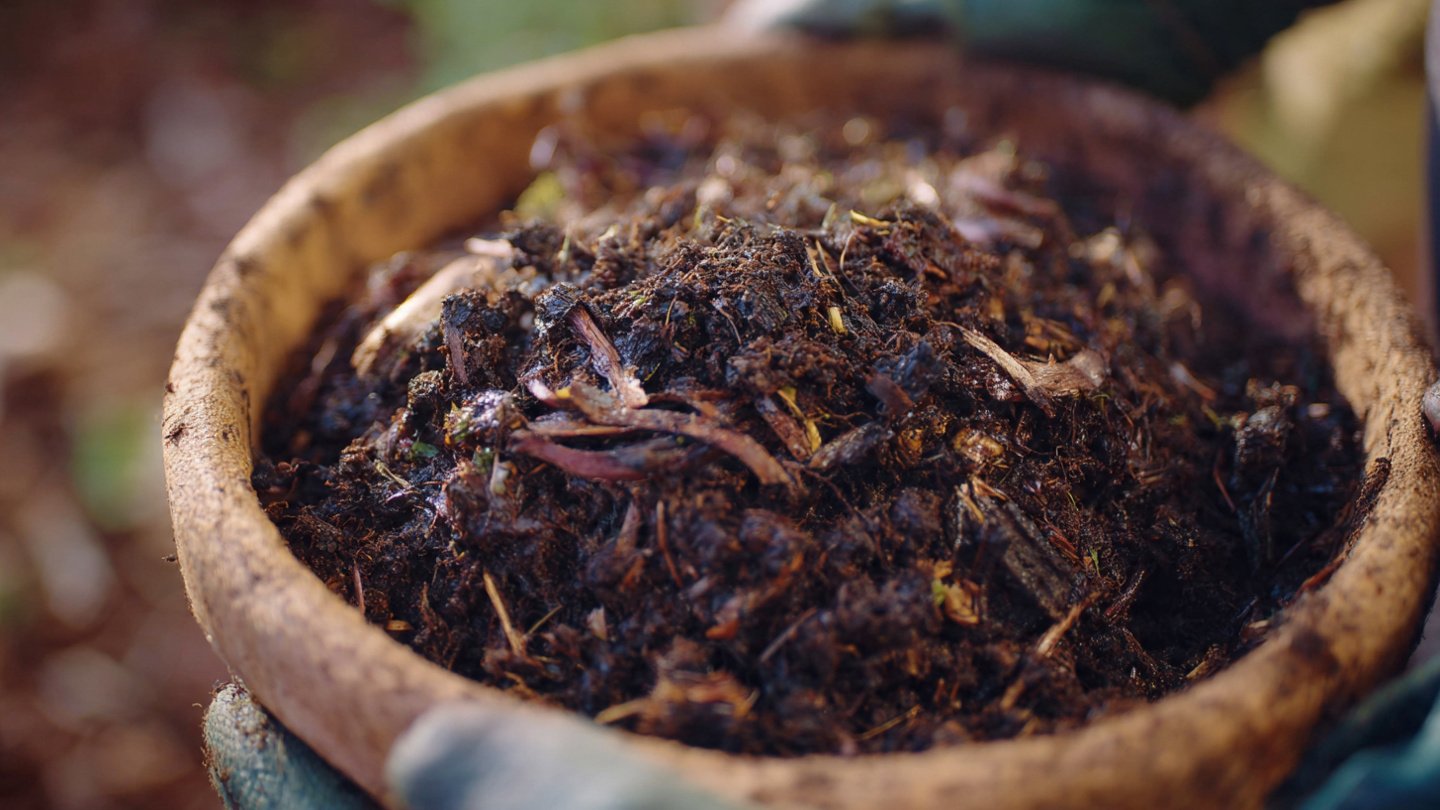
Composting is an effective way to recycle organic waste while simultaneously enriching your garden soil. With a few simple steps, you can create nutrient-rich compost in just ten days. This guide will walk you through the process, highlighting the essential materials, techniques, and methods to speed up decomposition. By the end, you’ll be well-equipped to create your own compost at home.
Why Compost?
Before diving into the process, let’s explore why composting is not just beneficial but necessary. Composting:
Latest Posts
- With Just 1 Bottle of Water How I Was Shocked by What Happened When Growing Vegetables
- Maximize Your Home Garden with the Hanging Pea Sprout Growing Model – Space-Saving, High-Yield, and Easy-to-Manage Vertical Gardening Solution
- Just Water – The Secret to Growing Plump, White Peanut Sprouts Right at Home: A Step-by-Step Guide for Beginners
- Growing Zucchini at Home in a Container: How to Cultivate Large, Long Fruits with a 1-to-72 Day Step-by-Step Diary for Maximum Yield
- Grow Long Beans on the Terrace in Used Recycling Baskets: The Ultimate Guide to Easy, Space-Saving, and High-Yield Terrace Gardening
- How to Grow Tons of Long Beans Easily Without a Garden – A Complete Guide to Growing Healthy Yardlong Beans Without Fertilizers or Pesticides
- Easy Long Bean Growing Trick – No Garden, No Fertilizer, No Pesticide
- Grow Bitter Melon in Bottles — Harvest So Big You Can’t Eat It All! The Ultimate Guide to Bottle Gardening for Maximum Yields
- Growing Garlic Made Easy: No Soil, Fast Results – The Ultimate Guide to Growing Fresh Garlic Indoors Without Traditional Soil
- Wall-Mounted Hydroponic Watermelon System: Grow Large, Juicy, and Delicious Watermelons at Home with Minimal Space and Maximum Yield
- Reduces Waste: It minimizes the amount of organic waste sent to landfills, contributing to less pollution.
- Enhances Soil Health: Compost enriches soil, improves moisture retention, and promotes healthy plant growth.
- Saves Money: By creating your own compost, you reduce the need for chemical fertilizers, which can be pricey.
- Supports Sustainable Practices: Composting encourages natural recycling processes within your ecosystem.
Step-by-Step Guide to Making Compost in Ten Days
1. Gather Your Materials
To start composting quickly, you’ll need the right materials:
- Green Materials: These are nitrogen-rich ingredients such as kitchen scraps (vegetable peels, coffee grounds, eggshells), grass clippings, and green leaves.
- Brown Materials: These are carbon-rich ingredients, including dried leaves, cardboard, newspaper, and straw.
Aim for a balanced mix of green and brown materials. A general rule of thumb is a ratio of 2:1 (green to brown).

2. Choose a Compost Bin
You can opt for several types of compost bins:
- Store-Bought Bins: These are often designed for aeration and pest control.
- Homemade Bins: Use pallets or wire mesh to create a DIY bin.
- Tumblers: Compost tumblers allow for faster mixing and quicker results.
3. Start Layering
Begin layering your materials in your bin:
- Start with a layer of coarse materials like straw or small branches to allow aeration.
- Alternate layers of green and brown materials, ensuring you maintain the 2:1 ratio.
- Each layer should be about 4-6 inches thick.
4. Maintain Aeration
Oxygen is crucial for aerobic composting:
- Aerate your compost pile every few days by turning it with a pitchfork or compost aerator.
- If using a tumbler, turn it according to the manufacturer’s instructions, usually every few days.

5. Monitor Moisture Levels
Compost needs to be moist but not soggy.
- Aim for the consistency of a damp sponge.
- If it appears too dry, add water or more green materials.
- If it’s too wet, add brown materials to absorb excess moisture.
6. Monitor Temperature
A well-balanced compost pile will heat up due to microbial activity.
- A temperature of around 130°F to 160°F is ideal for active composting.
- Use a compost thermometer to check the temperature. If it gets too hot, turn the pile to allow cooler air to mix in.
7. Add Accelerators (Optional)
If you want to speed things up further, consider adding natural compost accelerators:
- Commercial compost starters: These contain microorganisms to speed decomposition.
- High-nitrogen materials: Such as alfalfa meal or fresh manure.

8. Keep an Eye on the Process
Regularly check the contents of your compost pile:
- Look for a decreased volume and a more crumbly texture.
- High heat, moisture, and a pleasant earthy smell indicate the composting process is active and on track.
9. Harvest Your Compost
After around ten days, you should observe a decrease in volume and a dark, crumbly consistency.
- To determine if your compost is ready, check for:
- An earthy smell
- No recognizable food scraps
- A fluffy, dark appearance
When it meets these criteria, it’s ready to be harvested!
10. Use Your Compost

Once your compost is ready, it can be used in several ways:
- As a Soil Amendment: Mix compost into your garden soil to enhance its fertility.
- Mulch: Spread a layer of compost on garden beds to suppress weeds and retain moisture.
- Potting Mix: Incorporate it into potting soil for potted plants.
FAQs About Composting
Q1: Can I compost meat and dairy?
A: It’s generally not recommended because these materials can attract pests and create odors. Stick to vegetable scraps, grains, and plant-based materials.
Q2: How often should I turn my compost pile?
A: For effective composting, turn your pile every 3-5 days. This helps aerate the pile and speed up decomposition.
Q3: What if my compost pile smells bad?
A: Bad odors often indicate a lack of oxygen or an imbalance in your materials. Add more brown materials and turn the pile to introduce air.

Q4: Can I compost shredded paper?
A: Yes, shredded paper can be composted, but it should be mixed with other materials to avoid matting. Ensure it’s free of inks and chemicals.
Q5: How do I know when my compost is ready?
A: Finished compost is dark, crumbly, and smells earthy. You should no longer see recognizable original materials after a couple of weeks.
Q6: Is it necessary to buy a compost bin?
A: No, while compost bins can aid the process, you can create a compost pile in your yard or use a simple homemade container.
Q7: Can I compost weeds?
A: You can compost weeds, provided they haven’t gone to seed. To ensure they don’t propagate, make sure the compost reaches a high temperature.
Conclusion
Creating your own compost in just ten days is not only feasible but beneficial to both your garden and the environment. By following these steps, you can effectively recycle organic waste, enrich your soil, and support sustainable gardening practices. Happy composting!