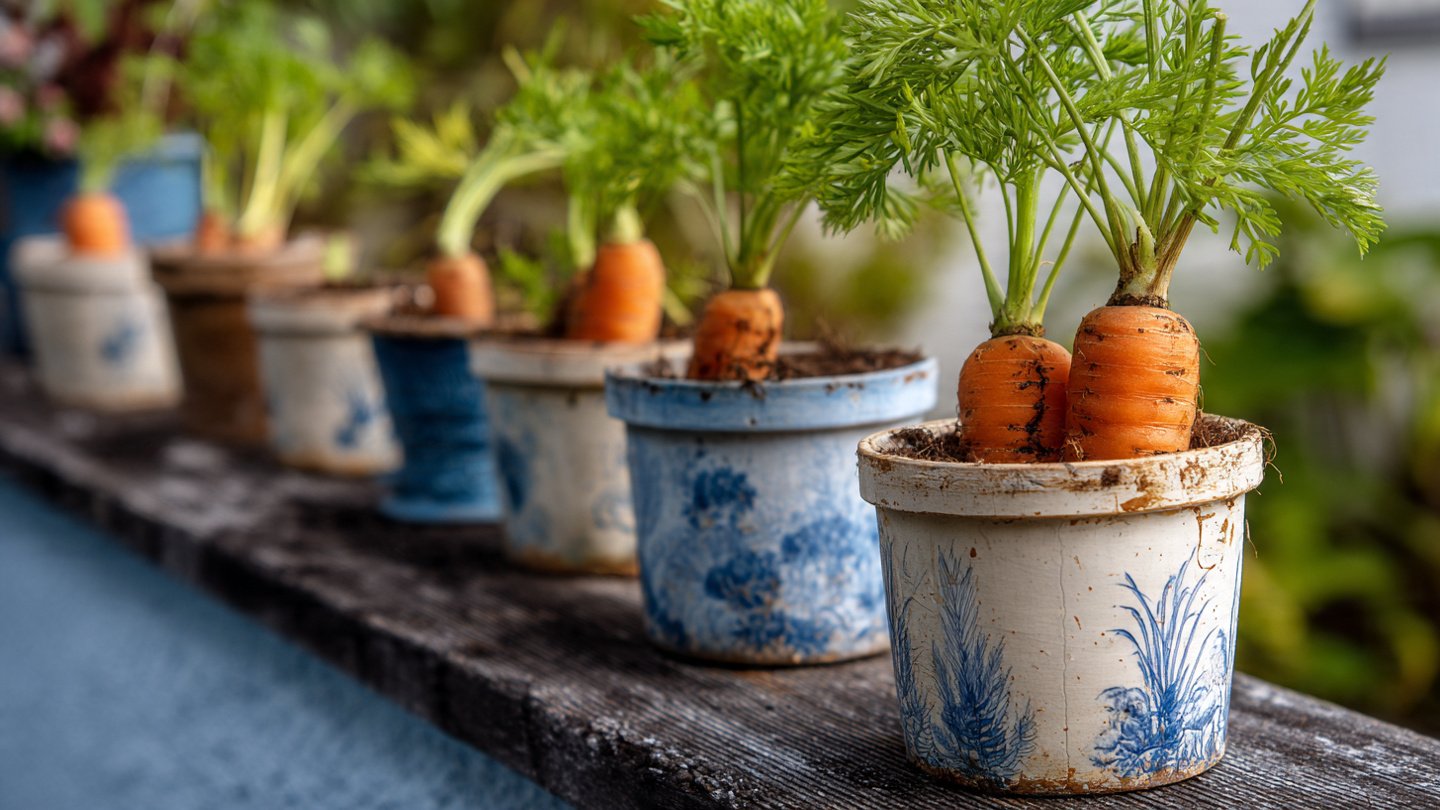
Growing carrots in pots is a fantastic way to enjoy fresh produce even if you have limited space. Whether you have a small balcony, a patio, or just a sunny windowsill, you can successfully cultivate carrots. This guide will cover everything from selecting the right pot and soil to watering and harvesting, ensuring you have everything you need to enjoy your homegrown carrots.
Why Grow Carrots in Pots?
Growing carrots in containers offers several advantages:
Latest Posts
- With Just 1 Bottle of Water How I Was Shocked by What Happened When Growing Vegetables
- Maximize Your Home Garden with the Hanging Pea Sprout Growing Model – Space-Saving, High-Yield, and Easy-to-Manage Vertical Gardening Solution
- Just Water – The Secret to Growing Plump, White Peanut Sprouts Right at Home: A Step-by-Step Guide for Beginners
- Growing Zucchini at Home in a Container: How to Cultivate Large, Long Fruits with a 1-to-72 Day Step-by-Step Diary for Maximum Yield
- Grow Long Beans on the Terrace in Used Recycling Baskets: The Ultimate Guide to Easy, Space-Saving, and High-Yield Terrace Gardening
- How to Grow Tons of Long Beans Easily Without a Garden – A Complete Guide to Growing Healthy Yardlong Beans Without Fertilizers or Pesticides
- Easy Long Bean Growing Trick – No Garden, No Fertilizer, No Pesticide
- Grow Bitter Melon in Bottles — Harvest So Big You Can’t Eat It All! The Ultimate Guide to Bottle Gardening for Maximum Yields
- Growing Garlic Made Easy: No Soil, Fast Results – The Ultimate Guide to Growing Fresh Garlic Indoors Without Traditional Soil
- Wall-Mounted Hydroponic Watermelon System: Grow Large, Juicy, and Delicious Watermelons at Home with Minimal Space and Maximum Yield
- Space Efficiency: Ideal for small living spaces.
- Control Over Soil: You can tailor the soil mixture for optimal drainage and nutrition.
- Mobility: Pots can be relocated to take advantage of sunlight or protection from harsh weather conditions.
- Less Weeding: Container gardening typically means fewer weeds to contend with.
What You’ll Need
To get started with pot-grown carrots, gather the following supplies:
- Containers: Choose deep pots (at least 12-18 inches deep) to accommodate the long taproots of carrots.
- Soil: A loose, well-draining potting mix is critical; consider adding sand or perlite for improved drainage.
- Seeds: Look for carrot varieties suited for container gardening, such as ‘Thumbelina’ for round carrots or ‘Parisian Market’ for shorter varieties.
- Watering can or hose: To keep the soil consistently moist.
- Sunlight: A location that receives at least 6-8 hours of sunlight daily.
Selecting the Right Pot
When choosing a pot, opt for breathable materials like terracotta or plastic. Ensure that the container has drainage holes to prevent waterlogging, which can cause the roots to rot. If you’re short on space, try using a window box or even a large bucket.
Soil Preparation
The right soil is essential for growing tasty carrots:
- Potting Mix: Use a high-quality potting mix that offers good aeration and drainage.
- Additives: Mix in perlite or sand to enhance drainage, making sure the mixture is crumbly and loose.
- Nutrients: Incorporate a balanced fertilizer into the soil. Look for slow-release fertilizers specifically designed for root vegetables.
Sowing Carrot Seeds
-
Timing: Plant carrots in the spring or fall when temperatures are cooler. In most climates, this means sowing seeds in April or September.
-
Planting Depth: Sow seeds about 1/4 to 1/2 inch deep. Space the seeds about 1-2 inches apart to prevent overcrowding.
-
Thinning: Once seedlings emerge and are about 2 inches tall, thin them out to maintain proper spacing. You should aim for a distance of about 3 inches between each carrot to allow ample room for growth.
Watering Your Carrots
Maintaining the right moisture level is vital:
- Frequency: Water your carrots regularly to keep the soil consistently moist but not waterlogged. Aim for at least an inch of moisture each week.
- Method: Use a gentle spray or watering can to avoid washing away the seeds or damaging the delicate seedlings.
- Signs of Overwatering: If your leaves are yellowing or wilting, or you notice mold on the soil surface, you may be overwatering.
Providing Natural Light
Carrots prefer direct sunlight, so position your pots in a location that receives 6 to 8 hours of sunlight daily. If your outdoor space lacks full sun, consider rotating your pots to catch the most light throughout the day.

Fertilizing
Every few weeks, apply a balanced liquid fertilizer to provide essential nutrients for robust growth. Follow the manufacturer’s instructions for dosage, as over-fertilizing can lead to lush foliage but fewer roots.
Pest and Disease Management
Container-grown carrots can still face challenges from pests and diseases, though on a smaller scale than in traditional gardening.
- Common Pests: Watch for aphids, carrot flies, and root maggots. Use organic insecticides or neem oil if needed.
- Disease Prevention: Maintain good air circulation and avoid overcrowding to reduce the risk of fungal diseases.
Harvesting Your Carrots
Carrots typically take about 70 to 80 days to mature, depending on the variety. Here’s how to know when it’s time to harvest:
- Size Check: Gently pull back some soil to check the diameter of the carrots. Most varieties should reach about 1/2 to 1 inch in diameter before harvesting.
- Timing: Harvest in cooler weather for the best flavor, ideally early in the morning or late in the afternoon.
- Technique: Use a trowel or fork to loosen the soil before attempting to remove the carrots gently. Pull from the top of the greens to avoid breaking the roots.
Caring for Your Carrots Post-Harvest
Once harvested, brush off excess soil and avoid washing them until you’re ready to eat, as moisture can lead to rot. Store your carrots in a cool, dark place or the refrigerator crisper to maintain their freshness.
FAQs
Q1: How deep should my pot be for carrots?
A1: Carrots require at least 12-18 inches of depth to accommodate their taproots.
Q2: Can I grow carrots indoors?
A2: Yes! As long as you have adequate light, you can grow carrots indoors in pots.
Q3: How often should I water my carrot plants?
A3: Water your carrots regularly to keep the soil consistently moist, aiming for about an inch per week.
Q4: What should I do if my carrots are not growing straight?
A4: Curved carrots often indicate compacted soil or a lack of space. Ensure you’re using loose, well-draining soil and that you have enough space between seeds.
Q5: Can I plant other vegetables alongside carrots?
A5: Yes, companion planting can benefit your garden. Good companions for carrots include onions, garlic, and leeks.
Q6: When should I expect to harvest my carrots?
A6: Carrots typically take 70-80 days to mature, depending on the variety.
Conclusion
Growing carrots in pots is a rewarding endeavor that allows anyone, regardless of space, to enjoy homegrown vegetables. With the right conditions and a little care, you’ll be on your way to enjoying delicious, crunchy carrots right from your balcony or patio. Happy gardening!