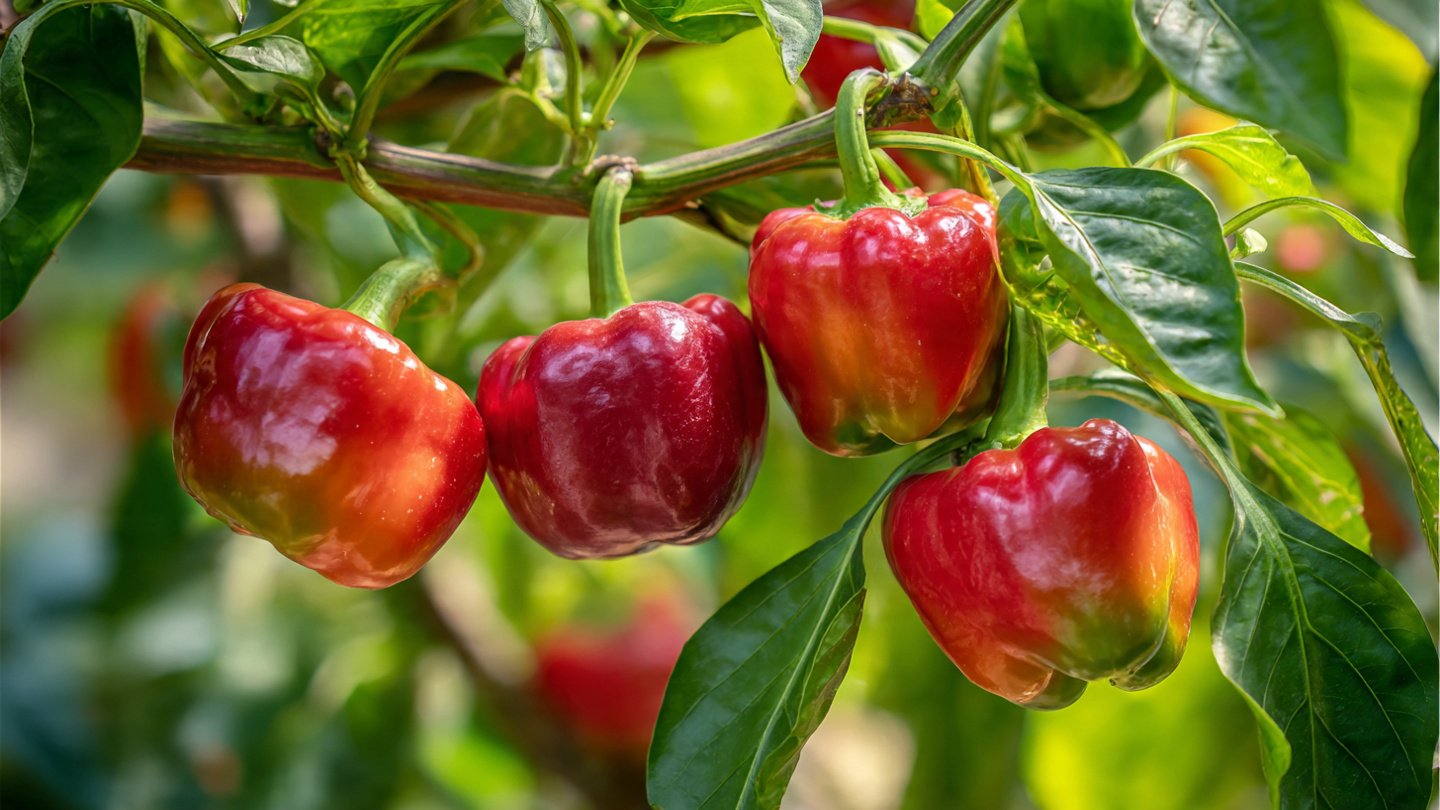
Sweet peppers, also known as bell peppers, are a colorful and delicious addition to any garden. Their sweet, succulent flesh makes them a versatile ingredient in a multitude of dishes, from salads and stir-fries to salsas and stuffed pepper recipes. Growing sweet peppers in your backyard can be a rewarding experience, allowing you to enjoy fresh produce right at your doorstep. This comprehensive guide will walk you through everything you need to know about growing perfect sweet peppers, including soil preparation, planting, care, pest management, and harvesting.
Choosing the Right Variety
The first step in growing sweet peppers is selecting the right variety for your garden. Consider the following popular options:
Latest Posts
- With Just 1 Bottle of Water How I Was Shocked by What Happened When Growing Vegetables
- Maximize Your Home Garden with the Hanging Pea Sprout Growing Model – Space-Saving, High-Yield, and Easy-to-Manage Vertical Gardening Solution
- Just Water – The Secret to Growing Plump, White Peanut Sprouts Right at Home: A Step-by-Step Guide for Beginners
- Growing Zucchini at Home in a Container: How to Cultivate Large, Long Fruits with a 1-to-72 Day Step-by-Step Diary for Maximum Yield
- Grow Long Beans on the Terrace in Used Recycling Baskets: The Ultimate Guide to Easy, Space-Saving, and High-Yield Terrace Gardening
- How to Grow Tons of Long Beans Easily Without a Garden – A Complete Guide to Growing Healthy Yardlong Beans Without Fertilizers or Pesticides
- Easy Long Bean Growing Trick – No Garden, No Fertilizer, No Pesticide
- Grow Bitter Melon in Bottles — Harvest So Big You Can’t Eat It All! The Ultimate Guide to Bottle Gardening for Maximum Yields
- Growing Garlic Made Easy: No Soil, Fast Results – The Ultimate Guide to Growing Fresh Garlic Indoors Without Traditional Soil
- Wall-Mounted Hydroponic Watermelon System: Grow Large, Juicy, and Delicious Watermelons at Home with Minimal Space and Maximum Yield
- California Wonder: A classic choice, this variety is known for its high yield and thick walls, perfect for stuffing.
- Bell Boy: A disease-resistant variety with a vibrant green color that ripens to red.
- Sweet Banana: These peppers are elongated and bright yellow when ripe, offering a unique flavor.
- Cubanelle: These peppers are slightly sweet and excellent for cooking.
When selecting your variety, consider your culinary preferences and available space, as some varieties may require more room to grow.
Soil Preparation

Sweet peppers thrive in well-drained, nutrient-rich soil with a pH level between 6.0 and 6.8. Here’s how to prepare your soil:
-
Test Your Soil: Use a home testing kit to determine the pH level and nutrient content. Based on results, amend your soil accordingly.
-
Organic Matter: Incorporate organic matter, such as compost or well-rotted manure, to improve soil structure and fertility.
-
Tilling: Loosen the soil with a garden fork or tiller to a depth of at least 12 inches. This improves aeration and drainage.
-
Fertilization: Before planting, mix in a balanced fertilizer. A formula like 10-10-10 (nitrogen, phosphorus, potassium) is ideal for promoting healthy growth.
Planting
Once the soil is prepared, it’s time to plant your sweet peppers. Follow these steps:

-
Timing: Plant sweet pepper seeds indoors about 8-10 weeks before the last expected frost. Transplant seedlings outdoors after the threat of frost has passed and when soil temperatures reach at least 65°F.
-
Seedling Preparation: Harden off seedlings by gradually exposing them to outdoor conditions over a week.
-
Spacing: When planting, space seedlings 18-24 inches apart in rows that are 24-36 inches apart. This gives each plant ample room to grow.
-
Depth: Plant seedlings at the same depth they were in their pots to avoid stem rot.
Care and Maintenance
Once your sweet peppers are in the ground, maintaining their health is crucial. Here’s how to care for your plants:
Watering
Sweet peppers require consistent moisture to develop properly. Water deeply once a week, allowing the soil to dry slightly between waterings. Avoid splashing water on the leaves, as this can lead to fungal diseases.

Mulching
Applying a 2- to 3-inch layer of organic mulch around the base of the plants helps retain soil moisture, suppresses weeds, and regulates soil temperature. Straw, shredded leaves, or grass clippings work well for this purpose.
Fertilizing
After the first six weeks of growth, fertilize your plants every four weeks with a balanced fertilizer. Monitor the leaves for signs of nutrient deficiency, such as yellowing or stunted growth.
Pruning
While not absolutely necessary, pruning can improve air circulation and sunlight exposure. Pinch off the first few flowers to encourage stronger plant growth and larger fruit development.
Pest Management
Sweet peppers are susceptible to various pests and diseases. Keeping an eye out for signs of trouble can save your crop. Common pests include:
- Aphids: These tiny insects suck sap from the plant, weakening it. Use insecticidal soap or introduce beneficial insects like ladybugs.
- Spider Mites: Often appear in dry conditions; they leave tiny webs on plants. Regular watering can help control them.
- Caterpillars: Remove them by hand or use Bt (Bacillus thuringiensis), a natural insecticide.

Regularly inspect your plants for signs of disease, such as wilting leaves or discoloration. Proper spacing and pruning improve airflow, reducing the risk of fungal infections.
Harvesting
Knowing when to harvest is key to enjoying peak flavor. Sweet peppers typically reach maturity 60-90 days after planting, depending on the variety. The ideal time to harvest is when peppers are firm and glossy, with vibrant color. However, you can pick them at any stage, from green (unripe) to red (fully ripe), each offering a distinct flavor profile.
To harvest, use pruning shears to cut the stem just above the fruit without damaging the plant. This reduces the risk of bruising and helps the plant continue producing.
FAQs
1. How much sunlight do sweet peppers need?
Sweet peppers thrive in full sunlight and require at least 6-8 hours of direct sunlight a day for optimal growth.
2. Can I grow sweet peppers in containers?
Yes, sweet peppers can be successfully grown in containers. Choose a pot that is at least 12 inches deep and wide, and ensure it has good drainage.

3. What temperature is best for growing sweet peppers?
Sweet peppers prefer warm temperatures, ideally between 65°F and 85°F. They may struggle in temperatures below 50°F.
4. How often should I water sweet peppers?
Water sweet peppers deeply about once a week. Adjust frequency based on rainfall and temperature; consistent moisture is crucial.
5. Can I save seeds from my sweet peppers for next year?
Yes, you can save seeds from fully ripe peppers. Allow the seeds to dry completely before storing them in a cool, dark place.
6. Why are my sweet peppers not turning color?
Peppers may not change color if they are harvested too early. Allow them to mature fully on the plant for the best flavor and color.
7. What are common diseases that affect sweet peppers?
Common diseases include blossom end rot, bacterial spot, and powdery mildew. Good cultural practices, such as crop rotation and proper spacing, can help prevent these issues.
By following these guidelines, you can successfully grow sweet peppers in your backyard, bringing the taste of fresh produce to your table. Happy gardening!