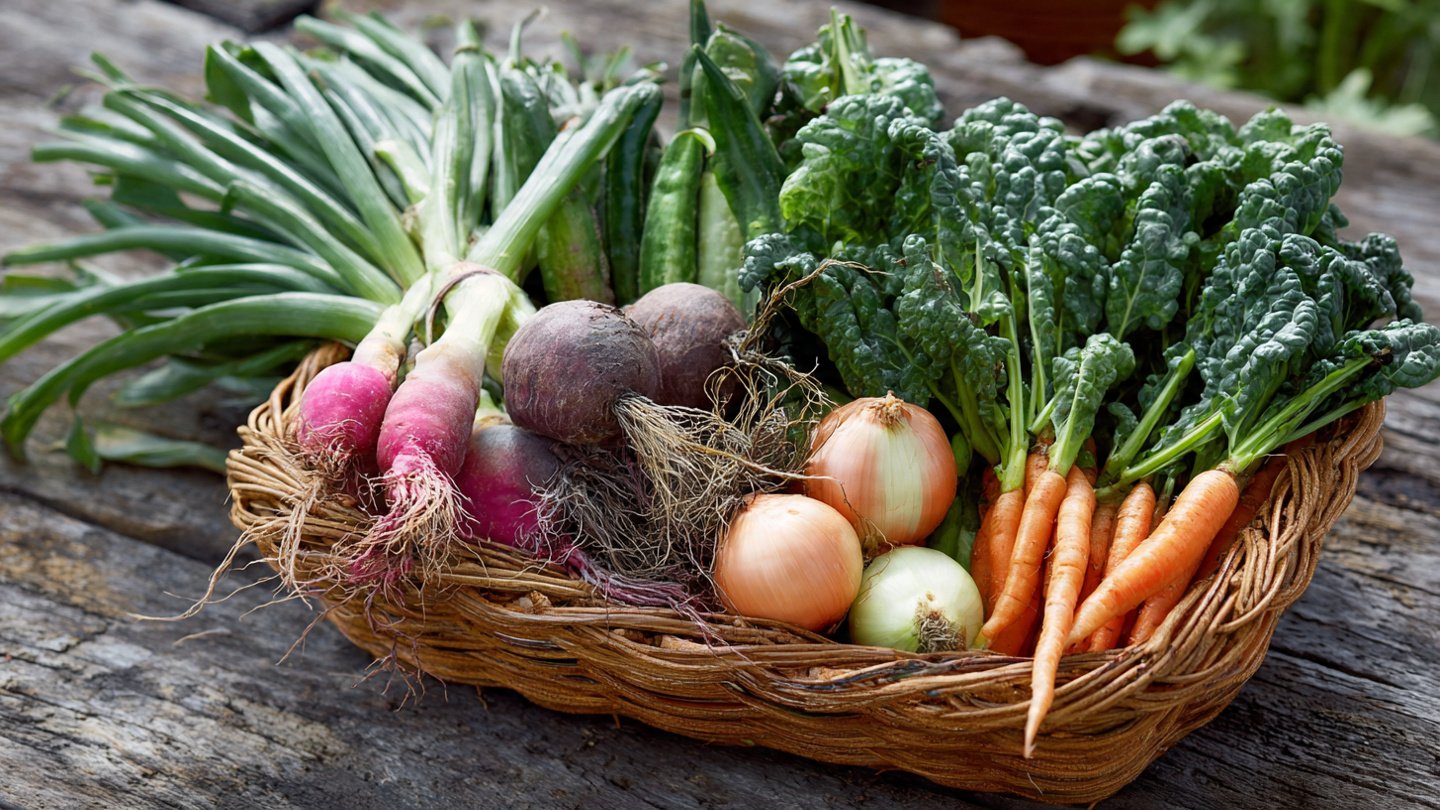
Creating a lush home garden can be incredibly rewarding, allowing for fresh produce at your fingertips. For many gardeners, one key consideration is how quickly the vegetables can grow, especially if you’re eager to enjoy your harvest. Here’s a look at nine quick-growing vegetables perfect for home gardens, along with tips on their care.
1. Radishes
Growing Time: 3-4 weeks
Radishes are one of the fastest-growing vegetables. They thrive in cooler weather, making them perfect for spring or fall planting. Radishes prefer well-drained, loose soil rich in organic matter.
Tips:
- Sow seeds directly in the garden about 1 inch apart.
- Thin seedlings to ensure enough space for growth.
- Keep the soil consistently moist.
2. Lettuce
Growing Time: 4-6 weeks
Lettuce comes in many varieties, allowing for a diverse yield. Leafy greens prefer cooler temperatures, making them ideal for spring and early fall gardens.
Tips:
- Plant seeds in rows about 12 inches apart.
- Use a shallow planting depth (1/4 to 1/2 inch).
- Harvest the outer leaves as needed to promote continued growth.
3. Spinach
Growing Time: 5-6 weeks
Spinach is a nutrient-dense leafy green that can grow rapidly, especially in cooler months. It’s a great choice for early spring or fall gardens.

Tips:
- Space seeds about 2 inches apart in well-drained, fertile soil.
- Keep soil moist but not waterlogged.
- Spinach can be harvested when the leaves are large enough to eat.
4. Green Beans
Growing Time: 6-8 weeks
Green beans, particularly bush varieties, can yield a quick harvest. They grow vigorously and require minimal space, making them great for small gardens or container planting.
Latest Posts
- With Just 1 Bottle of Water How I Was Shocked by What Happened When Growing Vegetables
- Maximize Your Home Garden with the Hanging Pea Sprout Growing Model – Space-Saving, High-Yield, and Easy-to-Manage Vertical Gardening Solution
- Just Water – The Secret to Growing Plump, White Peanut Sprouts Right at Home: A Step-by-Step Guide for Beginners
- Growing Zucchini at Home in a Container: How to Cultivate Large, Long Fruits with a 1-to-72 Day Step-by-Step Diary for Maximum Yield
- Grow Long Beans on the Terrace in Used Recycling Baskets: The Ultimate Guide to Easy, Space-Saving, and High-Yield Terrace Gardening
- How to Grow Tons of Long Beans Easily Without a Garden – A Complete Guide to Growing Healthy Yardlong Beans Without Fertilizers or Pesticides
- Easy Long Bean Growing Trick – No Garden, No Fertilizer, No Pesticide
- Grow Bitter Melon in Bottles — Harvest So Big You Can’t Eat It All! The Ultimate Guide to Bottle Gardening for Maximum Yields
- Growing Garlic Made Easy: No Soil, Fast Results – The Ultimate Guide to Growing Fresh Garlic Indoors Without Traditional Soil
- Wall-Mounted Hydroponic Watermelon System: Grow Large, Juicy, and Delicious Watermelons at Home with Minimal Space and Maximum Yield
Tips:
- Sow directly into the ground or containers after the last frost.
- Ensure they have support if growing pole varieties.
- Regular harvesting encourages further production.
5. Zucchini
Growing Time: 6-8 weeks
Zucchini is a prolific producer, often yielding abundant fruits quickly. It grows well in warm weather and does best with full sun.
Tips:
- Space seeds about 24 inches apart in fertile, well-draining soil.
- Regularly check for pests and diseases, as zucchini can be susceptible.
- Harvest when zucchinis are about 6-8 inches long for the best flavor.
6. Cucumbers
Growing Time: 50-70 days
Cucumbers can grow quickly, especially in warm conditions. Both slicing and pickling varieties can be grown in home gardens.
Tips:
- Plant seeds when the soil temperature is above 60°F.
- Provide a trellis for climbing varieties to save space.
- Water regularly and mulch to maintain moisture.
7. Beets
Growing Time: 7-8 weeks
Beets are versatile and quick-growing root vegetables that thrive in cool weather. They can be eaten raw, cooked, or pickled.

Tips:
- Sow seeds about 1 inch apart and thin seedlings to 3-4 inches once they emerge.
- Be mindful of their growth both above and below ground.
- Harvest when the roots are about 2-3 inches in diameter.
8. Peas
Growing Time: 60-70 days
Peas are a delicious addition to any home garden. They are best grown in early spring and are enriched with protein and fiber.
Tips:
- Plant seeds in well-drained soil about 1 inch deep.
- Provide support for climbing varieties.
- Regularly harvest pods at their peak to encourage further growth.
9. Swiss Chard
Growing Time: 6-8 weeks
Swiss chard is a hardy, colorful veggie that grows quickly and can be harvested multiple times. Its vibrant stems add visual appeal to gardens.
Tips:
- Space seeds about 6 inches apart in fertile soil.
- Keep soil consistently moist and mulch around plants.
- Harvest outer leaves regularly, allowing inner leaves to continue growing.
FAQs
1. What is the easiest vegetable to grow for beginners?
Lettuce and radishes are often considered the easiest vegetables to grow for beginners due to their short growing times and minimal care needs.
2. When is the best time to plant these vegetables?
Most of the vegetables listed are best planted in the spring or early fall, depending on your local climate. Many prefer cooler temperatures to thrive.

3. How can I ensure a successful harvest?
Ensure you use rich, well-draining soil, keep plants well-watered, and provide adequate sunlight. Regularly check for pests and diseases.
4. Can I grow these vegetables in containers?
Yes! Many of these vegetables, like lettuce, radishes, and cucumbers, can be successfully grown in containers. Just ensure the container has sufficient drainage and is large enough to accommodate the plants’ growth.
5. How often should I water my garden?
Most vegetables prefer consistently moist soil. Water deeply about once a week, increasing frequency during hot weather. It is essential to avoid waterlogging.
6. Are there any pests I should be wary of?
Common pests include aphids, slugs, and beetles. Regular inspection and organic pest control methods, such as neem oil or insecticidal soap, can help keep your garden healthy.

7. How do I know when to harvest?
Most vegetables can be harvested when they reach a mature size and color. For leafy greens, they can often be harvested when they are large enough to eat. For root vegetables, check the size by gently digging around the base.
8. Can I grow these vegetables year-round?
In mild climates, many of these vegetables can be grown year-round. In colder regions, consider using cold frames or greenhouses during winter.
Conclusion
Starting a home garden can be an enjoyable way to grow fresh produce while connecting with nature. The nine vegetables listed here are not only quick to grow but also provide diverse options for your meals. With a little planning and care, you can enjoy the harvest in no time! Happy gardening!
