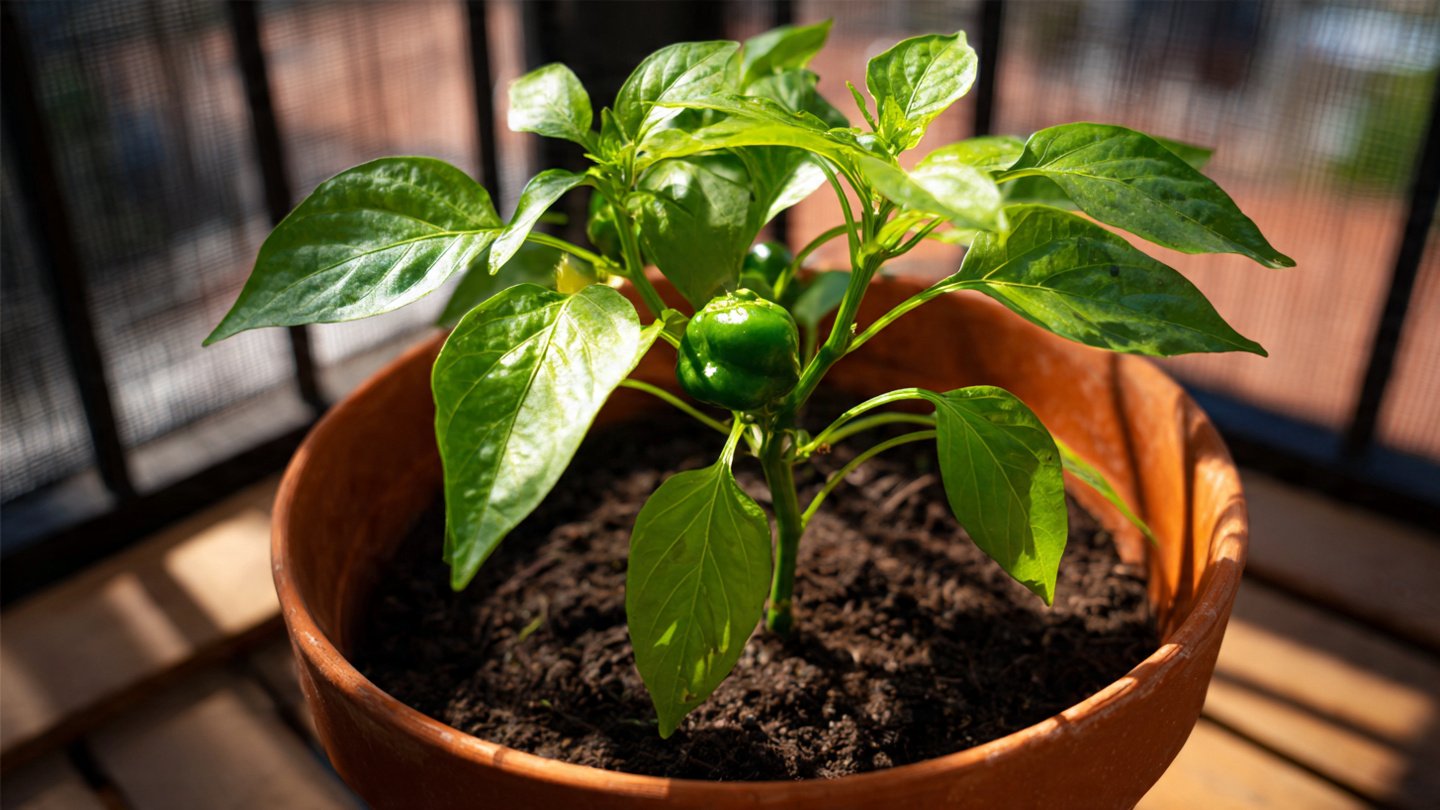
Growing bell peppers in pots is an excellent solution for urban gardeners or those with limited space. They’re versatile, tasty, and can thrive in containers as long as specific growing conditions are met. Whether you are a seasoned gardener or a beginner, this guide will provide you with all the tips you need to successfully grow bell peppers in pots.
Choosing the Right Container
- With Just 1 Bottle of Water How I Was Shocked by What Happened When Growing Vegetables
- Maximize Your Home Garden with the Hanging Pea Sprout Growing Model – Space-Saving, High-Yield, and Easy-to-Manage Vertical Gardening Solution
- Just Water – The Secret to Growing Plump, White Peanut Sprouts Right at Home: A Step-by-Step Guide for Beginners
- Growing Zucchini at Home in a Container: How to Cultivate Large, Long Fruits with a 1-to-72 Day Step-by-Step Diary for Maximum Yield
- Grow Long Beans on the Terrace in Used Recycling Baskets: The Ultimate Guide to Easy, Space-Saving, and High-Yield Terrace Gardening
- How to Grow Tons of Long Beans Easily Without a Garden – A Complete Guide to Growing Healthy Yardlong Beans Without Fertilizers or Pesticides
- Easy Long Bean Growing Trick – No Garden, No Fertilizer, No Pesticide
- Grow Bitter Melon in Bottles — Harvest So Big You Can’t Eat It All! The Ultimate Guide to Bottle Gardening for Maximum Yields
- Growing Garlic Made Easy: No Soil, Fast Results – The Ultimate Guide to Growing Fresh Garlic Indoors Without Traditional Soil
- Wall-Mounted Hydroponic Watermelon System: Grow Large, Juicy, and Delicious Watermelons at Home with Minimal Space and Maximum Yield
-
Size Matters: The size of your pot is crucial. Bell peppers prefer at least a 5-gallon (19-liter) container to grow healthy roots and yield a good crop. Larger pots provide stability and adequate space for roots to expand.
-
Material: Choose pots made of ceramic, plastic, or metal. Ensure they have drainage holes at the bottom to prevent waterlogging, which can lead to root rot.
-
Mobility: Consider using containers with wheels if you live in a regions with changing weather conditions. This allows you to move your plants to optimal sunlight or shelter during storms.
Latest Posts
Selecting the Right Soil
-
Quality Potting Mix: Use a high-quality potting mix that is lightweight and well-draining. Avoid garden soil since it can compact in pots and stifle growth.
-
pH Level: Aim for a soil pH between 6.0 and 6.8. You can test your soil’s pH using a simple kit from your local garden center.
-
Nutrients: Amending your soil with organic compost can help provide essential nutrients that bell peppers need during their growth.
Choosing the Right Varieties
-
Short-Season Varieties: If you have a shorter growing season, opt for varieties that mature quickly. Examples include ‘Mini Belle’, ‘Carmen’, and ‘Early Bell’.
-
Heirloom vs. Hybrid: Heirloom peppers have excellent flavors but may be more susceptible to diseases. Hybrid varieties often provide better yields and are more resilient.
-
Color Preference: Bell peppers come in various colors. Green peppers are immature but crisp, while red, yellow, and orange peppers are fully ripened and sweeter.
Watering Techniques
-
Consistent Watering: Bell peppers require regular and even watering—aim for about 1 to 1.5 inches per week. Container plants can dry out quickly, especially in hot weather.
-
Watering Method: Water deeply but infrequently to encourage deep root growth. Avoid letting the soil dry out completely or become soggy.
-
Mulching: Adding a layer of organic mulch on the top of the soil can help retain moisture and regulate soil temperature.
Fertilizing Your Peppers
-
Balanced Fertilizer: Use a balanced fertilizer with an N-P-K ratio of around 5-10-10 to promote strong root development and fruiting.
-
Feeding Schedule: Start fertilizing your bell peppers about six weeks after transplanting. Feed every three weeks throughout the growing season.
-
Organic Options: If you prefer organic methods, you can use fish emulsion, worm castings, or compost tea to nourish your plants.
Ensuring Optimal Lighting Conditions
-
Sunlight Requirements: Bell peppers thrive in full sun, so choose a location that receives at least 6-8 hours of direct sunlight each day.
-
Artificial Light: If growing indoors, consider supplemental grow lights to ensure adequate light exposure, especially during the winter months.
-
Rotation: Periodically rotate your pots to ensure even growth, as some sides may receive more sunlight than others.
Pest and Disease Management
-
Common Pests: Watch for aphids, spider mites, and whiteflies. You can use insecticidal soap or neem oil as an organic solution to mitigate infestations.
-
Diseases: Fungal diseases such as powdery mildew can occur in humid conditions. Ensure good air circulation around your plants and avoid overhead watering.
-
Preventative Measures: Regularly inspect your plants for signs of stress or disease, and implement companion planting strategies to deter pests naturally.
Harvesting Your Bell Peppers
-
When to Harvest: Bell peppers can be picked at any size, but they will be the sweetest if allowed to ripen fully on the plant. Typically, this is when they are a vibrant color.
-
Cutting for Harvest: Use a sharp knife or pruning shears to slice the stem, rather than pulling the fruit, to avoid damaging the plant.
-
Frequency of Harvest: Regular harvesting of ripe peppers encourages the plant to continue producing throughout the growing season.
Caring for Your Bell Peppers
-
Pruning: Pruning is not always necessary, but removing any yellowing leaves or suckers can help focus the plant’s energy on fruit production.
-
Staking: If your bell peppers grow tall or produce heavy fruit, consider staking them for support, as this can prevent breakage.
-
Temperature Monitoring: Bell peppers prefer warm conditions (70-85°F or 21-29°C). If nighttime temperatures dip below 60°F (16°C), consider bringing pots indoors or covering them.
FAQs
1. How long does it take for bell peppers to grow in pots?
Bell peppers typically take about 60 to 90 days to mature from transplanting to harvest, depending on the variety.
2. Can I grow bell peppers indoors?
Yes, bell peppers can be grown indoors as long as they receive enough sunlight (at least six hours a day) or are supplemented with grow lights.
3. What is the best time to plant bell peppers in pots?
Plant bell peppers outdoors after all frost danger has passed and the soil temperature is at least 65°F (18°C).
4. How do I prevent my bell peppers from falling off the plant?
Proper watering, fertilization, and ensuring the plant is not stressed by extreme temperatures will help prevent fruit drop.
5. Are bell peppers self-pollinating?
Yes, bell peppers are self-pollinating, but you can help improve yields by gently shaking the plants or using a small brush to distribute pollen between flowers.
6. Do bell peppers need to be staked?
While not always necessary, tall varieties may benefit from staking to support the weight of the fruit.
Conclusion
Growing bell peppers in pots is both rewarding and manageable if the right conditions are provided. By paying attention to container size, soil quality, watering practices, and other crucial factors, you can enjoy homegrown bell peppers right from your patio, balcony, or backyard. Happy gardening!