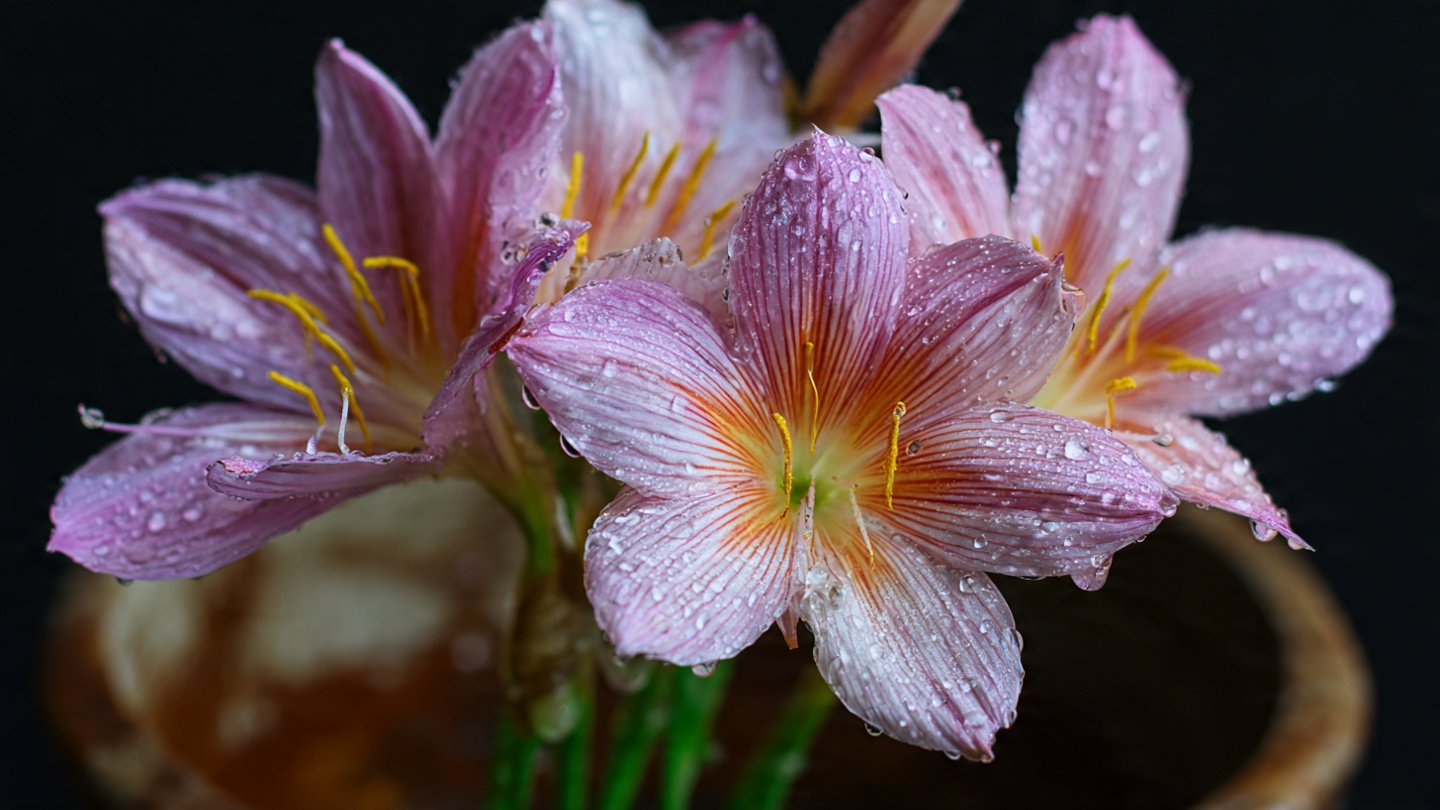
Growing rain lilies (Zephryanthes spp.) can be a delightful addition to any garden. These charming flowers, known for their vibrant blooms and easy-care nature, bring a burst of color to your landscape. Whether you’re a seasoned gardener or a novice, growing rain lilies from seeds at home can be an enjoyable project. In this article, we’ll guide you through the steps to successfully grow rain lilies from seeds and address some frequently asked questions.
Understanding Rain Lilies
Rain lilies are perennial bulbs, native to the Americas, and bloom after rain showers or when watered. The flowers are typically funnel-shaped and come in various colors, including white, pink, and yellow. The unique aspect of rain lilies is that they can bloom sporadically, creating an enchanting surprise in your garden.
Latest Posts
- With Just 1 Bottle of Water How I Was Shocked by What Happened When Growing Vegetables
- Maximize Your Home Garden with the Hanging Pea Sprout Growing Model – Space-Saving, High-Yield, and Easy-to-Manage Vertical Gardening Solution
- Just Water – The Secret to Growing Plump, White Peanut Sprouts Right at Home: A Step-by-Step Guide for Beginners
- Growing Zucchini at Home in a Container: How to Cultivate Large, Long Fruits with a 1-to-72 Day Step-by-Step Diary for Maximum Yield
- Grow Long Beans on the Terrace in Used Recycling Baskets: The Ultimate Guide to Easy, Space-Saving, and High-Yield Terrace Gardening
- How to Grow Tons of Long Beans Easily Without a Garden – A Complete Guide to Growing Healthy Yardlong Beans Without Fertilizers or Pesticides
- Easy Long Bean Growing Trick – No Garden, No Fertilizer, No Pesticide
- Grow Bitter Melon in Bottles — Harvest So Big You Can’t Eat It All! The Ultimate Guide to Bottle Gardening for Maximum Yields
- Growing Garlic Made Easy: No Soil, Fast Results – The Ultimate Guide to Growing Fresh Garlic Indoors Without Traditional Soil
- Wall-Mounted Hydroponic Watermelon System: Grow Large, Juicy, and Delicious Watermelons at Home with Minimal Space and Maximum Yield
Choosing the Right Seeds
When selecting rain lily seeds, consider the specific species you want to grow. Some popular options include:
- Zephyranthes candida: Commonly known as the white rain lily, it features large, white flowers.
- Zephyranthes labuffarosa: Known as the pink rain lily, it produces delicate pink blooms.
- Zephyranthes dichotoma: This variant often showcases yellow flowers.
Purchase high-quality seeds from a reputable supplier to ensure good germination rates and vibrant blooms.
Preparing for Planting

1. Timing
The ideal time to plant rain lily seeds is during the spring months, ideally after the last frost date in your area. This allows the seeds to benefit from the warm soil temperatures, promoting germination.
2. Choosing the Right Container
Select containers that have drain holes to prevent waterlogging. Seed trays or small pots work well. If you’re planting several seeds, consider using a seed tray to maximize space.
3. Soil Preparation
Rain lilies thrive in well-draining soil. A mix that includes peat moss, perlite, and coarse sand is ideal. The pH level should be slightly acidic to neutral (6.0 to 7.0). Here’s a simple recipe:
- 1 part peat moss
- 1 part perlite
- 1 part coarse sand
Mix these components thoroughly to create a loose, well-aerated soil mix.
Planting Seeds

Step-by-step Process
-
Moisten the Soil: Before planting, moisten the soil mix. It should be damp but not soggy.
-
Sow the Seeds: Place the seeds on the surface of the soil, spacing them about 2 inches apart. Lightly press them into the soil, ensuring they are not buried too deep.
-
Covering the Seeds: Lightly sprinkle a thin layer of soil over the seeds. This layer should be no more than ¼ inch thick, as rain lily seeds require light for optimal germination.
-
Watering: Gently mist the soil with water, ensuring it is evenly moist without creating puddles.
Creating Optimal Conditions
After planting, place the container in a location that receives bright, indirect sunlight. Direct sunlight can be too harsh for young seedlings. Maintaining a warm environment with temperatures between 65°F and 75°F (18°C to 24°C) is crucial for germination.
Germination and Care
Germination Time
Rain lily seeds typically germinate within 2 to 4 weeks. During this period, ensure that the soil remains consistently moist. Using a humidity dome or plastic wrap can help retain moisture; just remember to ventilate regularly to prevent mold.

Thinning Seedlings
Once the seedlings reach about 2 inches in height and have developed a few true leaves, thin them out. Remove the weaker seedlings to give the stronger ones the necessary space to grow. Aim to keep them about 4 to 6 inches apart for optimal air circulation and growth.
Transplanting Seedlings
When the seedlings develop a second set of true leaves and are large enough to handle, it’s time to transplant them to larger pots or directly into your garden. If transplanting outdoors, wait until the threat of frost is gone. Choose a sunny spot in the garden with well-draining soil.
Ongoing Care
Watering
Rain lilies prefer to dry out between watering sessions. Water them thoroughly, allowing excess water to drain, then allow the soil to dry before the next watering. This mimics their natural habitat, as they are adapted to survive dry spells.
Fertilization
Feed your rain lilies with a balanced, water-soluble fertilizer once a month during the growing season. This promotes healthy growth and vibrant blooms.
Pest and Disease Management
Keep an eye out for pests such as aphids or spider mites. If infestations occur, use insecticidal soap or neem oil as a natural treatment. Ensure proper air circulation to prevent fungal diseases.
Flowering and Enjoying
Once established, rain lilies will typically bloom in the late summer or autumn. The flowers will open dramatically after rain or watering, providing a stunning display. Regular deadheading of spent blooms encourages further flowering.
FAQs
1. How long does it take for rain lily seeds to bloom?
It usually takes about 2 to 3 months after planting for rain lilies to begin blooming, depending on growing conditions.
2. Can I grow rain lilies indoors?
Yes, rain lilies can be grown indoors. Ensure they receive bright, indirect light and maintain adequate warmth.
3. What is the best way to store rain lily seeds?
Store rain lily seeds in a cool, dry place in an airtight container to maintain their viability until you’re ready to plant.
4. Do rain lilies require full sun?
Rain lilies thrive in full sun to partial shade. Aim for at least 4 to 6 hours of direct sunlight each day for optimal growth.
5. Can rain lilies survive in colder climates?
While rain lilies are resilient, they may struggle in harsh winters. In colder climates, consider planting them in pots that can be moved indoors during winter.
6. How do I encourage more blooms?
Consistent watering, proper fertilization, and regular deadheading of spent flowers will encourage more blooms throughout the growing season.
7. Are rain lilies toxic to pets?
Rain lilies are generally considered non-toxic to pets, making them a safer choice for homes with animals.
Conclusion
Growing rain lilies from seeds can be a gratifying gardening experience. With their beautiful flowers and adaptability, they can brighten any outdoor or indoor space. Follow the steps outlined in this guide, and soon you’ll enjoy the delightful blooms of your very own rain lilies. Happy gardening!