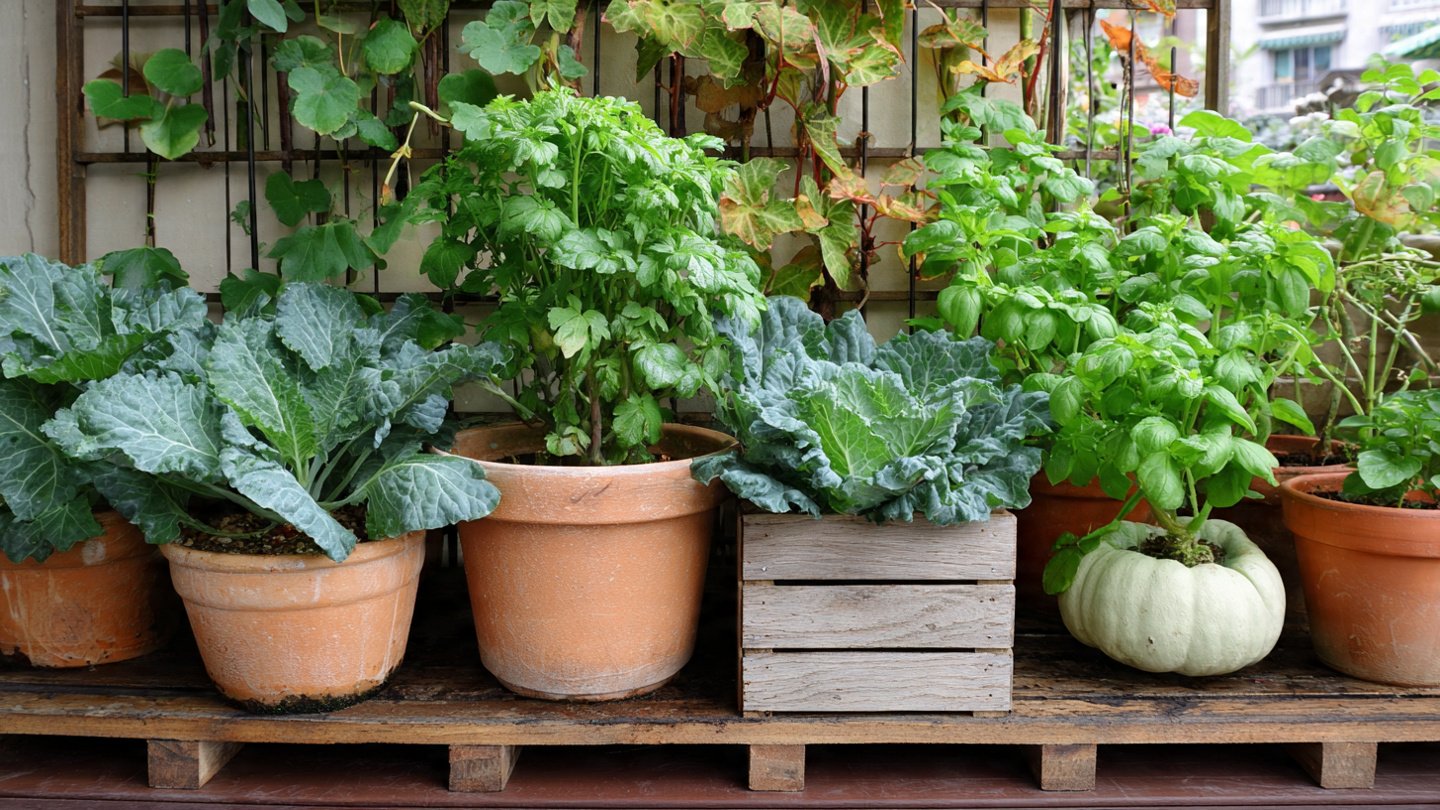
Gardening can seem daunting, especially for beginners or those with limited outdoor space. However, container gardening is a practical solution that allows anyone to grow their own vegetables without the need for a sprawling backyard. Container gardening is not only accessible but also allows for versatility in design and ease of maintenance. Below, we explore ten easy vegetables that can thrive in containers, making it simple for anyone to cultivate a vibrant garden at home.
1. Tomatoes
Tomatoes are a classic choice for container gardening. They come in several varieties, including cherry, grape, and larger beefsteak types.
Latest Posts
- With Just 1 Bottle of Water How I Was Shocked by What Happened When Growing Vegetables
- Maximize Your Home Garden with the Hanging Pea Sprout Growing Model – Space-Saving, High-Yield, and Easy-to-Manage Vertical Gardening Solution
- Just Water – The Secret to Growing Plump, White Peanut Sprouts Right at Home: A Step-by-Step Guide for Beginners
- Growing Zucchini at Home in a Container: How to Cultivate Large, Long Fruits with a 1-to-72 Day Step-by-Step Diary for Maximum Yield
- Grow Long Beans on the Terrace in Used Recycling Baskets: The Ultimate Guide to Easy, Space-Saving, and High-Yield Terrace Gardening
- How to Grow Tons of Long Beans Easily Without a Garden – A Complete Guide to Growing Healthy Yardlong Beans Without Fertilizers or Pesticides
- Easy Long Bean Growing Trick – No Garden, No Fertilizer, No Pesticide
- Grow Bitter Melon in Bottles — Harvest So Big You Can’t Eat It All! The Ultimate Guide to Bottle Gardening for Maximum Yields
- Growing Garlic Made Easy: No Soil, Fast Results – The Ultimate Guide to Growing Fresh Garlic Indoors Without Traditional Soil
- Wall-Mounted Hydroponic Watermelon System: Grow Large, Juicy, and Delicious Watermelons at Home with Minimal Space and Maximum Yield
Tips:
- Container Size: Use a pot that is at least 5 gallons for larger varieties and 2-3 gallons for smaller ones.
- Sunlight: Tomatoes require 6-8 hours of sunlight daily.
- Support: Use stakes or cages to support the plants as they grow.
2. Lettuce
Lettuce is a fast-growing crop perfect for container gardening. It can be sown in small pots or larger planters, and you can grow various types, such as romaine, butterhead, or leaf lettuce.
Tips:
- Soil Depth: Containers should be at least 6 inches deep.
- Spacing: Plant seeds or transplants about 4-6 inches apart.
- Harvesting: Pick the outer leaves and leave the center to continue growing.
3. Radishes
Radishes are one of the quickest vegetables to grow, often ready to harvest within three to four weeks. Their small size makes them ideal for containers.
Tips:
- Container Size: A pot of at least 6-8 inches deep will work well.
- Soil: Use loose, well-draining soil.
- Planting: Sow the seeds directly into the container, spacing them 1-2 inches apart.
4. Herbs
While not strictly vegetables, herbs are essential in any kitchen garden. Common herbs such as basil, parsley, and cilantro thrive in containers and can be used fresh in your cooking.
Tips:
- Container: Opt for smaller pots (4-6 inches in diameter) for individual herbs or a larger one for multiple varieties.
- Water: Keep the soil moist but not soggy.
- Pruning: Regularly trim herbs to encourage growth.
5. Peppers
Both sweet and hot peppers are well-suited for container gardening. They add color to your garden and can be harvested throughout the summer.
Tips:
- Container Size: Use a 3-5 gallon pot for best results.
- Sunlight: They thrive in full sun, ideally 6-8 hours per day.
- Watering: Ensure consistent watering, especially during hot weather.
6. Green Beans
Green beans are vigorous growers and can yield significant harvests in a small space. They can be grown in upright containers or hanging baskets.
Tips:
- Container Size: A pot that’s at least 12 inches deep is ideal.
- Support: Use a trellis for climbing varieties.
- Harvesting: Pick beans regularly to encourage continued production.
7. Spinach
Spinach is a nutritious leafy green that grows well in containers. It thrives in cooler weather and can be grown sequentially for multiple harvests.
Tips:
- Container Depth: 6-8 inches is sufficient.
- Soil: Use well-draining potting soil.
- Temperature: Best grown in spring and fall to avoid heat stress.
8. Carrots
Carrots can be surprisingly easy to grow in containers, especially short varieties like ‘Baby Nantes.’ They require minimal space and care.
Tips:
- Container Size: Use Deep containers, at least 12 inches in depth for proper root development.
- Sowing: Directly sow seeds in the container, spacing them 2 inches apart.
- Thinning: Thin plants to avoid overcrowding.
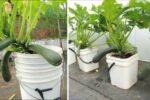
9. Zucchini
Zucchini is a productive plant that works well in large containers. One plant can produce a notable quantity of fruit.
Tips:
- Container Size: A 5-gallon bucket or larger is suitable.
- Sunlight: Requires full sun (6-8 hours).
- Spacing: Leave enough space for the plant to spread (ensure at least 2 feet of space around the plant).
10. Radicchio
Radicchio adds a unique colorful touch to your container garden. It’s a beautiful and tasty addition to salads and is relatively simple to grow.
Tips:
- Container Size: A pot at least 10 inches deep is best.
- Soil: Choose nutrient-rich, well-draining potting mix.
- Harvesting: Minimize stress on the plant by picking outer leaves as needed.
Conclusion
Container gardening is a feasible and rewarding way to grow your own vegetables at home. With the right vegetables, even limited space can become a flourishing garden. Whether you have a balcony, porch, or even a small kitchen window, there’s potential for growing fresh, nutritious produce. As you cultivate your green thumb, you’ll discover the joys of gardening and savor the flavors of homegrown food.
Frequently Asked Questions (FAQs)
1. What type of soil should I use for container gardening?
Use high-quality potting soil that contains organic matter and provides good drainage. Avoid using garden soil, as it can become too compacted in containers.
2. How often should I water my container plants?
Container plants typically dry out more quickly than those in the ground. Water them regularly, ensuring the soil is moist but not soggy. Check daily, especially in warm weather.
3. Can I grow vegetables indoors?
Yes! Many vegetables and herbs can thrive indoors if they receive enough sunlight. South-facing windows are ideal, and you might consider using grow lights if natural sunlight is insufficient.
4. Do I need to fertilize my container plants?
Yes, container plants often need regular fertilization since nutrients can wash out of the soil with watering. Use a balanced, water-soluble fertilizer every couple of weeks during the growing season.
5. How do I prevent pests in my container garden?
Keep a close eye on your plants for signs of pests. You can use organic insecticidal soap or neem oil as preventative measures. Encouraging beneficial insects, like ladybugs, can also help control pests.
By following these tips, you’ll set yourself up for a successful and enjoyable container gardening experience!