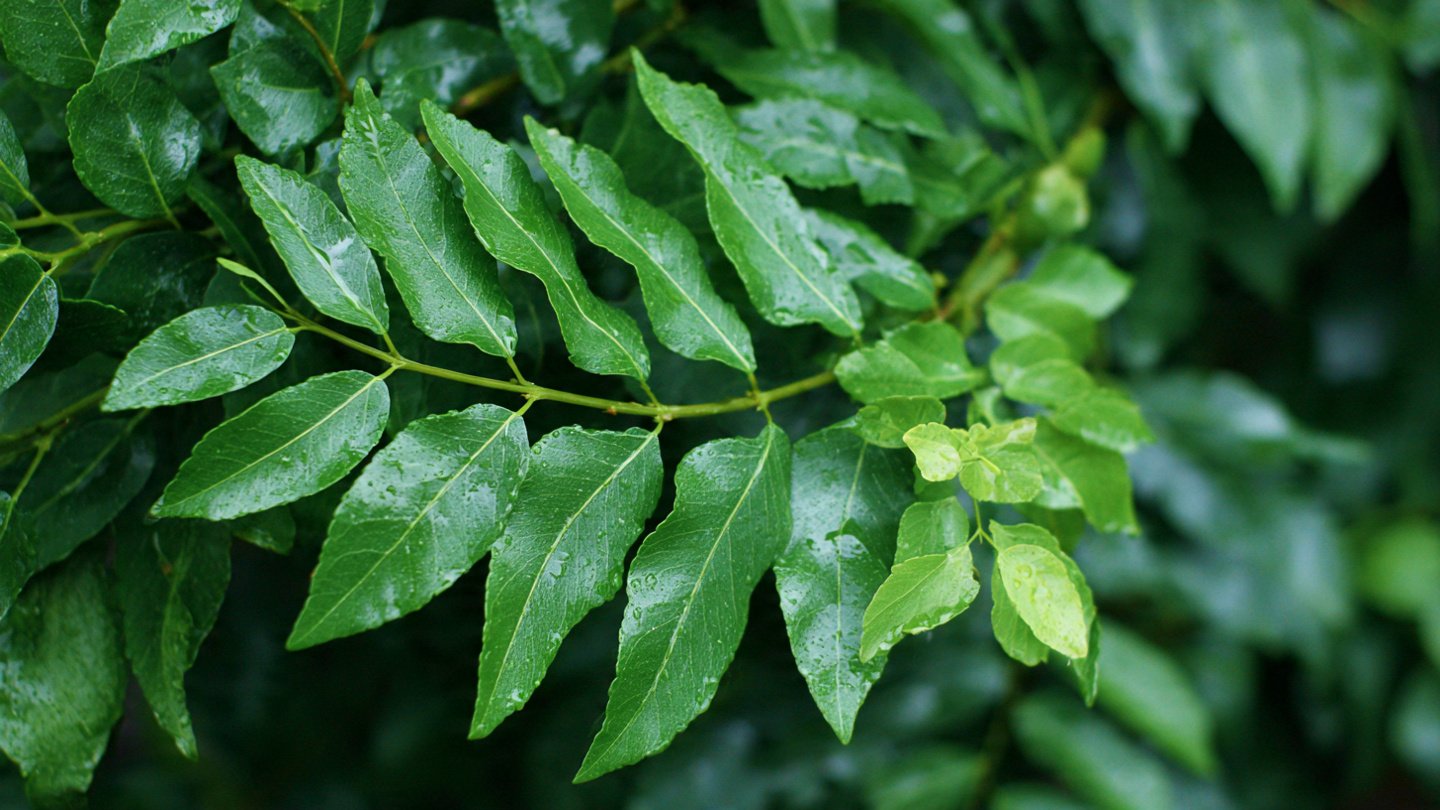
Curry leaves, known scientifically as Murraya koenigii, are not just an essential ingredient in countless Indian dishes; they are also highly valued for their aromatic and medicinal properties. Growing curry leaves at home can provide you with a fresh supply for your culinary endeavors, and it’s easier than you might think. This guide will take you through everything you need to know about growing curry leaves, from seed to spice.
Understanding Curry Leaves
Curry leaves come from a tropical to sub-tropical tree native to India and surrounding regions. The leaves are pinnate and have a unique aroma that enhances the flavor of various dishes, particularly in South Asian cuisines. Besides their culinary use, curry leaves are known for their numerous health benefits, including antioxidant properties, digestive aid, and potential blood sugar regulation.
Latest Posts
- With Just 1 Bottle of Water How I Was Shocked by What Happened When Growing Vegetables
- Maximize Your Home Garden with the Hanging Pea Sprout Growing Model – Space-Saving, High-Yield, and Easy-to-Manage Vertical Gardening Solution
- Just Water – The Secret to Growing Plump, White Peanut Sprouts Right at Home: A Step-by-Step Guide for Beginners
- Growing Zucchini at Home in a Container: How to Cultivate Large, Long Fruits with a 1-to-72 Day Step-by-Step Diary for Maximum Yield
- Grow Long Beans on the Terrace in Used Recycling Baskets: The Ultimate Guide to Easy, Space-Saving, and High-Yield Terrace Gardening
- How to Grow Tons of Long Beans Easily Without a Garden – A Complete Guide to Growing Healthy Yardlong Beans Without Fertilizers or Pesticides
- Easy Long Bean Growing Trick – No Garden, No Fertilizer, No Pesticide
- Grow Bitter Melon in Bottles — Harvest So Big You Can’t Eat It All! The Ultimate Guide to Bottle Gardening for Maximum Yields
- Growing Garlic Made Easy: No Soil, Fast Results – The Ultimate Guide to Growing Fresh Garlic Indoors Without Traditional Soil
- Wall-Mounted Hydroponic Watermelon System: Grow Large, Juicy, and Delicious Watermelons at Home with Minimal Space and Maximum Yield
Choosing the Right Variety
There are two primary types of curry leaves available:
- Curry Leaf Tree (Murraya koenigii): This is the most common and traditional variety whose leaves are aromatic and tender.
- Chinese Curry Leaf (Murraya paniculata): This is a less aromatic version and is not used in cooking as frequently.
For the best flavor and culinary use, opt for the true curry leaf tree.
Seeds vs. Seedlings
Seeds
Growing curry leaves from seeds can be a rewarding yet challenging experience. Seeds can take several weeks to germinate, and successful planting requires patience.
Seedlings
If you want quicker results, purchasing healthy seedlings from a nursery is an excellent option. This way, you skip the germination phase and can start growing right away.
Planting Curry Leaves
Materials Needed
- Seeds or Seedlings: Choose organic seeds or healthy seedlings.
- Potting Soil: Well-draining, loamy soil is ideal.
- Containers: If planting in pots, ensure they have drainage holes.
- Water Spray Bottle: For humidity control.
Steps for Planting
-
Choose a Container: If you’re using pots, select one that’s at least 12 inches in diameter for good root development.
-
Prepare Soil: Mix potting soil with compost or well-rotted manure to enrich it. You can also add some sand for drainage.
-
Plant Seeds or Seedlings:
- Seeds: Soak them in water for 24 hours before planting. Plant them half an inch deep in well-draining soil.
- Seedlings: Make a hole in the soil and gently place the seedling in, ensuring the root ball is covered.
-
Watering: Water thoroughly but avoid waterlogging. Let the soil dry slightly before the next watering.
-
Location: Place the pot in a location with bright, indirect sunlight. Curry leaves thrive in warm temperatures (around 70°F to 90°F).
Caring for Your Curry Plant
Watering
Keep the soil moderately moist. Overwatering can lead to root rot, while underwatering can stress the plant. Use a spray bottle to maintain humidity, especially in arid conditions.
Light Requirements
Curry leaves prefer bright sunlight for at least 5-6 hours daily. If you’re growing indoors, consider placing the pot near a south-facing window.
Fertilizing
Feed your curry leaf plant with a balanced fertilizer or organic compost once a month during the growing season (spring and summer). A nitrogen-rich fertilizer can promote healthy leaf growth.
Pruning
Regular pruning helps to shape the plant and encourages bushier growth. Remove any dead or damaged leaves or branches. Pinch off the tips of new growth to stimulate branching.
Pest Control
Watch out for pests like aphids, whiteflies, and spider mites. Use insecticidal soap or neem oil spray to manage infestations. Always check the undersides of leaves where pests tend to hide.
Harvesting Curry Leaves
Once your plant is established (usually within 6-12 months), you can start harvesting leaves. It’s best to pick leaves in the morning when the oils are most concentrated. Harvest mature leaves while leaving younger ones for continued growth.
To enhance the flavor, gently crush the leaves before adding them to your dishes. Fresh leaves can be stored in the refrigerator but are best used fresh for optimal taste.
Common Challenges
- Slow Growth: This can be due to insufficient light, water, or poor soil quality. Adjust conditions accordingly.
- Yellow Leaves: This may indicate overwatering or a nutrient deficiency. Check your watering routine and consider fertilization.
- Pests: Regularly inspect your plant and take preventive measures with organic sprays if pests are detected.
Growing Curry Leaves Indoors vs. Outdoors
Indoors
If growing curry leaves indoors, ensure they receive enough sunlight. Use a grow light if natural light is insufficient. Maintain humidity around the plant, particularly in dry climates.
Outdoors
If you have the space, planting curry leaves outdoors can lead to healthier plants. Choose a location with good sunlight and protect them from strong winds.
Companion Planting
Curry leaves can benefit from planting near other herbs and vegetables that thrive in similar conditions. Consider planting them alongside tomatoes, basil, or marigolds, which can help repel pests.
FAQs
How long does it take for curry leaves to grow from seed?
Curry leaves typically take 3-4 weeks to germinate from seeds, and about 6-12 months to mature into a harvestable plant.
Can I grow curry leaves in a pot?
Yes, curry leaves thrive in pots, provided they have adequate drainage and receive enough sunlight.
How often should I water my curry leaf plant?
Water your curry leaf plant when the top inch of soil is dry. Avoid waterlogging to prevent root rot.
Are curry leaves frost-tolerant?
Curry leaves are not frost-tolerant and should be brought indoors or covered during colder months.
How do I store fresh curry leaves?
Store fresh curry leaves in the refrigerator in a sealed plastic bag for up to a week, or you can freeze them for longer storage.
What are the health benefits of curry leaves?
Curry leaves are rich in antioxidants and vitamins. They may help with digestion, blood sugar regulation, and have anti-inflammatory properties.
Conclusion
Growing curry leaves at home is not only a rewarding gardening experience but also brings you closer to authentic flavors in your cooking. With the right care, you can successfully cultivate this aromatic herb and enrich your culinary repertoire. Whether you choose to start from seeds or seedlings, this guide will empower you to nurture your curry leaf plant from seed to spice! Happy gardening!