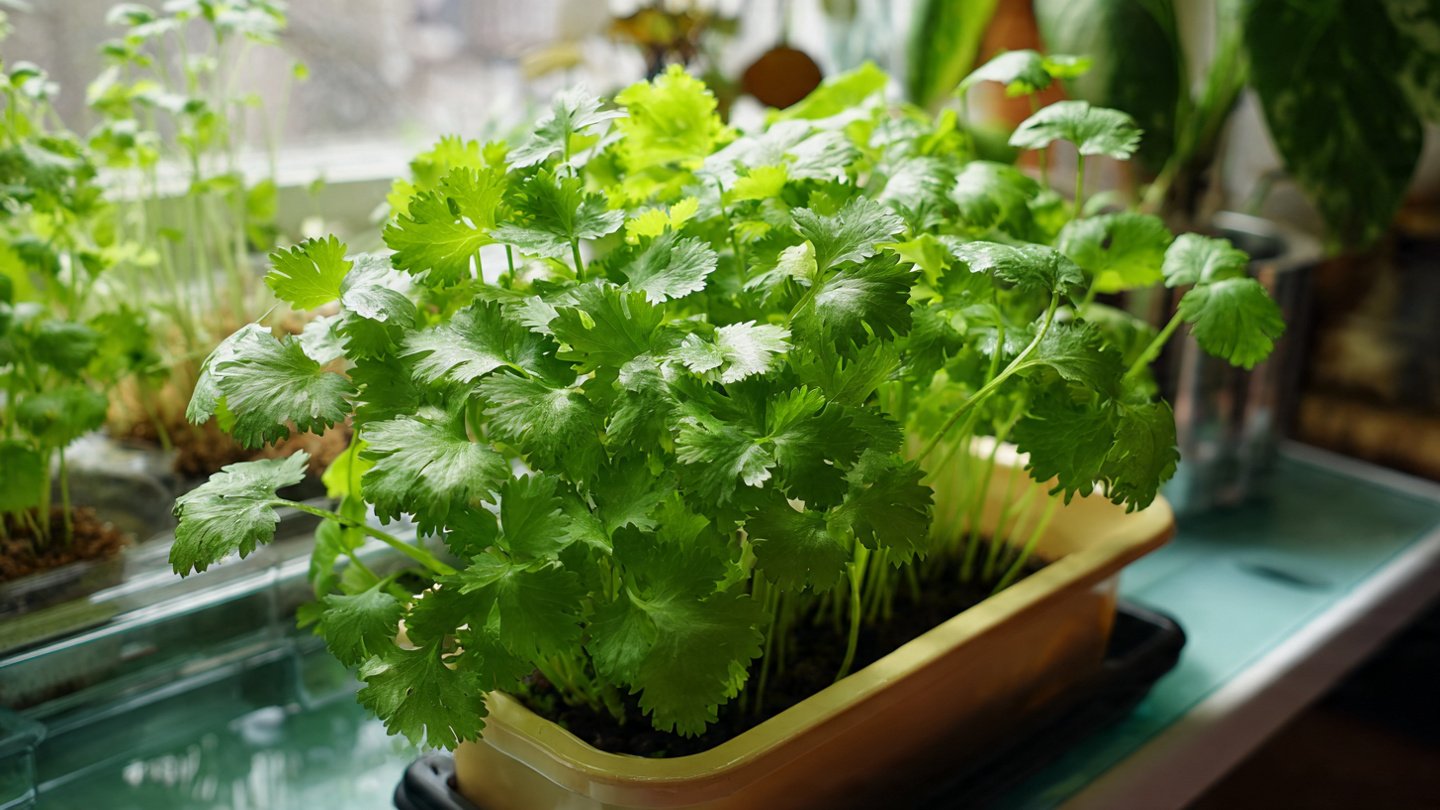
Coriander, also known as cilantro, is an aromatic herb cherished in kitchens worldwide for its fresh flavor. From salsas to curries, this versatile herb can enhance various dishes, making it a delightful addition to any home cook’s repertoire. Growing coriander indoors not only provides fresh herbs at your fingertips but also adds greenery to your living space. This beginner’s guide will delve into everything you need to know about cultivating coriander indoors, ensuring you achieve potting perfection.
Understanding Coriander
Coriander (Coriandrum sativum) is an annual herb belonging to the Apiaceae family. Both the leaves and seeds (often referred to as coriander seeds) are used in culinary applications, but the flavor differs significantly between the two. The leaves are bright and fresh, while the seeds provide a warm, citrusy note.
Latest Posts
- With Just 1 Bottle of Water How I Was Shocked by What Happened When Growing Vegetables
- Maximize Your Home Garden with the Hanging Pea Sprout Growing Model – Space-Saving, High-Yield, and Easy-to-Manage Vertical Gardening Solution
- Just Water – The Secret to Growing Plump, White Peanut Sprouts Right at Home: A Step-by-Step Guide for Beginners
- Growing Zucchini at Home in a Container: How to Cultivate Large, Long Fruits with a 1-to-72 Day Step-by-Step Diary for Maximum Yield
- Grow Long Beans on the Terrace in Used Recycling Baskets: The Ultimate Guide to Easy, Space-Saving, and High-Yield Terrace Gardening
- How to Grow Tons of Long Beans Easily Without a Garden – A Complete Guide to Growing Healthy Yardlong Beans Without Fertilizers or Pesticides
- Easy Long Bean Growing Trick – No Garden, No Fertilizer, No Pesticide
- Grow Bitter Melon in Bottles — Harvest So Big You Can’t Eat It All! The Ultimate Guide to Bottle Gardening for Maximum Yields
- Growing Garlic Made Easy: No Soil, Fast Results – The Ultimate Guide to Growing Fresh Garlic Indoors Without Traditional Soil
- Wall-Mounted Hydroponic Watermelon System: Grow Large, Juicy, and Delicious Watermelons at Home with Minimal Space and Maximum Yield
Why Grow Coriander Indoors?
- Convenience: Having coriander on hand means you can add it to dishes whenever you please.
- Freshness: Nothing beats the taste of freshly picked herbs.
- Aesthetic Appeal: Indoor herbs can enhance your home décor.
- Control Over Growth: You can manage the growing conditions to ensure the best flavor and quality.
Getting Started: What You’ll Need
Supplies
- Containers: Choose pots with drainage holes. Clay pots are ideal, but any container that can retain soil moisture will work.
- Soil: Use a high-quality potting mix that drains well. You can also blend in perlite or sand to enhance drainage.
- Seeds or Seedlings: Opt for coriander seeds specifically meant for culinary use. If you prefer convenience, you can buy seedlings from a local nursery.
- Watering Can: For easy and precise watering.
- Grow Lights: If your space lacks adequate natural light, consider investing in grow lights.
Optimal Conditions
Coriander thrives in warm, sunny environments. Here are the key conditions to simulate indoors:
- Light: Coriander needs at least 6 hours of sunlight daily. A south-facing window is ideal, but supplementing with grow lights can also be beneficial, especially in winter months.
- Temperature: Maintain a temperature range of 65°F to 75°F (18°C to 24°C). It’s important to safeguard the plant from drafts or sudden temperature fluctuations.
- Humidity: Coriander prefers a humid setting. If your indoor air is dry, consider misting the plants occasionally or placing them on a tray filled with water and pebbles.
Planting Coriander
Step 1: Choose Your Container
Select a container that is at least 6 inches deep to accommodate the roots. Ensure it has adequate drainage to prevent waterlogging.
Step 2: Prepare the Soil
Fill your container with potting mix, leaving about an inch of space from the top. Lightly moisten the soil before planting.
Step 3: Seed Planting
- If using seeds, soak them in water for a few hours to expedite germination.
- Scatter the seeds evenly across the soil surface.
- Cover the seeds with a thin layer of soil (about ¼ inch).
- Gently water the soil using a spray bottle or watering can.
Step 4: Watering and Maintenance
- Keep the soil consistently moist, but avoid overwatering. Ideally, the top inch of soil should dry out between waterings.
- Shoots typically sprout within 7–14 days.
Caring for Your Coriander

Caring for coriander involves more than just watering. Here are essential steps for healthy growth:
Thinning
Once seedlings reach about 2 inches in height, thin them out to ensure adequate space for growth. Leave about 6 inches between plants.
Fertilization
Coriander doesn’t require much fertilization, but a diluted liquid fertilizer every few weeks can promote healthy growth. Look for organic options or balanced fertilizers.
Pest Control
Indoor plants can sometimes attract pests like aphids or spider mites. Regularly inspect for pests and treat infestations with insecticidal soap or neem oil.
Pruning
Regularly snip off leaves to encourage fuller growth. Use scissors to avoid damaging the plant, and only harvest a third of the leaves at a time.
Harvesting Coriander
Coriander can be harvested once the plants have reached 4 to 6 inches tall. Use sharp scissors to snip leaves, taking the outer leaves first. If you let the plant grow, it will eventually bolt, producing small, white flowers. These flowers can be removed to prolong leaf production, but if you want to collect coriander seeds, allow them to mature.
FAQs
1. How much light does coriander need indoors?
Coriander needs at least 6 hours of direct sunlight each day. If natural light is insufficient, consider using grow lights.
2. Can I grow coriander from grocery store seeds?
While you can try using seeds from grocery store coriander, they may not germinate as effectively as seeds specifically labeled for planting.
3. What if my coriander is leggy?
Legginess often results from insufficient light. Ensure your coriander is getting enough direct sunlight, or supplement with grow lights.
4. How often should I water my coriander?
Water when the top inch of soil feels dry. Aim for consistently moist soil, but avoid overwatering to prevent root rot.
5. How long does it take for coriander to grow?
Coriander typically takes 3 to 4 weeks to grow to a harvestable size, but it may vary based on environmental conditions.
6. Why are the leaves of my coriander turning yellow?
Yellowing leaves can indicate overwatering, poor drainage, or nutrient deficiencies. Ensure you’re using the right soil and watering properly.
7. Can I grow coriander all year round?
Yes! With the right indoor conditions, you can successfully grow coriander year-round.
Conclusion
Growing coriander indoors is a rewarding experience that brings freshness to your culinary creations and a touch of greenery to your home. By understanding the requirements for light, soil, and care, even beginners can enjoy the benefits of this aromatic herb. Embrace the joy of gardening and elevate your dishes with homegrown coriander!