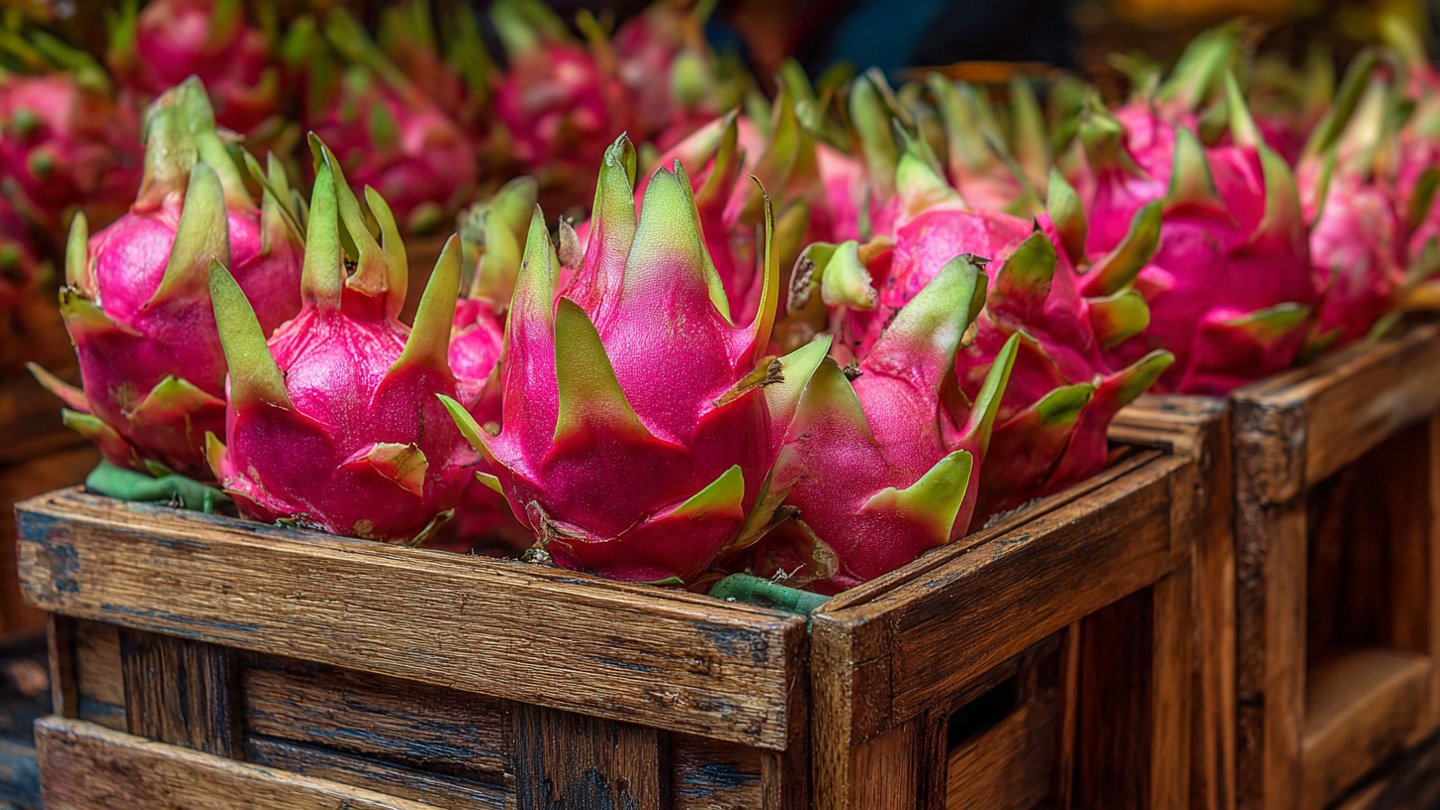
Dragon fruit, also known as pitaya, is a tropical fruit known for its vibrant pink or yellow skin and sweet, creamy flesh. This exotic fruit is not only visually appealing but also packed with nutrients. With its rising popularity, many gardening enthusiasts are keen to cultivate their own, and container gardening provides an accessible way to do this—especially if you have limited garden space. This article will guide you through the process of successfully growing dragon fruits in containers, from choosing the right container and soil to watering, fertilizing, and harvesting.
Understanding Dragon Fruit
Before diving into cultivation, it’s essential to understand the plant itself. Dragon fruit plants belong to the Cactaceae family and are native to Central America, although they are now widely cultivated in tropical and subtropical regions around the world. The plants are vining cacti that can grow quite tall, making them perfect candidates for container gardening. They require specific conditions to thrive, including plenty of sunlight, good drainage, and moderate watering.
Selecting the Right Container
Size Matters
When planting dragon fruit in containers, choose one that is at least 12 to 18 inches deep and wide. The pot needs adequate space to accommodate the plant’s extensive root system. A larger container will allow for more growth and help maintain optimal moisture levels.
Material Selection
Container material is crucial. Terracotta pots provide good aeration and drainage but may dry out quickly in hot weather. Plastic pots are lightweight and often retain moisture better, but good drainage holes are essential to prevent root rot. Consider using a combination of materials or opting for planters that offer built-in drainage systems.

Choosing the Right Soil
Dragon fruit thrives in well-draining soil. A mix of cactus soil, potting mix, and perlite is ideal. This combination allows for aeration while retaining some moisture. Aim for a soil pH level between 6.0 and 7.0, as dragon fruit prefers slightly acidic to neutral conditions.
Latest Posts
- With Just 1 Bottle of Water How I Was Shocked by What Happened When Growing Vegetables
- Maximize Your Home Garden with the Hanging Pea Sprout Growing Model – Space-Saving, High-Yield, and Easy-to-Manage Vertical Gardening Solution
- Just Water – The Secret to Growing Plump, White Peanut Sprouts Right at Home: A Step-by-Step Guide for Beginners
- Growing Zucchini at Home in a Container: How to Cultivate Large, Long Fruits with a 1-to-72 Day Step-by-Step Diary for Maximum Yield
- Grow Long Beans on the Terrace in Used Recycling Baskets: The Ultimate Guide to Easy, Space-Saving, and High-Yield Terrace Gardening
- How to Grow Tons of Long Beans Easily Without a Garden – A Complete Guide to Growing Healthy Yardlong Beans Without Fertilizers or Pesticides
- Easy Long Bean Growing Trick – No Garden, No Fertilizer, No Pesticide
- Grow Bitter Melon in Bottles — Harvest So Big You Can’t Eat It All! The Ultimate Guide to Bottle Gardening for Maximum Yields
- Growing Garlic Made Easy: No Soil, Fast Results – The Ultimate Guide to Growing Fresh Garlic Indoors Without Traditional Soil
- Wall-Mounted Hydroponic Watermelon System: Grow Large, Juicy, and Delicious Watermelons at Home with Minimal Space and Maximum Yield
DIY Soil Mix Recipe
- 2 parts cactus soil
- 1 part potting mix
- 1 part perlite
Mix these components thoroughly before filling your container.
Planting Your Dragon Fruit
Propagation Methods
Dragon fruits can be grown from seeds or cuttings. However, cuttings are the preferred method as they mature faster. To propagate from cuttings, select healthy segments of a mature dragon fruit plant, preferably 6 to 12 inches long. Allow the cuttings to dry for a few days until the cut surface heals or callouses before planting.
Planting Instructions
- Fill the container: Use the prepared soil mix to fill your container, leaving about an inch of space at the top.
- Positioning the cutting: Plant the cutting upright, ensuring that at least one node (the section with a small bump) is buried in the soil.
- Watering: Water the newly planted cutting thoroughly but ensure that excess water drains out. Place the pot in a location with bright, indirect sunlight.
Light and Temperature Requirements
Dragon fruits thrive in full sun, requiring at least 6 to 8 hours of sunlight each day. If you’re growing them indoors, consider using grow lights to supplement natural light.

In terms of temperature, dragon fruit prefers warm conditions ranging between 65°F to 100°F (18°C to 38°C). Protect the plants from frost, as they are sensitive to cold temperatures. If temperatures drop, consider bringing container plants indoors or using frost cloths.
Watering Techniques
Proper watering is crucial for the health of your dragon fruit. The cactus is drought-tolerant, making it essential to avoid overwatering. Check the soil moisture frequently; water when the top inch feels dry. A general rule is to water deeply and allow excess water to drain out, ensuring the roots can breathe.
Signs of Overwatering
- Yellowing leaves
- Wilting or drooping
- Root rot (a foul smell when examining the roots)
Fertilizing Dragon Fruit
Healthy growth requires regular feeding. Use a balanced fertilizer, high in phosphorus and potassium, which aids in flower and fruit production. During the growing season (spring and summer), fertilize every 4 to 6 weeks. Reduce feeding during the fall and winter months when the plant is in its dormant phase.
Organic Options
For organic gardeners, consider using compost or well-rotted manure. Fish emulsion or seaweed extract can also provide necessary nutrients.

Pruning for Growth
Pruning is vital for maintaining the health and productivity of dragon fruit plants. Regularly remove weak or damaged branches to promote airflow and prevent diseases. Additionally, training the plant to climb a trellis or stake can enhance growth and fruit yield as dragon fruit is a climbing cactus.
Pest Management
Dragon fruits are relatively pest-resistant, but they can attract pests like aphids, mealybugs, or fruit flies. Regularly inspect your plants, and if you find anything suspicious, treat the affected areas with insecticidal soap or neem oil.
Harvesting Dragon Fruit
Dragon fruit typically takes around 30 to 50 days to mature after flowering. The fruit is ready for harvest when the skin changes from bright green to vibrant pink or yellow, and the spines on the fruit start to flatten.
Harvesting Tips
- Use gloves to protect your hands from the sharp spines.
- Cut the fruit from the plant using a sharp, clean knife.
- Handle the fruit gently to avoid bruising.
FAQs
1. Can I grow dragon fruit indoors?
Yes, dragon fruit can be grown indoors if they receive sufficient light. Using grow lights can help simulate natural sunlight.

2. How often should I water dragon fruit?
Water your dragon fruit when the top inch of soil feels dry. This may be every 1-2 weeks, depending on environmental conditions.
3. What type of fertilizer is best for dragon fruit?
A balanced fertilizer high in phosphorus and potassium is ideal. Organic options like compost or fish emulsion also work well.
4. Can dragon fruit survive winter?
Dragon fruit is sensitive to cold temperatures. Protect the plants from frost by bringing containers indoors during winter or using frost covers.
5. How long does it take for dragon fruit to produce fruit?
It typically takes 1-2 years for dragon fruit plants to bloom and begin producing fruit after planting.

Conclusion
Growing dragon fruit in containers can be a rewarding endeavor, offering a unique addition to your garden and delicious, home-grown fruit. By understanding the needs of this tropical cactus, providing proper care, and maintaining the right conditions, you can turn your container gardening setup into a potting paradise. Happy gardening!