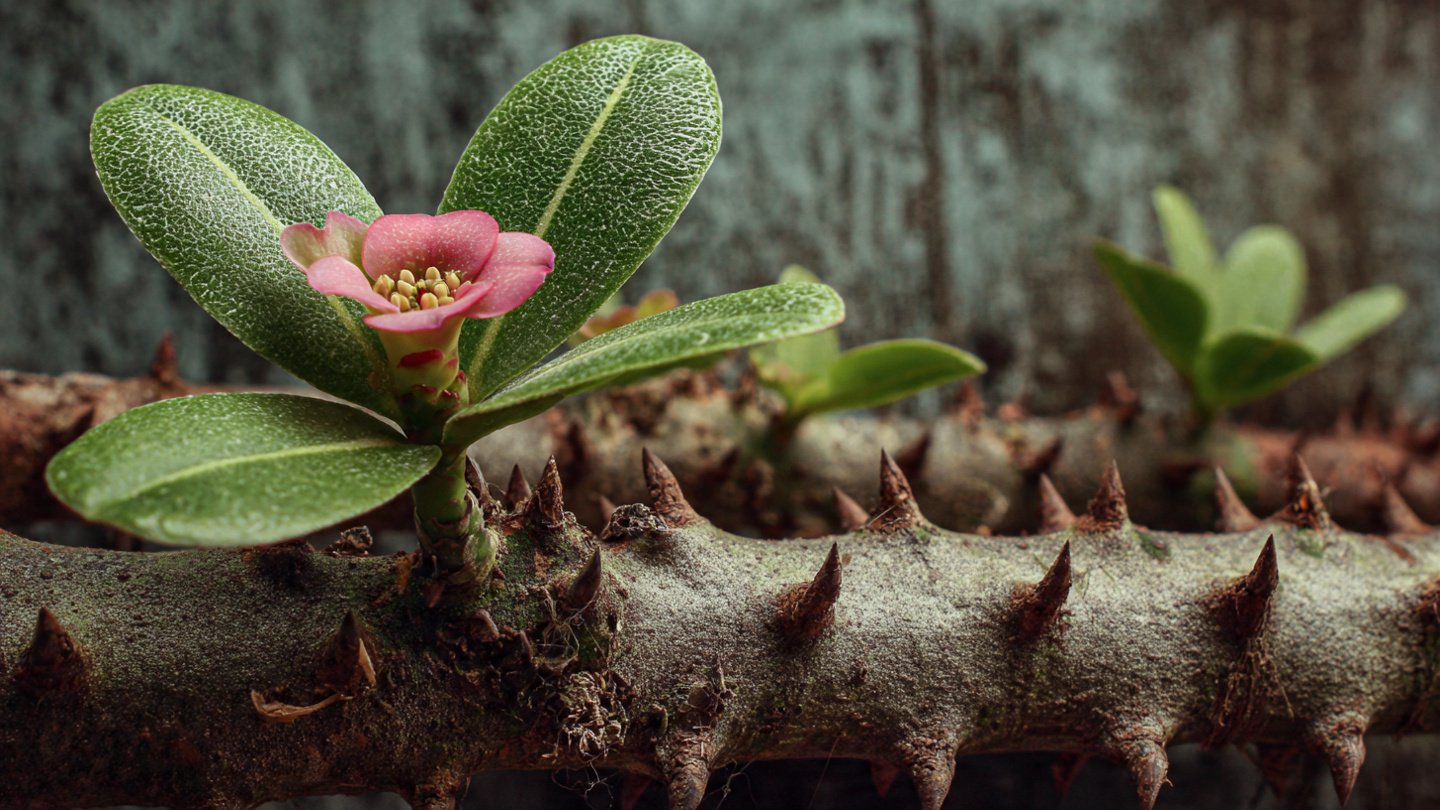
Growing a Crown of Thorns (Euphorbia milii) can be a fulfilling and rewarding endeavor for gardeners, both novices and veterans alike. This resilient, drought-tolerant succulent, with its unique floral display and characteristic thorny stems, has much to offer in terms of beauty and low-maintenance care. In this article, we will guide you through the process of propagating and nurturing Crown of Thorns, from cuttings to full bloom.
Understanding Crown of Thorns
Crown of Thorns is native to Madagascar and boasts a striking appearance characterized by its thick, succulent stems adorned with spines and colorful bracts that resemble flowers. While it’s an easy plant to care for, understanding its needs is vital for successful growth. This plant thrives in warm, dry climates and is often cultivated in pots indoors or as a landscape plant outside in well-draining soil.
Latest Posts
- With Just 1 Bottle of Water How I Was Shocked by What Happened When Growing Vegetables
- Maximize Your Home Garden with the Hanging Pea Sprout Growing Model – Space-Saving, High-Yield, and Easy-to-Manage Vertical Gardening Solution
- Just Water – The Secret to Growing Plump, White Peanut Sprouts Right at Home: A Step-by-Step Guide for Beginners
- Growing Zucchini at Home in a Container: How to Cultivate Large, Long Fruits with a 1-to-72 Day Step-by-Step Diary for Maximum Yield
- Grow Long Beans on the Terrace in Used Recycling Baskets: The Ultimate Guide to Easy, Space-Saving, and High-Yield Terrace Gardening
- How to Grow Tons of Long Beans Easily Without a Garden – A Complete Guide to Growing Healthy Yardlong Beans Without Fertilizers or Pesticides
- Easy Long Bean Growing Trick – No Garden, No Fertilizer, No Pesticide
- Grow Bitter Melon in Bottles — Harvest So Big You Can’t Eat It All! The Ultimate Guide to Bottle Gardening for Maximum Yields
- Growing Garlic Made Easy: No Soil, Fast Results – The Ultimate Guide to Growing Fresh Garlic Indoors Without Traditional Soil
- Wall-Mounted Hydroponic Watermelon System: Grow Large, Juicy, and Delicious Watermelons at Home with Minimal Space and Maximum Yield
Essential Requirements for Growth
-
Light: Crown of Thorns thrives in bright indirect sunlight. It benefits from at least 3-4 hours of direct sunlight daily but must be protected from extreme afternoon sun to prevent leaf scorch.
-
Soil: A well-draining potting mix is essential. You can use cactus soil or mix regular potting soil with perlite or sand to improve drainage.
-
Watering: As a succulent, Crown of Thorns requires minimal watering. Water when the top inch of the soil feels dry, and be sure to avoid letting the roots sit in water, as this can lead to root rot.
-
Temperature and Humidity: This plant thrives in temperatures between 65°F and 85°F (18°C to 29°C). It is not frost-tolerant, so it should be protected during colder months. It also prefers low humidity.
-
Fertilization: Fertilize with a diluted, balanced fertilizer every 4-6 weeks during the growing season (spring through summer).

Propagation: From Cutting to Growth
Step 1: Taking Cuttings
The first step in growing your Crown of Thorns from cuttings is selecting a healthy parent plant. Look for a stem that is at least 4-6 inches long and has several leaves. Use a sharp, sterile knife or scissors to cut below a node, which is where the leaves attach to the stem.
Step 2: Preparing Cuttings
After cutting, allow the cut end to dry for 24 hours in a cool, shaded location. This step is vital as it helps the cut end callous over, reducing the risk of rot when planted.
Step 3: Planting Cuttings
Once the cut end has calloused, prepare a small pot with well-draining soil. Make a hole with your finger or a stick, insert the cutting, and gently pack soil around it. Water lightly and place the pot in a warm, bright spot, avoiding direct sunlight until roots begin to form.

Step 4: Watering and Care
Mist the cutting lightly to increase humidity without oversaturating the soil. Continue to keep the soil moist but not soggy. Within a few weeks, you should see new growth, indicating that the roots have successfully established.
Step 5: Transplanting
When your cutting has grown new leaves and roots, it is time to transplant it into a larger pot. This can usually be done after a month or two. Be gentle during this process to avoid damaging the young roots.
Encouraging Blooms
After a successful propagation, the goal shifts to promoting blooms. Here are some vital tips:
-
Light Requirements: Make sure the plant receives ample sunlight, as inadequate light can hinder blooming.
-
Pruning: Prune the plant to encourage bushier growth. Remove dead or yellowing leaves and shorten leggy growth to stimulate new growth.
-
Temperature Fluctuations: Sudden changes in temperature can stress the plant. Maintaining consistent temperatures helps produce more flowers.
-
Fertilization: As mentioned earlier, a balanced fertilizer promotes blooming. Use a fertilizer higher in phosphorus, as it can stimulate flower production.
-
Patience: Crown of Thorns typically blooms during spring and summer. With proper care and a bit of patience, you will soon see your efforts blossom into beautiful, colorful bracts.

Common Pests and Problems
Although Crown of Thorns is relatively hardy, it is not entirely immune to pests. Regularly inspect your plant for common issues, including:
-
Mealybugs: Small, white, cotton-like infestations between the leaves and stems. You can remove them with a Q-tip dipped in rubbing alcohol.
-
Spider Mites: Tiny red or brown pests that cause stippling on leaves. Increase humidity around the plant and apply insecticidal soap to combat these pests.
-
Fungal Diseases: Overwatering can lead to rot and fungal issues. Ensure that the soil dries out completely between watering to prevent this.

Frequently Asked Questions (FAQs)
1. How often should I water my Crown of Thorns?
Water when the top inch of the soil feels dry, typically every 1-2 weeks. In the winter, reduce watering frequency.
2. Can I grow Crown of Thorns indoors?
Absolutely! Ensure it receives sufficient light and warmth. Even a south-facing window can provide the necessary sunlight.
3. Why are the leaves turning yellow?
Yellowing leaves may indicate overwatering or insufficient light. Assess the care conditions and adjust watering and light exposure accordingly.
4. Does Crown of Thorns require a lot of fertilization?
No. It requires minimal fertilization—every 4-6 weeks during the growing season is sufficient.

5. How can I encourage my Crown of Thorns to bloom?
Provide ample light, proper temperature, and a balanced fertilizer higher in phosphorus, along with regular watering.
6. Is Crown of Thorns toxic?
Yes, the sap can be irritating to the skin. Exercise caution, particularly if you have pets or small children.
7. Can I propagate other Euphorbia plants using the same method?
Yes, many Euphorbia species can be propagated through stem cuttings similarly to Crown of Thorns.
Conclusion
Growing Crown of Thorns can be both an enjoyable and fulfilling experience. With the right care—from cuttings to blooms—you can cultivate a stunning plant that adds color and life to any space. Mastering the art of growing Crown of Thorns not only enhances your gardening skills but also brings the vibrant beauty of this unique succulent into your life. Happy gardening!