Growing your own bell peppers can be a highly gratifying endeavor. Whether you’re an experienced gardener or a curious beginner, bell peppers are a versatile and vibrant addition to your home garden. This guide will walk you through the essentials of cultivating bell peppers, from selecting the right variety to caring for your plants.
Understanding Bell Peppers
Varieties to Choose From
Latest Posts
- With Just 1 Bottle of Water How I Was Shocked by What Happened When Growing Vegetables
- Maximize Your Home Garden with the Hanging Pea Sprout Growing Model – Space-Saving, High-Yield, and Easy-to-Manage Vertical Gardening Solution
- Just Water – The Secret to Growing Plump, White Peanut Sprouts Right at Home: A Step-by-Step Guide for Beginners
- Growing Zucchini at Home in a Container: How to Cultivate Large, Long Fruits with a 1-to-72 Day Step-by-Step Diary for Maximum Yield
- Grow Long Beans on the Terrace in Used Recycling Baskets: The Ultimate Guide to Easy, Space-Saving, and High-Yield Terrace Gardening
- How to Grow Tons of Long Beans Easily Without a Garden – A Complete Guide to Growing Healthy Yardlong Beans Without Fertilizers or Pesticides
- Easy Long Bean Growing Trick – No Garden, No Fertilizer, No Pesticide
- Grow Bitter Melon in Bottles — Harvest So Big You Can’t Eat It All! The Ultimate Guide to Bottle Gardening for Maximum Yields
- Growing Garlic Made Easy: No Soil, Fast Results – The Ultimate Guide to Growing Fresh Garlic Indoors Without Traditional Soil
- Wall-Mounted Hydroponic Watermelon System: Grow Large, Juicy, and Delicious Watermelons at Home with Minimal Space and Maximum Yield
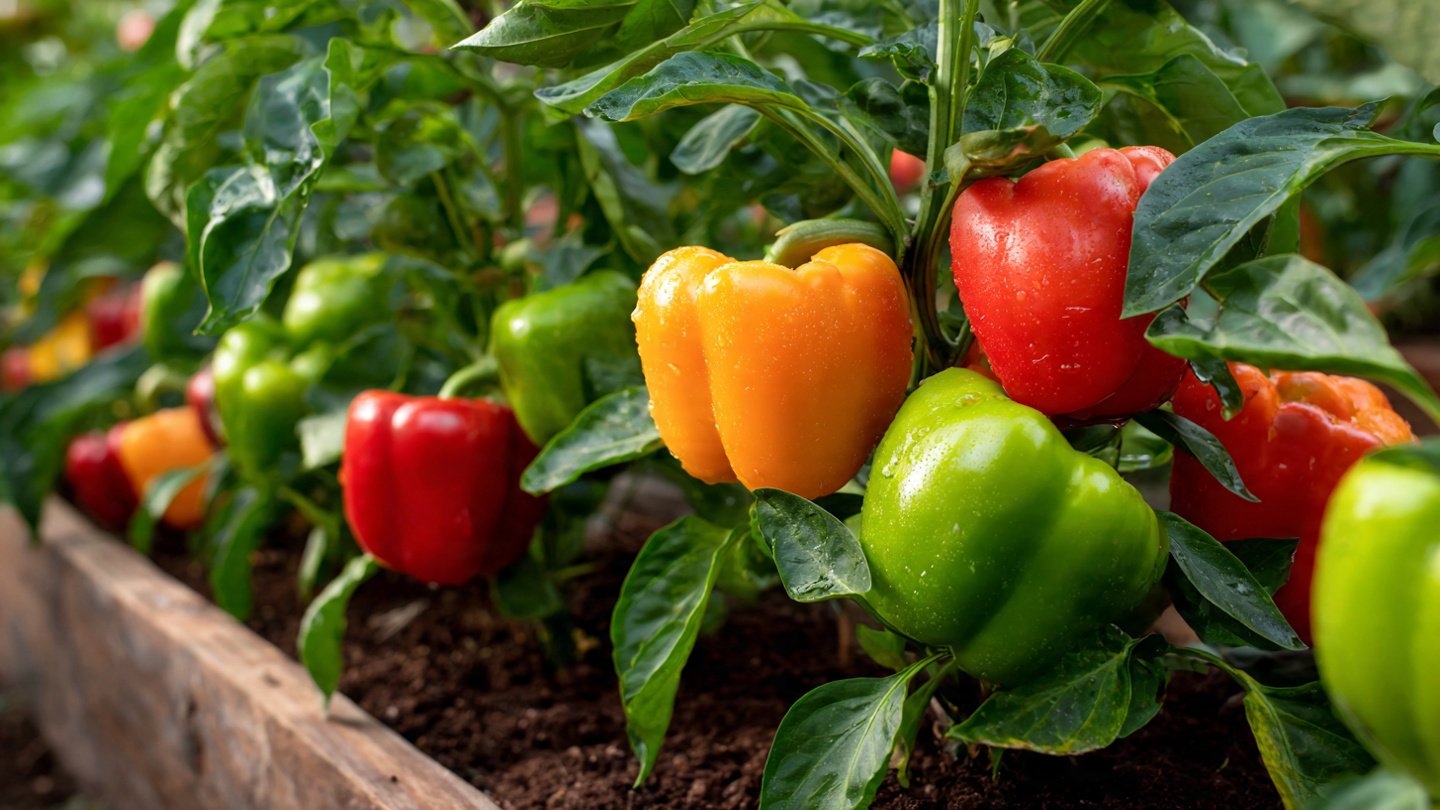
Bell peppers come in a variety of colors, including green, red, yellow, and orange. They belong to the Capsicum annuum species and are known for their sweet flavor. Here are some of the most popular varieties:
-
Green Bell Peppers: These are harvested before they ripen. They have a slightly bitter taste and are the least sweet.
-
Red Bell Peppers: Fully ripened green peppers, they are sweeter and packed with nutrients.
-
Yellow and Orange Bell Peppers: These are also ripe versions of green peppers but with their unique flavor profiles.
When choosing a variety, consider your climate, garden space, and personal taste preferences.

Planning Your Garden
Bell peppers thrive in warm climates. Ideally, they require:
- Sunlight: Full sun for at least 6-8 hours a day.
- Soil: Well-draining, fertile soil with a pH of 6.0 to 6.8.
- Temperature: Daytime temperatures between 70°F to 85°F (21°C to 29°C) and nighttime temperatures no lower than 55°F (13°C).
If you’re in a colder climate, consider starting seeds indoors or using containers that can be moved for better sunlight.
Preparing for Planting
Sourcing Seeds or Seedlings
You can grow bell peppers from seeds or purchase seedlings from local nurseries. If starting from seeds, start 8-10 weeks before the last frost. Select high-quality seeds that fit your chosen variety.
Seedling Preparation

If starting seeds indoors, use seed trays filled with seed-starting mix. Place seeds about ¼ inch deep and keep the soil consistently moist but not waterlogged. Provide warmth and light to promote germination. A temperature of 70°F to 80°F (21°C to 27°C) is ideal. Seeds typically germinate within 7-14 days.
Transplanting Seedlings Outdoors
Once the seedlings grow to about 6-8 inches tall and the outdoor conditions are suitable (post frost), you can transplant them. Space them about 18-24 inches apart in rows that are 24-36 inches apart, allowing enough room for air circulation.
Care and Maintenance
Watering
Bell peppers prefer consistently moist soil but dislike overwatering, which can lead to root rot. Water the plants deeply once or twice a week, allowing the top inch of soil to dry out between watering sessions. Pay special attention during flowering and fruit-set stages, as these times are critical for yield.
Fertilizing
Bell peppers are heavy feeders. Use a balanced fertilizer (like 10-10-10) when planting and again every 4-6 weeks throughout the growing season. Organic options like compost or well-decomposed manure can also provide necessary nutrients.
Pest and Disease Management
Monitor your plants regularly for pests, such as aphids, spider mites, and bell pepper weevils. Employ organic pest control methods if necessary, such as insecticidal soap or neem oil.

Common diseases affecting bell peppers include:
-
Blossom End Rot: Caused by calcium deficiency and uneven watering. Ensure consistent moisture and consider calcium supplements if needed.
-
Powdery Mildew: A fungal disease that thrives in humid conditions. Improve air circulation and avoid overhead watering to mitigate this issue.
Harvesting Your Bell Peppers
Bell peppers can be harvested at various stages, depending on your preference. For green bell peppers, wait until they are firm and full-sized, usually around 60-75 days after planting. If you prefer sweeter flavors, wait for the peppers to turn red, which will take about 80-90 days.
Use sharp scissors or pruning shears to cut the peppers from the plant. Avoid pulling them off to prevent damage to the plant.
Storing and Using Your Harvest
Fresh bell peppers can be stored in the refrigerator for up to two weeks. For long-term storage, consider blanching and freezing them. They can also be dried or canned for later use.

Bell peppers are incredibly versatile in the kitchen. Try them in salads, stir-fries, stuffed, or grilled. Their sweet and peppery flavor enhances many dishes.
Frequently Asked Questions (FAQs)
1. How much sunlight do bell peppers need?
Bell peppers require full sun, ideally receiving 6-8 hours of sunlight each day for optimal growth and fruit production.
2. Can I grow bell peppers in pots?
Yes, bell peppers grow well in pots. Choose a container that is at least 5 gallons in size to ensure adequate growth and drainage.
3. How often should I fertilize my bell peppers?
Fertilize bell peppers every 4-6 weeks during the growing season. A balanced fertilizer is recommended for best results.
4. What is the best time to plant bell peppers?
The best time to plant bell peppers is after the last frost date in your area, when the soil temperature reaches at least 65°F (18°C).
5. How can I prevent pests from damaging my bell pepper plants?
Routine monitoring, good garden hygiene, and the use of organic pest control methods can help keep pests at bay. Interplanting with flowers like marigolds can also deter some pests.
6. Why are my bell peppers turning yellow?
Yellowing can be due to several factors, including nutrient deficiency (especially nitrogen), inconsistent watering, or disease. Make sure to maintain balanced soil nutrition and monitor watering habits.
7. How do I know when to harvest bell peppers?
Harvest bell peppers when they are firm and reach full size. If you prefer sweeter peppers, wait until they change color (from green to red, yellow, or orange) before harvesting.
Conclusion
Growing bell peppers at home is not only a rewarding project but also enhances your culinary experiences. By understanding their needs and providing proper care, you’ll be well on your way to a bountiful harvest of delicious, homegrown bell peppers. Whether you use them in recipes or simply enjoy their beauty in the garden, bell peppers will surely add flavor and vibrancy to your life. Happy gardening!