Introduction: The Secret to Home Vegetable Gardening
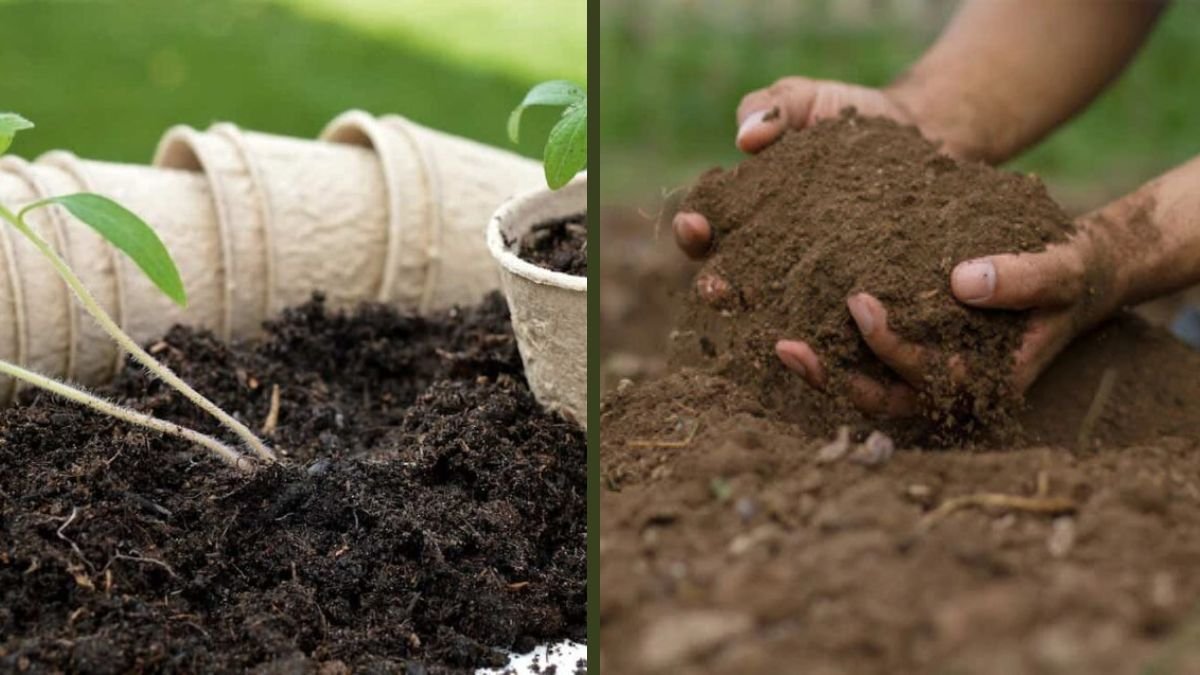
Healthy, high-yield vegetable gardens start with good soil. Many gardeners underestimate the importance of soil preparation. The right soil mix provides essential nutrients, retains moisture, and allows roots to breathe. I discovered that by mixing specific ingredients, I could dramatically increase vegetable production at home. Healthy soil leads to stronger plants, better flowering, and higher fruiting. Even small backyard gardens or balcony setups can become productive with proper soil. Understanding soil structure and nutrient balance is the foundation of home gardening. This article shares my exact soil mixing method for maximum yield.
Why Soil Quality Is Key for Vegetables
Soil is the primary source of nutrients and water for plants. Poor soil results in stunted growth and low yields. A well-mixed soil provides aeration, drainage, and nutrient availability. Balanced soil prevents plant diseases and supports healthy root systems. Rich soil improves flavor and growth rate. Proper soil minimizes the need for chemical fertilizers. Nutrient-rich soil encourages strong flowering and fruiting. Successful vegetable gardening starts underground.
Understanding Different Soil Types
There are several soil types: sandy, clay, silt, and loam. Each has pros and cons for vegetable growth. Sandy soil drains quickly but lacks nutrients. Clay soil retains water but can suffocate roots. Silt is fertile but may compact easily. Loamy soil is ideal for most vegetables. Mixing soil types can balance drainage, fertility, and texture. Understanding soil properties allows gardeners to make effective adjustments. Proper base soil selection is critical for high yields.
Choosing Organic Amendments
Organic amendments improve fertility and soil structure. Compost, cow manure, vermicompost, and leaf mold are excellent choices. They release nutrients slowly, enriching soil naturally. Organic matter improves water retention in sandy soils and aeration in clay soils. Regular application enhances microbial activity. Organic amendments reduce the need for chemical fertilizers. Healthy soil supports strong vegetable growth. They also improve the taste and nutritional quality of produce.
My Soil Mixing Recipe for Home Vegetables
I mix garden soil, compost, sand, and cow manure in specific ratios. Typically, 50% garden soil, 30% compost, 10% sand, and 10% cow manure. This combination ensures fertility, drainage, and root aeration. Adjust proportions based on soil type. The mixture is loose, nutrient-rich, and holds moisture evenly. Proper mixing prevents soil compaction. Balanced soil structure supports higher yields. This method works for all types of vegetables.
Latest Posts
- With Just 1 Bottle of Water How I Was Shocked by What Happened When Growing Vegetables
- Maximize Your Home Garden with the Hanging Pea Sprout Growing Model – Space-Saving, High-Yield, and Easy-to-Manage Vertical Gardening Solution
- Just Water – The Secret to Growing Plump, White Peanut Sprouts Right at Home: A Step-by-Step Guide for Beginners
- Growing Zucchini at Home in a Container: How to Cultivate Large, Long Fruits with a 1-to-72 Day Step-by-Step Diary for Maximum Yield
- Grow Long Beans on the Terrace in Used Recycling Baskets: The Ultimate Guide to Easy, Space-Saving, and High-Yield Terrace Gardening
- How to Grow Tons of Long Beans Easily Without a Garden – A Complete Guide to Growing Healthy Yardlong Beans Without Fertilizers or Pesticides
- Easy Long Bean Growing Trick – No Garden, No Fertilizer, No Pesticide
- Grow Bitter Melon in Bottles — Harvest So Big You Can’t Eat It All! The Ultimate Guide to Bottle Gardening for Maximum Yields
- Growing Garlic Made Easy: No Soil, Fast Results – The Ultimate Guide to Growing Fresh Garlic Indoors Without Traditional Soil
- Wall-Mounted Hydroponic Watermelon System: Grow Large, Juicy, and Delicious Watermelons at Home with Minimal Space and Maximum Yield
pH Testing and Adjustment
Vegetables prefer slightly acidic to neutral soil (pH 6–7). Test soil using a pH kit. If pH is low, add lime to increase alkalinity. If pH is high, add organic matter or sulfur to reduce alkalinity. Correct pH ensures optimal nutrient availability. Balanced pH supports healthy microbial activity. Plants absorb nutrients efficiently. pH adjustment is essential for maximum growth. Regular monitoring improves vegetable productivity.
Aeration and Loosening Techniques
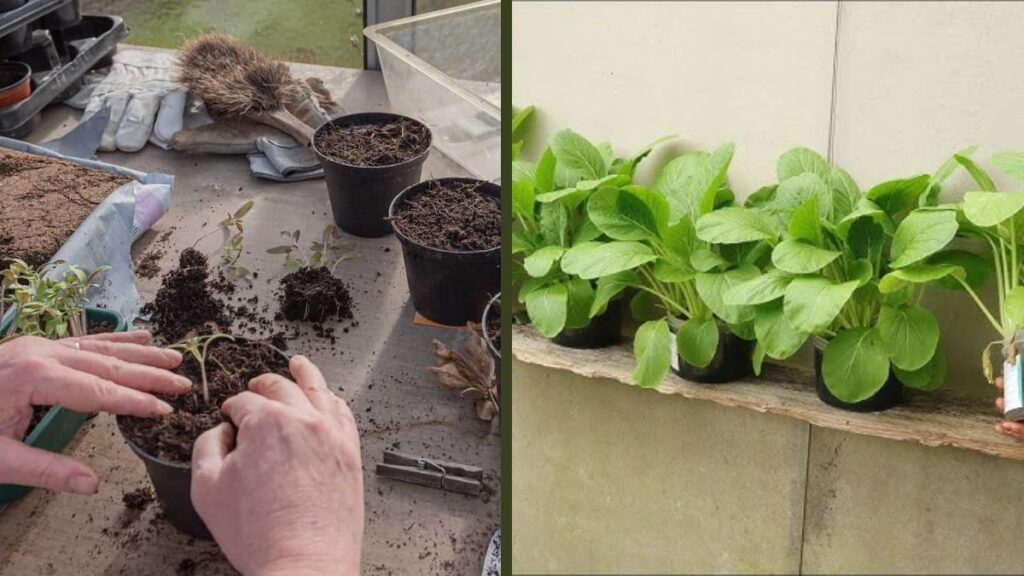
Loosen the soil to improve airflow and root penetration. Use hand forks, garden trowels, or small spades. Avoid compacting soil after mixing. Aerated soil improves drainage and nutrient absorption. Roots grow deeper and stronger. Proper aeration prevents fungal diseases. Loosened soil also supports earthworm activity. Healthy soil structure is critical for high-yield gardening. Aeration enhances overall plant health.
Layering and Mulching
Layer the soil mix in planting beds with mulch on top. Mulch prevents evaporation, retains moisture, and suppresses weeds. Organic mulch such as straw, dried leaves, or grass clippings is ideal. Mulching keeps soil temperature stable. It also encourages beneficial soil organisms. Mulch decomposition adds nutrients back into the soil. Layered beds improve soil fertility over time. Mulching maximizes vegetable yield.
Water Retention and Drainage Balance
Proper water retention prevents plants from drying out while avoiding root rot. The soil mix absorbs water without becoming soggy. Sand improves drainage, compost retains moisture, and manure nourishes plants. Balanced soil structure supports continuous growth. Water management is crucial for flowering and fruiting. Moisture balance impacts nutrient uptake. This mix ensures vegetables thrive. Consistent watering combined with well-mixed soil ensures high yield.
Seedling Transplantation
Start seeds in the same soil mixture for consistent growth. Seedlings transplanted into rich soil establish faster. Strong roots adapt quickly to garden beds. Seedling growth is more vigorous in nutrient-rich soil. Proper soil prevents transplant shock. Healthy seedlings produce more flowers and fruits. Transplant carefully to avoid disturbing roots. Soil quality determines early growth success.
Fertilization and Top Dressing
Even with rich soil, occasional top dressing boosts yield. Apply compost, vermicompost, or liquid organic fertilizers. Feed plants every 2–3 weeks. Avoid overfertilizing, which may damage roots. Balanced nutrition encourages more flowers and vegetables. Fertilization complements the initial soil mix. Healthy soil plus supplemental feeding ensures maximum productivity. Monitor plant response to adjust feeding.
Pest Management in Nutrient-Rich Soil
Healthy soil encourages strong plants that resist pests naturally. Plants grown in poor soil are more susceptible to aphids, mites, and beetles. Use neem oil or organic sprays only when necessary. Maintain clean soil and remove diseased leaves. Organic amendments support beneficial insects. Well-fed plants can tolerate minor pest attacks without yield loss. Prevention is easier than cure. Proper soil reduces pest vulnerability.
Growth Monitoring and Observation
Regular observation helps identify nutrient deficiencies or water issues. Yellowing leaves may indicate nitrogen deficiency. Wilting may suggest inconsistent watering. Well-mixed soil reduces most nutrient problems. Keep track of plant growth stages. Early detection of issues ensures timely intervention. Observation enhances yield consistency. Monitoring is key for high-performing home gardens.
Soil Renewal Between Crops
Rotate crops and refresh soil annually. Add new compost, manure, and sand as needed. Continuous soil replenishment maintains fertility. Avoid planting heavy feeders repeatedly without soil amendments. Crop rotation reduces pest buildup. Soil renewal ensures high productivity year after year. Healthy soil supports multiple harvests. This is critical for sustainable gardening.
Vegetable Growth Overview Table
| Vegetable Type | Soil Mix Recommendation | Key Care |
|---|---|---|
| Leafy greens | 50% soil + 40% compost +10% sand | Frequent watering & mulch |
| Tomato | 50% soil + 30% compost + 20% manure | Fertilize & stake |
| Eggplant | 40% soil + 40% compost + 20% sand | Mulch & prune |
| Beans | 50% soil + 30% compost + 20% sand | Support trellis & water |
Common Mistakes in Soil Preparation
Overwatering rich soil causes root rot. Too much clay reduces aeration. Ignoring pH leads to nutrient lockout. Compacted soil prevents root growth. Insufficient compost limits fertility. Avoid these mistakes to ensure high yield. Correct preparation is more effective than remedies. Experience improves soil quality management.
Benefits of Proper Soil Mixing
Increases vegetable yield significantly. Improves root health and plant vigor. Reduces disease and pest vulnerability. Enhances fruit flavor and nutrition. Saves cost on chemical fertilizers. Supports sustainable gardening. Encourages more flowering and fruiting. Healthy soil leads to successful harvests.
Why This Method Works
Balanced nutrients, proper texture, and aeration create ideal growing conditions. Plants focus on flowering and fruiting instead of struggling with poor soil. Microbial activity improves naturally. Water retention and drainage are optimized. Continuous nutrition boosts productivity. This method is simple, practical, and effective. Results are visible within weeks. High-yield vegetable gardens are achievable.
Final Conclusion
Mixing soil correctly is the secret to growing abundant vegetables at home. Proper composition, aeration, pH adjustment, and organic amendments are essential. Even beginners can achieve high yields. Healthy soil produces vigorous plants, strong roots, and flavorful vegetables. Follow this guide to transform your home garden into a productive oasis. Maximum harvests are within reach.