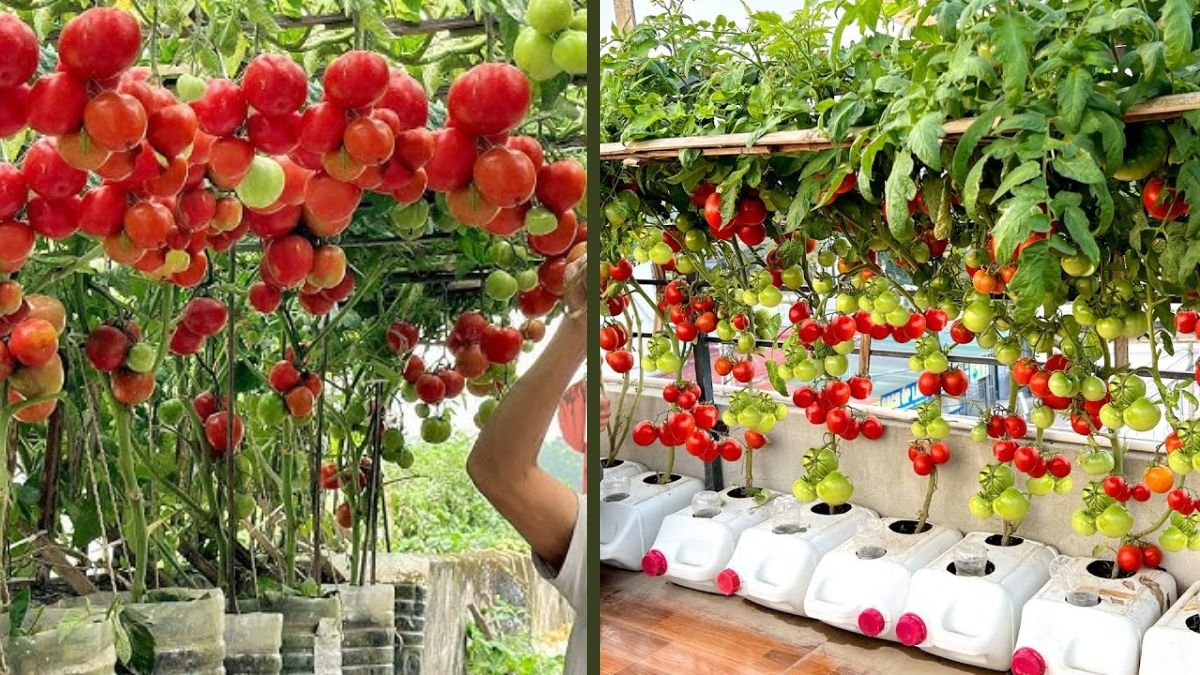
Introduction to High-Yield Tomato Cultivation
Tomatoes are among the most popular vegetables for home gardens. Growing high-yielding tomatoes at home can save money and provide fresh, nutritious produce. Many gardeners struggle with low yield due to poor planting techniques or nutrient deficiencies. The easiest way to grow abundant tomatoes involves proper soil preparation, selection of the right variety, and careful care. Tomatoes thrive in warm, sunny conditions with consistent watering. With the right methods, even beginners can produce large, juicy fruits. Home-grown tomatoes are superior in flavor, texture, and nutritional value. This guide focuses on easy, practical techniques for maximum productivity.
Choosing the Right Tomato Varieties
Selecting a high-yielding variety is the first step. Popular varieties include Cherry, Roma, Beefsteak, and Hybrid Super Tomatoes. Choose disease-resistant varieties for easier maintenance. Determine whether indeterminate or determinate types suit your garden space. Indeterminate varieties produce fruits continuously, while determinate types yield a larger harvest at once. Variety selection affects fruit size, taste, and overall yield. Using hybrid seeds often ensures stronger growth. Correct selection is crucial for abundant harvests.
Soil Preparation for Maximum Growth
Tomatoes prefer well-drained, fertile soil. Mix garden soil with compost and organic fertilizers. Maintain slightly acidic to neutral pH for optimal nutrient absorption. Remove stones, debris, and weeds before planting. Loosen soil to encourage root expansion. Healthy soil supports flowering and fruiting. Mulching improves moisture retention and soil temperature. Proper preparation sets the foundation for high yield.
Seed Sowing and Germination
Start tomato seeds indoors for better control. Sow seeds 1/4 inch deep in seed trays or small pots. Maintain consistent moisture and warmth for germination. Use a transparent cover to retain humidity. Germination takes 7-14 days depending on variety. Thin seedlings to retain strongest plants. Early care ensures strong roots. Healthy seedlings are key to abundant harvests.
Transplanting Seedlings
Transplant seedlings after 4-6 weeks when they have 2-3 true leaves. Harden seedlings by exposing them to outdoor conditions gradually. Dig holes in prepared soil and plant seedlings deep to encourage root development. Water lightly after transplanting. Proper spacing between plants ensures airflow. Healthy transplants reduce stress. Correct technique improves fruit yield.
Latest Posts
- With Just 1 Bottle of Water How I Was Shocked by What Happened When Growing Vegetables
- Maximize Your Home Garden with the Hanging Pea Sprout Growing Model – Space-Saving, High-Yield, and Easy-to-Manage Vertical Gardening Solution
- Just Water – The Secret to Growing Plump, White Peanut Sprouts Right at Home: A Step-by-Step Guide for Beginners
- Growing Zucchini at Home in a Container: How to Cultivate Large, Long Fruits with a 1-to-72 Day Step-by-Step Diary for Maximum Yield
- Grow Long Beans on the Terrace in Used Recycling Baskets: The Ultimate Guide to Easy, Space-Saving, and High-Yield Terrace Gardening
- How to Grow Tons of Long Beans Easily Without a Garden – A Complete Guide to Growing Healthy Yardlong Beans Without Fertilizers or Pesticides
- Easy Long Bean Growing Trick – No Garden, No Fertilizer, No Pesticide
- Grow Bitter Melon in Bottles — Harvest So Big You Can’t Eat It All! The Ultimate Guide to Bottle Gardening for Maximum Yields
- Growing Garlic Made Easy: No Soil, Fast Results – The Ultimate Guide to Growing Fresh Garlic Indoors Without Traditional Soil
- Wall-Mounted Hydroponic Watermelon System: Grow Large, Juicy, and Delicious Watermelons at Home with Minimal Space and Maximum Yield
Watering Practices
Tomatoes need consistent watering to avoid fruit drop and blossom end rot. Drip irrigation is ideal for precise water delivery. Water in the morning to reduce evaporation. Mulch conserves soil moisture. Avoid wetting leaves to prevent fungal diseases. Proper hydration promotes strong stems and leaves. Regular monitoring prevents stress. Balanced water supply increases fruit size.
Sunlight Requirements
Tomatoes require at least 6-8 hours of direct sunlight daily. Proper sunlight encourages flowering and sugar accumulation in fruits. Insufficient light delays flowering and reduces yield. Use reflective surfaces to increase light in shaded areas. Rotate pots if container gardening. Sunlight management directly affects taste and productivity. Healthy plants need ample sun. Optimal sunlight is essential for maximum yield.
Fertilization Schedule
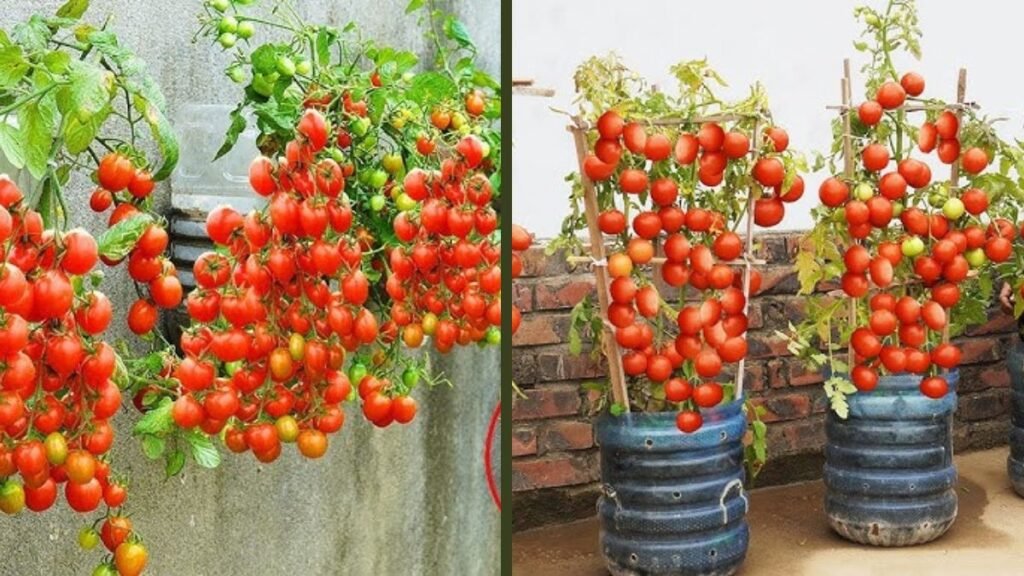
Tomatoes are heavy feeders. Apply organic fertilizers such as compost, vermicompost, or liquid fertilizers. Feed seedlings lightly before transplanting. Fertilize again at flowering stage. Avoid excess nitrogen, which promotes foliage over fruiting. Potassium-rich fertilizer improves fruit size. Consistent feeding ensures continuous harvest. Balanced nutrition is vital for high-yield tomatoes.
Pruning and Staking
Prune lower leaves and suckers to direct energy toward fruiting. Support vines with stakes or cages to prevent sprawling. Pruning improves airflow, reducing fungal infection. Training supports vertical growth. Proper pruning encourages strong branches and higher fruit production. Staking keeps fruits off the ground. Healthy canopy management increases yield. Pruning is an essential technique.
Pollination Techniques
Tomatoes self-pollinate, but assisted pollination improves fruit set. Shake flowers gently or use an electric pollinator. Hand pollination helps in low bee-activity areas. Early morning is best for pollination. Proper fruit set increases yield. Monitoring flowering stages ensures effective pollination. Pollination influences quantity and uniformity of fruits. Healthy pollination guarantees abundant harvests.
Pest and Disease Control
Common pests include aphids, whiteflies, and fruit worms. Diseases include blight and powdery mildew. Apply neem oil or mild organic sprays. Maintain proper spacing to reduce humidity. Remove infected leaves promptly. Early detection prevents yield loss. Healthy plants resist pests better. Integrated pest management ensures maximum productivity.
Harvesting Techniques
Tomatoes are ready for harvest when fully colored and firm. Pick fruits gently to avoid stem damage. Frequent harvesting encourages continuous flowering and fruiting. Avoid overripe fruits to maintain plant health. Proper timing improves taste and storage life. Monitor daily for ready-to-pick fruits. Harvesting technique affects quality. Timely harvest increases total yield.
Post-Harvest Handling
Store tomatoes in cool, shaded areas. Avoid stacking fruits to prevent bruising. Wash fruits gently before storage. Proper handling preserves freshness and flavor. Avoid exposure to direct sunlight. Maintain moderate humidity. Quality preservation increases shelf life. Proper post-harvest care ensures high-value produce.
Growth Monitoring Table
| Factor | Requirement | Benefit |
|---|---|---|
| Soil | Fertile, well-drained | Healthy roots and growth |
| Water | Consistent | Juicy fruits, blossom prevention |
| Sunlight | 6-8 hours | Sugar accumulation, strong growth |
| Fertilizer | Balanced NPK | High yield, larger fruits |
Innovative Growing Tips
Use black plastic mulch to retain soil moisture. Consider drip irrigation for precise watering. Vertical training maximizes space. Remove weak or small flowers for energy focus. Companion planting with basil or marigold repels pests naturally. Regular monitoring improves plant health. Innovative techniques improve both yield and quality. Combining methods ensures maximum results.
Container Gardening
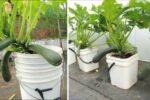
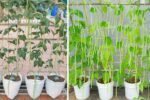
Tomatoes grow well in containers with sufficient depth. Use large pots or grow bags. Ensure proper drainage to prevent waterlogging. Rotate containers for uniform sunlight. Vertical cages help conserve space. Container gardening allows urban growers to cultivate efficiently. Portable setups make maintenance easier. Container cultivation produces high yields in small areas.
Mulching and Soil Moisture
Mulch reduces evaporation and maintains soil temperature. Organic mulches like straw improve fertility. Mulching prevents weed growth and conserves water. Proper moisture helps in fruiting. Healthy soil contributes to larger, tastier fruits. Mulching reduces maintenance. Supports consistent growth and flower retention. Soil moisture is crucial for productivity.
Seasonal Planting Tips
Plant tomatoes in warm seasons for best results. Avoid frost and extreme heat. Rotate crops to maintain soil health. Seasonal planning prevents pest and disease build-up. Ensures consistent production. Improves fruit size and flavor. Proper timing optimizes yield. Planning reduces risk.
Maximizing Fruit Size
Thin fruits early to focus nutrients on remaining fruits. Maintain consistent watering and fertilization. Sunlight exposure affects size and sweetness. Support vines to prevent damage. Healthy plants produce uniform, large fruits. Proper pruning and nutrient allocation increase productivity. Fruit thinning improves quality. Large fruits attract better demand.
Why Tomatoes Yield Better with Care
Healthy roots, proper watering, sunlight, and pest control work together. Balanced nutrition increases flowering. Controlled pruning directs energy to fruiting. Proper techniques reduce losses. Vigorous vines produce abundant, high-quality fruits. Continuous monitoring ensures success. Following best practices maximizes yield. Careful attention produces exceptional harvests.
Common Mistakes to Avoid
Overcrowding reduces sunlight and airflow. Overwatering causes root rot. Excess nitrogen delays fruiting. Ignoring pruning and staking weakens vines. Neglecting pests reduces harvest. Avoiding these mistakes ensures high yield. Awareness improves success. Correct practices lead to maximum productivity.
Final Conclusion
Growing high-yielding tomatoes at home is easy with the right approach. Selecting proper varieties, preparing soil, managing water, sunlight, and nutrients, and controlling pests ensures abundant fruits. Pruning, staking, and innovative techniques maximize both quality and quantity. With care and attention, even beginners can achieve juicy, flavorful, and plentiful tomatoes. Home-grown tomatoes guarantee satisfaction and health benefits.