Introduction: Why Grow Watermelon at Home
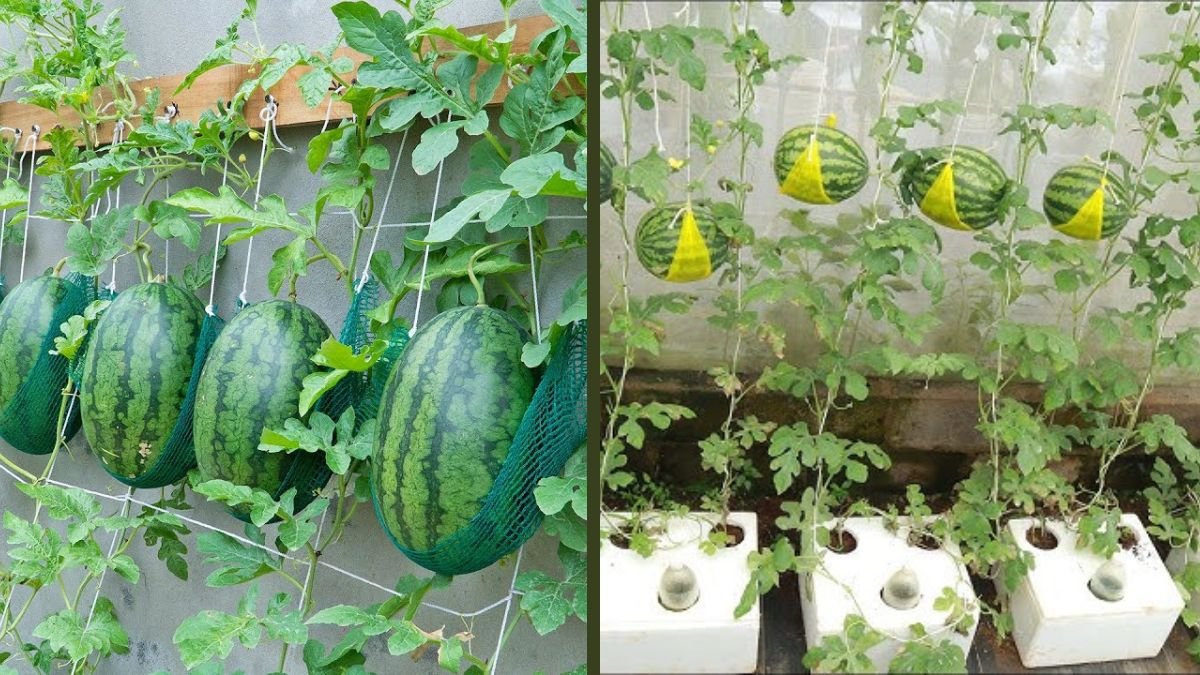
Watermelon is a summer favorite, loved for its sweetness, hydration, and refreshing taste. Homegrown watermelons are fresher, healthier, and free from chemical residues. Many gardeners struggle with small fruits, low yield, or poor flavor. With proper planning, watering, fertilization, and pest control, you can produce large, juicy watermelons at home. This guide covers techniques for soil preparation, planting, care, and harvesting. Growing watermelons at home is rewarding, tasty, and cost-effective.
Nutritional Benefits of Watermelon
Watermelon is rich in water, vitamins A, B6, C, potassium, and antioxidants. It hydrates the body, supports heart health, and aids digestion. Lycopene in watermelon reduces oxidative stress and may prevent chronic diseases. Homegrown fruits are fresher, tastier, and free from pesticides. Incorporating watermelon in the diet promotes hydration and overall wellness, especially during hot weather.
Choosing the Right Variety
Select high-yielding, disease-resistant watermelon varieties suitable for your climate. Popular varieties include Crimson Sweet, Sugar Baby, and Black Diamond. Use certified seeds to ensure germination and fruit quality. Consider space requirements, vine length, and fruit size when choosing varieties. Selecting the right watermelon type increases chances of large, sweet fruits and continuous harvest.
Preparing the Soil
Watermelon thrives in sandy loam, well-drained, and fertile soil. Loosen soil to a depth of 12–15 inches to encourage root expansion. Add organic compost or manure to enrich nutrients. Maintain slightly acidic to neutral pH (6.0–7.0). Avoid heavy clay or waterlogged soil, which hinders growth. Proper soil preparation ensures strong vines, flowers, and juicy fruits.
Planting Techniques
Plant seeds 1 inch deep in soil or nursery trays. Space seedlings 3–4 feet apart for sprawling vines. Thin seedlings after germination to keep only strong plants. For small gardens, consider raised beds or containers with adequate space. Proper planting allows healthy vine development, pollination, and fruit formation. Correct spacing reduces competition for nutrients and improves yield.
Latest Posts
- With Just 1 Bottle of Water How I Was Shocked by What Happened When Growing Vegetables
- Maximize Your Home Garden with the Hanging Pea Sprout Growing Model – Space-Saving, High-Yield, and Easy-to-Manage Vertical Gardening Solution
- Just Water – The Secret to Growing Plump, White Peanut Sprouts Right at Home: A Step-by-Step Guide for Beginners
- Growing Zucchini at Home in a Container: How to Cultivate Large, Long Fruits with a 1-to-72 Day Step-by-Step Diary for Maximum Yield
- Grow Long Beans on the Terrace in Used Recycling Baskets: The Ultimate Guide to Easy, Space-Saving, and High-Yield Terrace Gardening
- How to Grow Tons of Long Beans Easily Without a Garden – A Complete Guide to Growing Healthy Yardlong Beans Without Fertilizers or Pesticides
- Easy Long Bean Growing Trick – No Garden, No Fertilizer, No Pesticide
- Grow Bitter Melon in Bottles — Harvest So Big You Can’t Eat It All! The Ultimate Guide to Bottle Gardening for Maximum Yields
- Growing Garlic Made Easy: No Soil, Fast Results – The Ultimate Guide to Growing Fresh Garlic Indoors Without Traditional Soil
- Wall-Mounted Hydroponic Watermelon System: Grow Large, Juicy, and Delicious Watermelons at Home with Minimal Space and Maximum Yield
Watering and Irrigation
Watermelon requires consistent moisture, especially during flowering and fruit set. Water deeply 1–2 times per week. Avoid overwatering, which can lead to root rot. Mulch around plants to conserve moisture, regulate temperature, and reduce weeds. Drip irrigation ensures even water supply. Adequate watering promotes large, sweet, and juicy fruits.
Fertilization for Sweet, Large Fruits
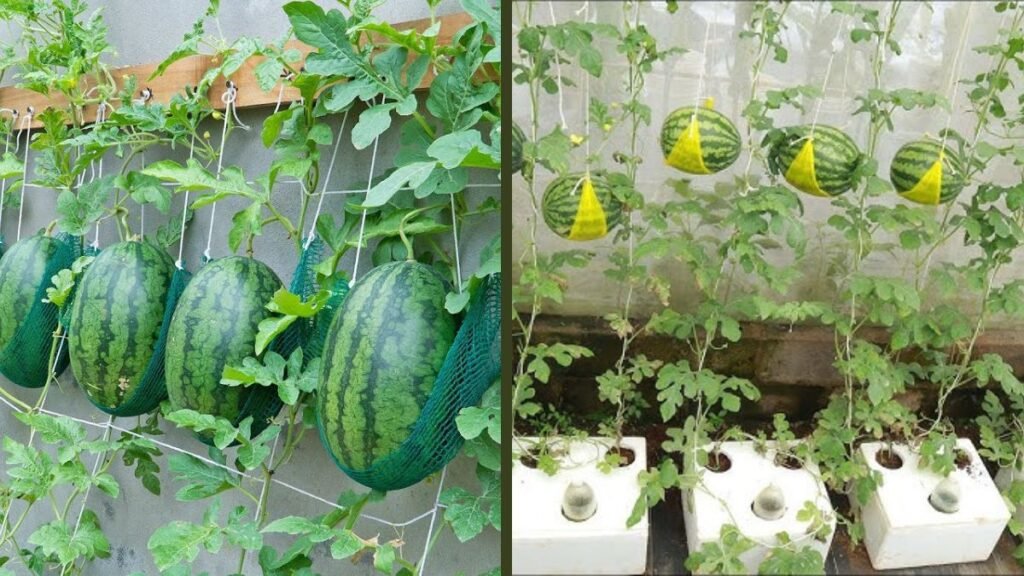
Use nitrogen-rich fertilizer during early growth for leaves and vines. Apply phosphorus and potassium fertilizers during flowering and fruiting to enhance fruit size and sweetness. Organic options like compost tea or well-rotted manure are excellent. Avoid over-fertilizing nitrogen during fruiting to prevent excessive foliage at the expense of fruits. Proper fertilization maximizes yield, size, and flavor.
Pruning and Vine Management
Trim excess vines to focus energy on developing fruits. Remove diseased or weak leaves to improve airflow. Direct vines toward open areas for sunlight exposure. Pruning encourages larger, high-quality watermelons. Proper vine management reduces disease and pest risk. Observing vine growth helps in deciding which shoots to trim or support.
Sunlight Requirements
Watermelons require full sunlight for 6–8 hours daily. Sun exposure promotes photosynthesis, sweetness, and fruit development. Avoid planting in shaded areas or near tall trees. Rotate plants if grown in containers for uniform sunlight. Adequate sunlight ensures strong vines and high-yield fruits.
Pollination for Fruit Set
Watermelon flowers need pollination to produce fruit. Encourage bees and insects or hand-pollinate using a brush. Flowering occurs 35–50 days after sowing, and pollination affects fruit quantity and size. Monitor flowers regularly and remove any damaged blooms. Proper pollination results in multiple, large, juicy watermelons.
Pest and Disease Control
Common pests include aphids, whiteflies, and fruit flies. Diseases like powdery mildew or fusarium wilt affect growth. Use neem oil, organic sprays, and crop rotation to prevent infestations. Remove diseased leaves promptly. Clean surrounding area to reduce pest habitats. Healthy plants produce larger and more fruits with higher sugar content.
Support and Mulching
Place black plastic mulch or straw around fruits to maintain soil moisture and prevent rot. Mulching also keeps fruits clean and reduces weed growth. For small fruits, supports or pads prevent direct contact with wet soil. Proper mulching promotes fruit health, sugar content, and quality.

Harvesting Watermelons
Watermelon is ready for harvest when the tendril near the fruit turns brown, and the skin develops a dull sheen. Tap the fruit; a hollow sound indicates ripeness. Harvest carefully to avoid damaging the vine or fruit. Avoid early picking, as it reduces sweetness. Proper timing ensures maximum taste, size, and shelf life.
Storage and Preservation
Store harvested watermelons in a cool, shaded area. Avoid direct sunlight or cold storage that may reduce flavor. Whole watermelons can last 2–3 weeks, while cut pieces should be refrigerated. Proper storage maintains sweetness and freshness. Homegrown watermelons retain taste better than market varieties.
Common Mistakes to Avoid
Overwatering, poor soil preparation, insufficient sunlight, and lack of pollination reduce yield. Over-fertilizing nitrogen during fruiting leads to leafy vines with smaller fruits. Ignoring pests and diseases affects fruit quality. Avoiding these errors ensures large, sweet watermelons with high yield.
Tips for Continuous Production
Plant watermelon seeds in succession every 2–3 weeks to stagger harvests. Use multiple beds or containers if space is limited. Maintain soil fertility, prune vines, and provide consistent care. Continuous cultivation ensures steady fruit supply throughout the growing season.
Comparison Table: Homegrown vs Market Watermelon
| Feature | Homegrown Watermelon | Market Watermelon |
|---|---|---|
| Sweetness | High, natural | Moderate |
| Chemical Exposure | None | Often higher |
| Fruit Size | Large and uniform | Variable |
| Freshness | Immediate harvest | Days old |
| Nutritional Value | Optimal | Reduced |
| Taste | Juicy, flavorful | Moderate |
Culinary Uses
Watermelon is perfect for fresh consumption, smoothies, juices, and salads. Seeds can also be roasted or used in snacks. Homegrown watermelon offers superior sweetness and flavor. It is ideal for family gatherings and summer meals. Freshly harvested fruits retain vitamins and hydration better than store-bought.
Benefits of Growing at Home
Home cultivation saves money, guarantees quality, and avoids harmful chemicals. Watching vines grow and fruits develop is rewarding. Gardening promotes sustainability, health, and family involvement. Homegrown watermelons ensure fresh, sweet, and juicy fruits anytime. Cultivation enhances knowledge of plant care and produces delicious results.
Conclusion
Growing watermelon at home is achievable with proper soil, sunlight, watering, fertilization, and pest control. Choosing high-yield varieties, pruning vines, mulching, and ensuring pollination maximizes fruit size and sweetness. Succession planting and proper harvesting provide a continuous supply. Home gardening produces chemical-free, tasty, and nutritious watermelons. Implement these tips to enjoy high-yield watermelon harvests in your backyard.