Introduction to Easy Tomato Gardening
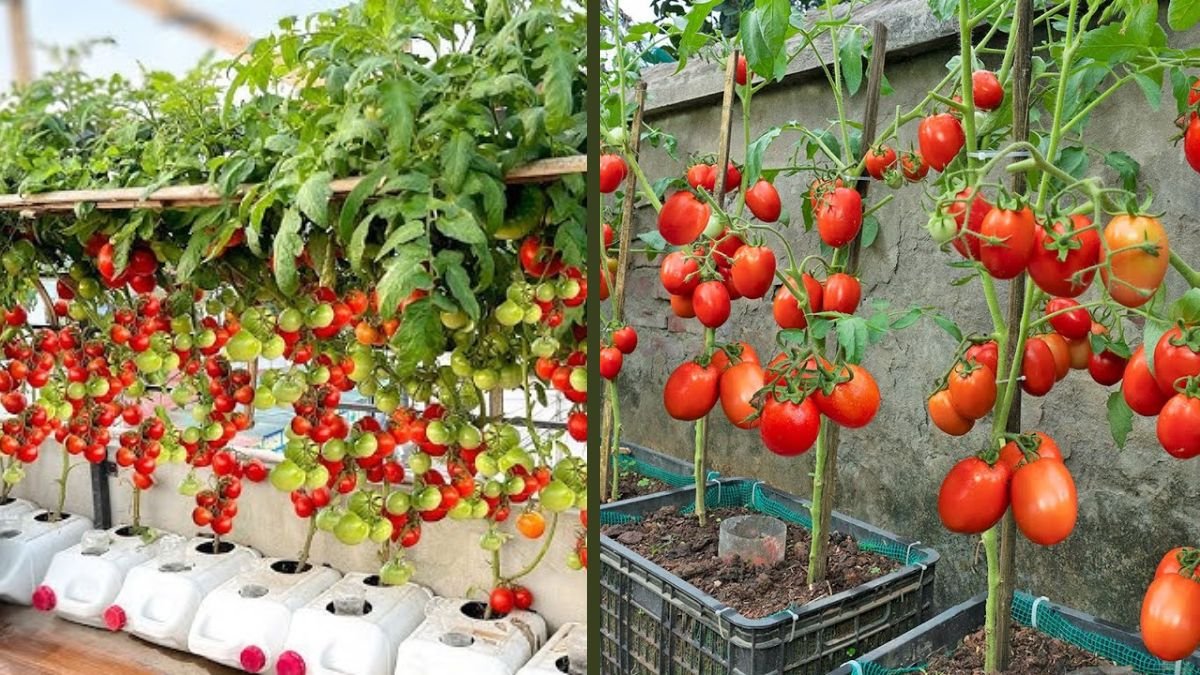
Tomatoes are among the most popular garden vegetables worldwide because they are versatile, nutritious, and rewarding to grow. However, many beginners struggle due to choosing the wrong variety. Selecting the easiest tomato variety can make gardening enjoyable instead of frustrating. Easy varieties are disease-resistant, adaptable, and productive. They grow well in containers, raised beds, and open soil. With proper sunlight and basic care, they reward gardeners with heavy harvests. This guide focuses on stress-free tomato growing for all skill levels.
What Makes a Tomato Variety Easy to Grow
An easy tomato variety requires minimal maintenance and tolerates common mistakes. These tomatoes grow quickly and recover well from stress. They resist pests and common diseases like blight and wilt. Strong root systems help them survive inconsistent watering. Compact or determinate growth habits reduce pruning needs. Easy varieties produce consistently even in imperfect soil. These traits are ideal for beginners and busy gardeners.
Best Easy Tomato Variety: Cherry Tomatoes
Cherry tomatoes are widely considered the easiest tomato variety to grow. They mature quickly and produce fruit continuously. Their small size reduces the risk of cracking and disease. Plants are vigorous and tolerate heat well. Cherry tomatoes grow successfully in pots, balconies, and gardens. They require less fertilizer compared to large-fruited types. Even first-time gardeners enjoy success with cherry tomatoes.
Why Cherry Tomatoes Are Beginner-Friendly
Cherry tomatoes have strong natural resistance to pests. Their fast growth cycle keeps gardeners motivated. They flower and fruit even under mild stress. Pruning requirements are minimal. Pollination occurs easily, even in limited spaces. They adapt well to different climates. This reliability makes them perfect for beginners.
Determinate vs Indeterminate Tomatoes
Determinate tomatoes grow to a fixed height and produce fruit at once. Indeterminate tomatoes grow continuously and need support. Cherry tomatoes are often indeterminate but easy to manage. Determinate varieties suit small spaces. Indeterminate types provide long harvest periods. Choosing the right growth habit simplifies care. Understanding this helps gardeners plan better.
Latest Posts
- With Just 1 Bottle of Water How I Was Shocked by What Happened When Growing Vegetables
- Maximize Your Home Garden with the Hanging Pea Sprout Growing Model – Space-Saving, High-Yield, and Easy-to-Manage Vertical Gardening Solution
- Just Water – The Secret to Growing Plump, White Peanut Sprouts Right at Home: A Step-by-Step Guide for Beginners
- Growing Zucchini at Home in a Container: How to Cultivate Large, Long Fruits with a 1-to-72 Day Step-by-Step Diary for Maximum Yield
- Grow Long Beans on the Terrace in Used Recycling Baskets: The Ultimate Guide to Easy, Space-Saving, and High-Yield Terrace Gardening
- How to Grow Tons of Long Beans Easily Without a Garden – A Complete Guide to Growing Healthy Yardlong Beans Without Fertilizers or Pesticides
- Easy Long Bean Growing Trick – No Garden, No Fertilizer, No Pesticide
- Grow Bitter Melon in Bottles — Harvest So Big You Can’t Eat It All! The Ultimate Guide to Bottle Gardening for Maximum Yields
- Growing Garlic Made Easy: No Soil, Fast Results – The Ultimate Guide to Growing Fresh Garlic Indoors Without Traditional Soil
- Wall-Mounted Hydroponic Watermelon System: Grow Large, Juicy, and Delicious Watermelons at Home with Minimal Space and Maximum Yield
Soil Preparation for Easy Tomatoes
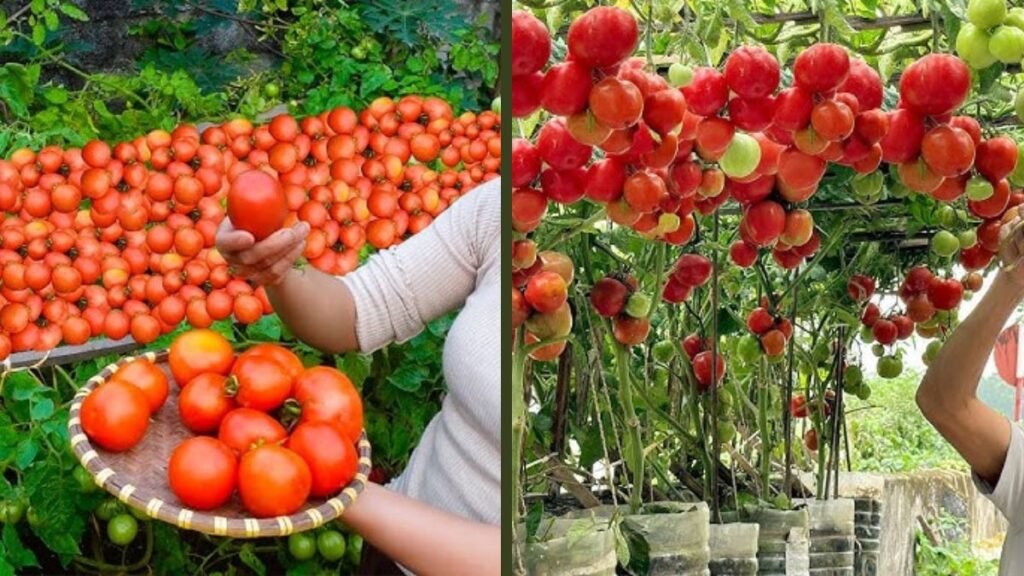
Healthy soil is essential for easy tomato success. Use loose, well-draining soil rich in organic matter. Compost improves nutrient availability and moisture retention. Avoid heavy clay soil without amendments. A soil pH between six and six point eight is ideal. Good soil reduces disease and improves yield.
Sunlight Requirements
Tomatoes thrive in full sunlight for at least six to eight hours daily. More sunlight results in sweeter fruit. Partial shade may reduce yield but still supports growth. Place containers in sunny locations. Avoid shaded corners. Proper light ensures strong stems and healthy leaves.
Watering Made Simple
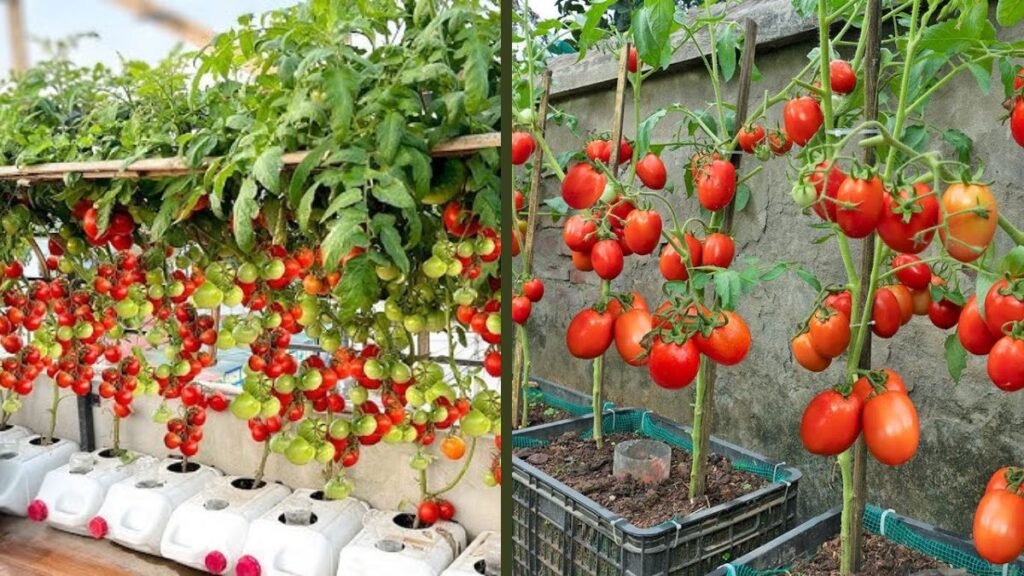
Consistent watering is more important than frequent watering. Deep watering encourages strong roots. Avoid wetting leaves to prevent disease. Morning watering is ideal. Mulching helps retain moisture. Overwatering causes root rot and fruit cracking. Balanced watering ensures healthy plants.
Fertilization for Easy Growth
Use balanced organic fertilizer at planting time. Avoid excess nitrogen, which promotes leaves over fruit. Feed every two to three weeks. Compost tea is a gentle option. Easy varieties do not require heavy feeding. Proper nutrition supports steady fruiting.
Container Gardening with Tomatoes
Cherry tomatoes grow exceptionally well in containers. Use pots with drainage holes. Choose containers at least twelve inches deep. Container gardening allows better control of soil and water. Ideal for balconies and terraces. Easy to manage and highly productive.
Supporting Tomato Plants
Even easy tomatoes need support. Use stakes, cages, or trellises. Support prevents fruit from touching soil. Improves airflow and reduces disease. Keeps plants upright and manageable. Proper support increases yield.
Common Mistakes to Avoid
Overwatering is the most common mistake. Poor drainage causes root problems. Excess fertilizer reduces fruiting. Ignoring pests can lead to damage. Planting in shade reduces yield. Avoid these errors for success.
Pest and Disease Resistance
Easy tomato varieties resist common pests naturally. Healthy plants attract fewer insects. Neem oil works well if needed. Good airflow prevents fungal diseases. Clean gardening practices reduce problems. Prevention is better than cure.
Harvesting Tomatoes Correctly
Harvest tomatoes when fully colored. Regular harvesting encourages more fruit. Use clean hands or scissors. Avoid pulling branches. Fresh harvesting improves taste and shelf life. Enjoy garden-fresh flavor.
Storage and Usage
Fresh tomatoes store best at room temperature. Avoid refrigeration unless necessary. Use immediately for best flavor. Cherry tomatoes are perfect for salads and cooking. Excess harvest can be preserved.
Yield Expectations
Easy tomato varieties produce high yields with little effort. Cherry tomatoes often produce dozens of fruits weekly. Consistent harvesting increases production. Even small gardens can yield plenty.
Seasonal Growing Tips
Plant after frost danger passes. Warm soil speeds growth. In hot climates, provide afternoon shade. In cooler regions, start seeds indoors. Seasonal care improves results.
Table: Easy Tomato Varieties Comparison
| Variety Name | Growth Habit | Container Friendly | Disease Resistance | Harvest Time |
|---|---|---|---|---|
| Cherry Tomato | Indeterminate | Very Suitable | High | Early |
| Roma Tomato | Determinate | Suitable | Medium | Mid |
| Patio Tomato | Determinate | Excellent | High | Early |
| Grape Tomato | Indeterminate | Suitable | High | Early |
Long-Term Benefits of Growing Easy Tomatoes
Easy tomatoes build gardening confidence. They require minimal investment. Improve home food security. Encourage sustainable habits. Provide fresh, healthy food. Gardening becomes enjoyable and rewarding.
Conclusion
Choosing the easiest tomato variety ensures success for beginners and experienced gardeners alike. Cherry tomatoes stand out for reliability, yield, and adaptability. With simple care, anyone can enjoy abundant harvests. Start small, learn naturally, and enjoy fresh tomatoes from your garden.
🎨 AI Image Prompt (2 Half in 1 Image)
“Split image: left half showing young cherry tomato plants growing easily in pots under sunlight, right half showing mature tomato plants loaded with bright red cherry tomatoes in a home garden, ultra-realistic, natural gardening style”
🌱 Maximize Space with Mixed Planting Techniques | Grow More in Less Area
Introduction to Mixed Planting
Mixed planting is a smart gardening technique that allows multiple crops to grow together harmoniously. It helps maximize limited space while improving soil health. This method mimics natural ecosystems. Plants support each other in growth and protection. Mixed planting increases productivity without expanding garden size. Ideal for urban gardeners and small farms.
What Is Mixed Planting
Mixed planting involves growing different plants together instead of single crops. Plants are chosen based on compatibility. Some provide shade, others repel pests. Roots grow at different depths. Nutrient usage becomes balanced. This method increases efficiency naturally.
Benefits of Mixed Planting
Improves soil fertility naturally. Reduces pest pressure. Enhances biodiversity. Maximizes yield per square foot. Reduces need for chemicals. Improves plant health and resilience. Suitable for sustainable gardening.
Companion Planting Explained
Companion planting is a form of mixed planting. Certain plants benefit each other when grown together. Basil enhances tomato growth. Marigold repels pests. Legumes fix nitrogen. Smart combinations improve yield.
Space Optimization Techniques
Tall plants provide shade for smaller crops. Vining plants grow vertically. Root crops occupy underground space. This layered approach uses space efficiently. Ideal for small gardens. Increases total harvest.
Soil Health Improvement
Different plants contribute different nutrients. Leafy crops add organic matter. Legumes enrich nitrogen. Deep roots loosen soil. Soil becomes fertile and alive. Healthy soil supports healthy plants.
Pest Control Through Diversity
Pests spread easily in monoculture. Mixed planting confuses pests. Beneficial insects thrive. Natural balance reduces infestations. Less need for pesticides. Eco-friendly approach.
Water Efficiency
Mixed planting reduces evaporation. Ground cover plants retain moisture. Shaded soil stays cooler. Water usage becomes efficient. Saves resources. Supports sustainable gardening.
Mixed Planting for Small Gardens
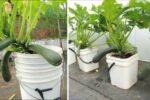
Ideal for balconies and terraces. Containers can host multiple crops. Vertical supports save space. Continuous harvest possible. Perfect for urban lifestyles.
Raised Bed Mixed Planting
Raised beds are perfect for mixed planting. Soil warms faster. Drainage improves. Easy access for maintenance. High productivity in small area.
Seasonal Mixed Planting
Cool-season and warm-season crops can coexist. Early crops harvest before others mature. Continuous use of space. Efficient seasonal planning.
Crop Rotation Benefits
Mixed planting supports natural crop rotation. Reduces soil fatigue. Prevents disease buildup. Maintains long-term soil health.
Mistakes to Avoid
Avoid overcrowding. Choose compatible plants. Maintain proper spacing. Monitor nutrient needs. Avoid aggressive growers. Balance is key.
Table: Common Mixed Planting Combinations
| Main Crop | Companion Plants | Benefits |
|---|---|---|
| Tomato | Basil, Marigold | Pest control, flavor |
| Corn | Beans, Squash | Nitrogen fixing |
| Cabbage | Dill, Onion | Pest deterrent |
| Carrot | Lettuce, Radish | Space efficiency |
Mixed Planting in Containers
Containers support mixed planting easily. Choose plants with similar needs. Maintain proper drainage. Ideal for balconies. Highly productive.
Harvest Planning
Different crops mature at different times. Continuous harvesting frees space. Maximizes productivity. Prevents overcrowding.
Long-Term Garden Sustainability
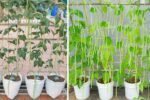
Mixed planting improves soil over time. Reduces chemical dependency. Encourages biodiversity. Supports eco-friendly gardening.
Economic Advantages
More yield from less space. Lower input costs. Ideal for home food production. Profitable for small growers.
Suitable for Beginners
Simple to start. Forgiving method. Encourages learning. Builds confidence. Accessible to all gardeners.
Conclusion
Mixed planting is a powerful technique to maximize space and yield. It improves soil health, controls pests, and supports sustainable gardening. With smart planning, even small spaces can produce abundant harvests. Grow more using nature’s wisdom.