Introduction
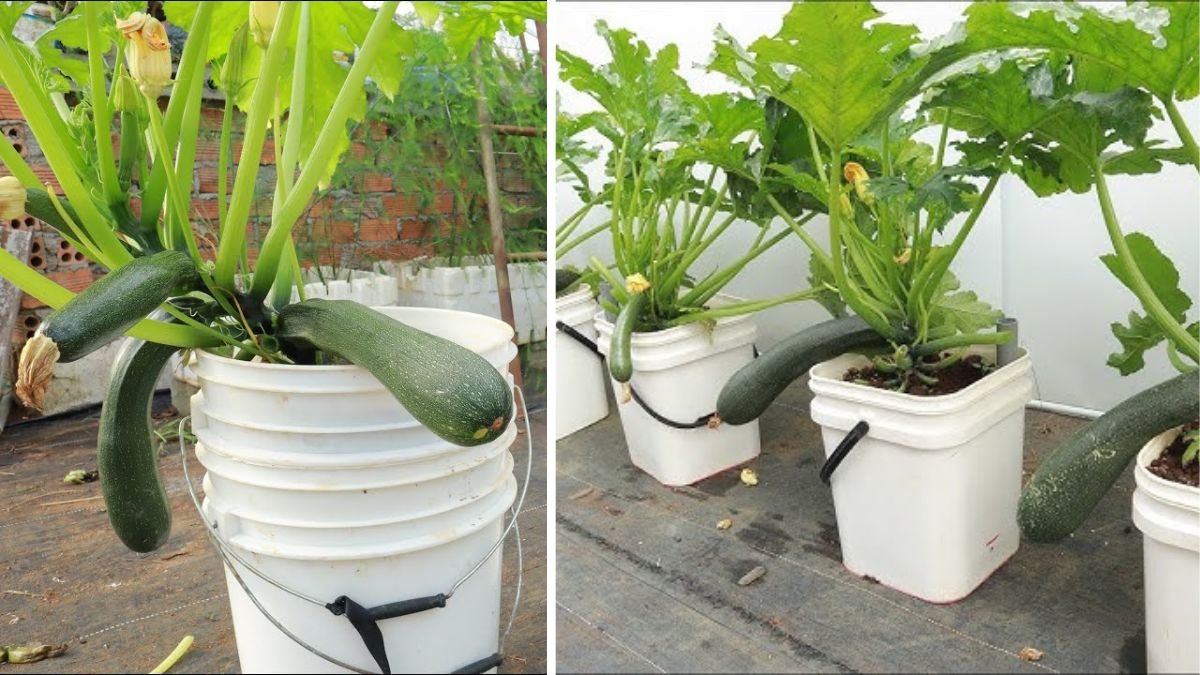
Zucchini, also known as courgette, is one of the most rewarding vegetables to grow at home. Its fast growth, high yield, and versatility in the kitchen make it a favorite among gardeners. But did you know you can grow large, long zucchini fruits right in a container, even if you have only a small balcony or terrace?
This comprehensive guide will take you through a 1-to-72 day zucchini growing diary, helping you track every stage of growth. From planting seeds in a container to harvesting plump fruits, this method ensures success for beginners and seasoned gardeners alike.
Why Choose Container Gardening for Zucchini?
Zucchini is traditionally grown in open garden beds, but container gardening offers unique advantages:
- Ideal for small spaces like balconies and patios
- Easy to manage soil quality and drainage
- Controls pests and diseases better
- Portable containers allow you to adjust sunlight exposure
- Encourages large, uniform fruit production
With the right container, soil, and care, you can enjoy fresh zucchini all season long without needing a full backyard.
Selecting the Perfect Container
Container choice is crucial for zucchini, a plant that produces large fruits and has extensive roots.
Latest Posts
- With Just 1 Bottle of Water How I Was Shocked by What Happened When Growing Vegetables
- Maximize Your Home Garden with the Hanging Pea Sprout Growing Model – Space-Saving, High-Yield, and Easy-to-Manage Vertical Gardening Solution
- Just Water – The Secret to Growing Plump, White Peanut Sprouts Right at Home: A Step-by-Step Guide for Beginners
- Grow Long Beans on the Terrace in Used Recycling Baskets: The Ultimate Guide to Easy, Space-Saving, and High-Yield Terrace Gardening
- How to Grow Tons of Long Beans Easily Without a Garden – A Complete Guide to Growing Healthy Yardlong Beans Without Fertilizers or Pesticides
- Easy Long Bean Growing Trick – No Garden, No Fertilizer, No Pesticide
- Grow Bitter Melon in Bottles — Harvest So Big You Can’t Eat It All! The Ultimate Guide to Bottle Gardening for Maximum Yields
- Growing Garlic Made Easy: No Soil, Fast Results – The Ultimate Guide to Growing Fresh Garlic Indoors Without Traditional Soil
- Wall-Mounted Hydroponic Watermelon System: Grow Large, Juicy, and Delicious Watermelons at Home with Minimal Space and Maximum Yield
- Growing Napa Cabbage the Wrong Way? 99% Make This Mistake – 5 Essential Fixes at
Recommended Container Specifications:
- Size: Minimum 15–20 gallons (60–75 liters)
- Depth: At least 12–15 inches
- Width: 14–18 inches
- Material: Plastic, terracotta, or fabric grow bags
Drainage: Ensure multiple holes at the bottom to prevent waterlogging, which is the most common cause of root rot.
Tip: Recycled containers like large water tanks or food-grade barrels work perfectly. Clean them thoroughly before planting.
Choosing Quality Zucchini Seeds
Select seeds that are known for large, long fruit production. Popular varieties for container growth include:
- Black Beauty
- Costata Romanesco
- Cocozelle
Look for seeds that are:
- Fresh and viable
- Free from cracks or discoloration
- Recommended for your climate
Preparing the Soil Mix
Zucchini thrives in nutrient-rich, well-draining soil. A good potting mix can make the difference between small, stunted fruits and long, juicy zucchinis.
Ideal Container Mix:
- 40% garden soil or topsoil
- 30% compost or vermicompost
- 20% cocopeat or peat moss
- 10% sand or perlite
Optional: Add bone meal for root development, wood ash for potassium, and neem cake for pest prevention.
Day 1–7: Planting and Germination
- Seed Soaking (Optional): Soak seeds in water for 4–6 hours to speed germination.
- Planting: Sow seeds 1 inch deep in the soil, 1–2 seeds per container.
- Watering: Keep soil moist but not soaked.
- Sunlight: Provide 4–6 hours of indirect sunlight daily.
Tip: Use a transparent cover or plastic wrap to retain humidity until seeds sprout.
Day 8–21: Seedling Growth
During this stage, seedlings develop their first true leaves.
- Thinning: Keep the strongest seedling per container.
- Sunlight: Gradually increase direct sunlight to 6 hours per day.
- Watering: Maintain consistent moisture without overwatering.
- Fertilization: Apply diluted organic liquid fertilizer once a week.
Observation: Seedlings grow rapidly and start establishing roots. Healthy leaves should be dark green and firm.
Day 22–35: Vine Development and First Flowers
Zucchini plants begin producing vines and tendrils.

- Support: Not always necessary, but small trellises help save space.
- Pruning: Remove yellow or weak leaves to focus energy on fruit growth.
- Pollination: Male flowers appear first. For balconies, hand-pollinate using a soft brush to ensure fruit set.
- Fertilization: Apply compost tea or well-decomposed manure every two weeks.
Tip: Keep soil mulched to retain moisture and regulate temperature.
Day 36–50: Fruit Formation and Growth
This is the most exciting stage—your zucchini begins to form long, tender fruits.
- Fruit Monitoring: Pick young fruits regularly; harvesting early encourages more production.
- Watering: Deep, consistent watering is crucial for fruit elongation.
- Nutrient Boost: Use potassium-rich fertilizer to support fruit development.
Observation: Fruits grow rapidly—up to 1–2 inches per day under ideal conditions.
Day 51–65: Maximum Fruit Growth
Your zucchini plants are now in full production mode.
- Spacing: Ensure vines are not overcrowded; it affects airflow and sunlight penetration.
- Pest Control: Watch for aphids, whiteflies, and powdery mildew. Use neem oil or organic sprays if necessary.
- Sunlight: Maintain 6–8 hours of sunlight daily.
- Fruit Management: Remove oversized or damaged fruits to redirect energy to healthy fruits.
Tip: Long fruits are best harvested when 8–12 inches for optimal flavor and tenderness.
Day 66–72: Harvest and Record Keeping
Zucchini fruits are ready for harvest when tender and shiny.
- Harvesting Technique: Use a sharp knife or scissors; avoid pulling the fruit to prevent vine damage.
- Harvest Frequency: Every 2–3 days to encourage continuous production.
- Record Keeping: Note dates, fruit size, and quantity. A diary helps improve techniques for the next season.
Observation: Container-grown zucchini can yield up to 5–10 large fruits per plant per week under ideal conditions.
Tips for Continuous Zucchini Production
- Sequential Planting: Sow new seeds every 2–3 weeks for year-round harvest.
- Soil Health: Refresh soil or add compost between crops.
- Sunlight Rotation: Move containers if sunlight is uneven.
- Disease Prevention: Maintain good airflow and avoid wet foliage at night.
Benefits of Container-Grown Zucchini
- Space-Efficient: Perfect for apartments and small patios.
- High Yield: Produces large, long fruits similar to garden-grown plants.
- Cost-Effective: Recycles containers and reduces grocery bills.
- Healthy & Organic: Grow chemical-free produce at home.
- Educational: Great for children and beginners to learn gardening.
Common Challenges and Solutions
| Challenge | Solution |
|---|---|
| Root Rot | Ensure drainage, avoid overwatering |
| Powdery Mildew | Use neem spray, prune crowded leaves |
| Poor Fruit Growth | Increase sunlight, apply potassium-rich fertilizer |
| Pest Infestation | Hand-pick pests, use organic sprays |
With careful attention and routine checks, these issues are easy to manage in container setups.
Conclusion
Growing zucchini at home in a container is a practical, rewarding, and space-saving method for urban gardeners. By following the 1-to-72 day diary, you can track every stage of growth, from germination to harvest, ensuring large, long, and delicious zucchini fruits.
This method is perfect for anyone wanting fresh, home-grown vegetables without needing a traditional garden. With proper care, a well-prepared container, and a little patience, your balcony can be transformed into a productive zucchini paradise—offering nutritious, chemical-free vegetables right at your doorstep.
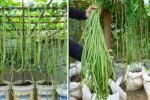
Start today, document your progress, and enjoy the incredible satisfaction of harvesting your very own container-grown zucchinis!