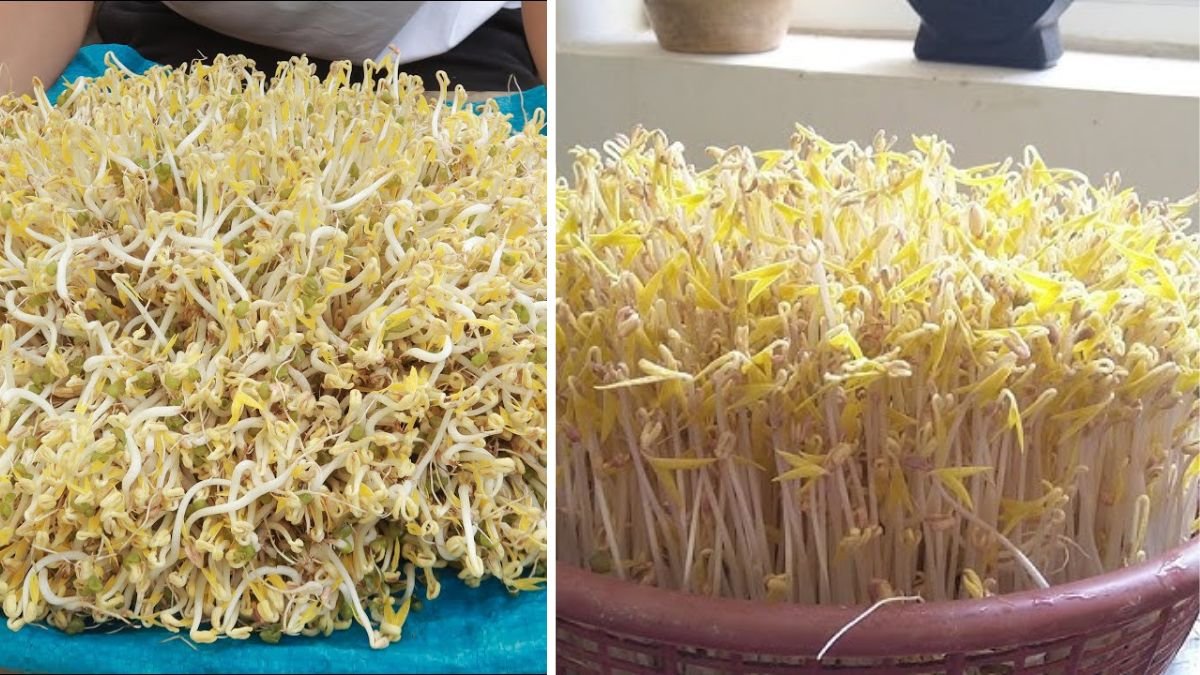
Sprouting beans at home has become an increasingly popular trend among health enthusiasts, gardeners, and DIY food lovers. Sprouts are packed with nutrients, easy to grow, and cost-effective, making them an ideal addition to salads, stir-fries, and sandwiches. While mung beans, alfalfa, and lentils are the most commonly sprouted seeds, peanuts can also be sprouted — offering a unique, nutty flavor and surprising health benefits. If you’re trying peanut sprouts for the first time, the results can be unexpected, fun, and highly rewarding.
In this article, we’ll explore how to sprout peanuts, share tips for beginners, explain why peanut sprouts are beneficial, and compare them to traditional sprouts. This step-by-step guide will help you achieve healthy, crunchy sprouts while avoiding common mistakes.
Why Try Peanut Sprouts?
Peanut sprouts are simply peanuts that have begun to germinate, developing small shoots. Sprouting transforms peanuts from a high-fat snack into a nutrient-dense superfood. The sprouting process increases vitamins, minerals, and antioxidants like resveratrol while reducing anti-nutrients such as phytic acid, which can inhibit mineral absorption.
Unlike common sprouts, peanut sprouts have a distinct nutty flavor and a slightly crunchy texture. They can be enjoyed raw, lightly stir-fried, or incorporated into soups and salads. For those looking to experiment in the kitchen, peanut sprouting offers a unique culinary experience.
Additionally, sprouting peanuts at home is environmentally friendly. It reduces waste by using peanuts that might otherwise be discarded or stored for long periods. Urban gardeners, small-scale farmers, and DIY enthusiasts are increasingly exploring peanut sprouts for their nutritional benefits and versatility.
Latest Posts
- With Just 1 Bottle of Water How I Was Shocked by What Happened When Growing Vegetables
- Maximize Your Home Garden with the Hanging Pea Sprout Growing Model – Space-Saving, High-Yield, and Easy-to-Manage Vertical Gardening Solution
- Just Water – The Secret to Growing Plump, White Peanut Sprouts Right at Home: A Step-by-Step Guide for Beginners
- Growing Zucchini at Home in a Container: How to Cultivate Large, Long Fruits with a 1-to-72 Day Step-by-Step Diary for Maximum Yield
- Grow Long Beans on the Terrace in Used Recycling Baskets: The Ultimate Guide to Easy, Space-Saving, and High-Yield Terrace Gardening
- How to Grow Tons of Long Beans Easily Without a Garden – A Complete Guide to Growing Healthy Yardlong Beans Without Fertilizers or Pesticides
- Easy Long Bean Growing Trick – No Garden, No Fertilizer, No Pesticide
- Grow Bitter Melon in Bottles — Harvest So Big You Can’t Eat It All! The Ultimate Guide to Bottle Gardening for Maximum Yields
- Growing Garlic Made Easy: No Soil, Fast Results – The Ultimate Guide to Growing Fresh Garlic Indoors Without Traditional Soil
- Wall-Mounted Hydroponic Watermelon System: Grow Large, Juicy, and Delicious Watermelons at Home with Minimal Space and Maximum Yield

What You Need to Get Started
Sprouting peanuts is simple, but it requires raw, untreated peanuts. Roasted or salted peanuts will not germinate. You’ll also need:
- A large bowl or jar for soaking
- Filtered water for rinsing
- A sprouting container or tray with drainage holes
- A warm, dark location for germination
Ensuring clean equipment and good-quality peanuts is essential to prevent contamination and encourage healthy sprouting.
Step-by-Step Guide to Sprouting Peanuts
Here’s how to sprout peanuts for the first time:
1. Soak the Peanuts
Place raw peanuts in a large bowl or jar and cover with filtered water. Soak them for 8–12 hours or overnight. Soaking softens the shells and triggers germination, allowing the seeds to begin sprouting.
2. Drain and Rinse
After soaking, drain the water completely and rinse the peanuts thoroughly. This step helps remove any dirt and reduces the risk of mold growth during sprouting.

3. Prepare the Sprouting Container
Transfer the peanuts to a sprouting container or tray with good airflow and drainage. Keeping the peanuts in a warm, dark environment encourages faster germination. Direct sunlight is unnecessary and may damage the sprouts.
4. Rinse Daily
Rinse the peanuts with fresh water twice daily and drain each time. This prevents mold and ensures consistent moisture for the developing sprouts.
5. Observe the Sprouts
Over the next 5–7 days, tiny shoots will emerge. The ideal length for harvesting is 1–2 cm, at which point the sprouts are tender, crunchy, and ready to eat.
6. Taste Test and Adjust
First-time growers may notice a slightly different texture or flavor than traditional bean sprouts. Peanut sprouts have a nutty, slightly fibrous taste that works well in salads, stir-fries, and sandwiches. Cooking lightly enhances their flavor while keeping the crunch intact.
Tips for Successful Peanut Sprouting
Sprouting peanuts is rewarding but can be a bit more challenging than mung beans or alfalfa. Here are some tips for better results:

- Cleanliness is Key: Always use sterilized equipment to avoid bacterial growth.
- Avoid Sunlight Early On: Keep peanuts in a dark, warm place until sprouts are well-developed.
- Proper Drainage: Ensure the container allows water to drain completely to prevent mold.
- Quality Peanuts: Only use raw, untreated peanuts; roasted or salted peanuts will not sprout.
- Be Patient: Sprouting may take slightly longer than other beans; don’t harvest too early.
By following these guidelines, even first-time growers can enjoy a healthy harvest of peanut sprouts.
Nutritional Benefits of Peanut Sprouts
Peanut sprouts offer several health advantages:
- High in Protein: Sprouted peanuts contain more digestible protein than raw peanuts.
- Rich in Vitamins & Minerals: Sprouting increases B-vitamins, vitamin C, and minerals like magnesium and potassium.
- Antioxidant Boost: Sprouting enhances resveratrol content, which has potential cardiovascular and anti-inflammatory benefits.
- Improved Digestion: Sprouting reduces phytic acid, making minerals easier to absorb.
Compared with traditional bean sprouts like mung beans, peanut sprouts are slightly higher in fat but also richer in antioxidants. They are a unique addition to a healthy, balanced diet.
Peanut Sprouts vs. Traditional Bean Sprouts
| Feature | Peanut Sprouts | Mung Bean Sprouts |
|---|---|---|
| Texture | Crunchy, slightly fibrous | Crisp, juicy |
| Flavor | Nutty | Mild |
| Nutritional Content | Higher resveratrol potential | High in vitamins C & A |
| Difficulty Level | Moderate | Easy |
| Use | Salads, stir-fries, sandwiches | Salads, soups, stir-fries |
While mung bean sprouts are easy to grow and widely consumed, peanut sprouts offer a unique flavor profile and added health benefits that make them worth experimenting with.
Unexpected Outcomes for First-Time Growers
Many beginners are surprised at how pleasant peanut sprouts taste. The texture is slightly firmer than traditional sprouts, and the nutty flavor is a welcome change in salads or stir-fried dishes. First-time experiments may sometimes result in uneven sprouting, but adjusting water, light, and temperature usually resolves this.

Interestingly, peanut sprouts also offer an educational experience for anyone interested in plant biology. Watching raw peanuts transform into living sprouts is satisfying and encourages a deeper appreciation for food growth processes.
Creative Ways to Use Peanut Sprouts
Peanut sprouts can be enjoyed in multiple ways:
- Raw in Salads: Adds crunch and a nutty flavor.
- Light Stir-Fry: Pair with vegetables and light seasonings for a nutritious side dish.
- Smoothies: Blend with greens for a nutrient boost.
- Sandwiches or Wraps: Replace traditional sprouts with peanut sprouts for a unique texture.
These versatile sprouts allow you to incorporate them into your diet creatively, making them more than just a novelty.
Authoritative Sources
For credibility and further learning, reference these sources:
- BiologyInsights – Explains how sprouting peanuts enhances nutrients (biologyinsights.com)
- JustGoToChef – Step-by-step guide for sprouting peanuts (justgotochef.com)
- Taim.io – General sprouting techniques for home gardeners (taim.io)
- Wikipedia – Background on mung bean sprouts (en.wikipedia.org)
- YouTube – Viral “First Time Making Bean Sprouts from Peanuts” experiment (youtube.com)
Conclusion
Sprouting peanuts for the first time is a fun, educational, and rewarding project. While slightly more challenging than mung beans or alfalfa sprouts, peanut sprouts provide a unique nutty flavor, crunchy texture, and impressive nutritional benefits. By following the steps above and observing proper hygiene, even first-time growers can enjoy a fresh, healthy harvest of peanut sprouts.

Whether you enjoy them raw in salads, lightly cooked in stir-fries, or blended into smoothies, peanut sprouts offer a creative way to diversify your diet and explore the world of home sprouting. Start your peanut sprouting journey today and discover why [FOCUS KEYWORD] can lead to surprisingly delicious results — one crunchy, nutty sprout at a time.