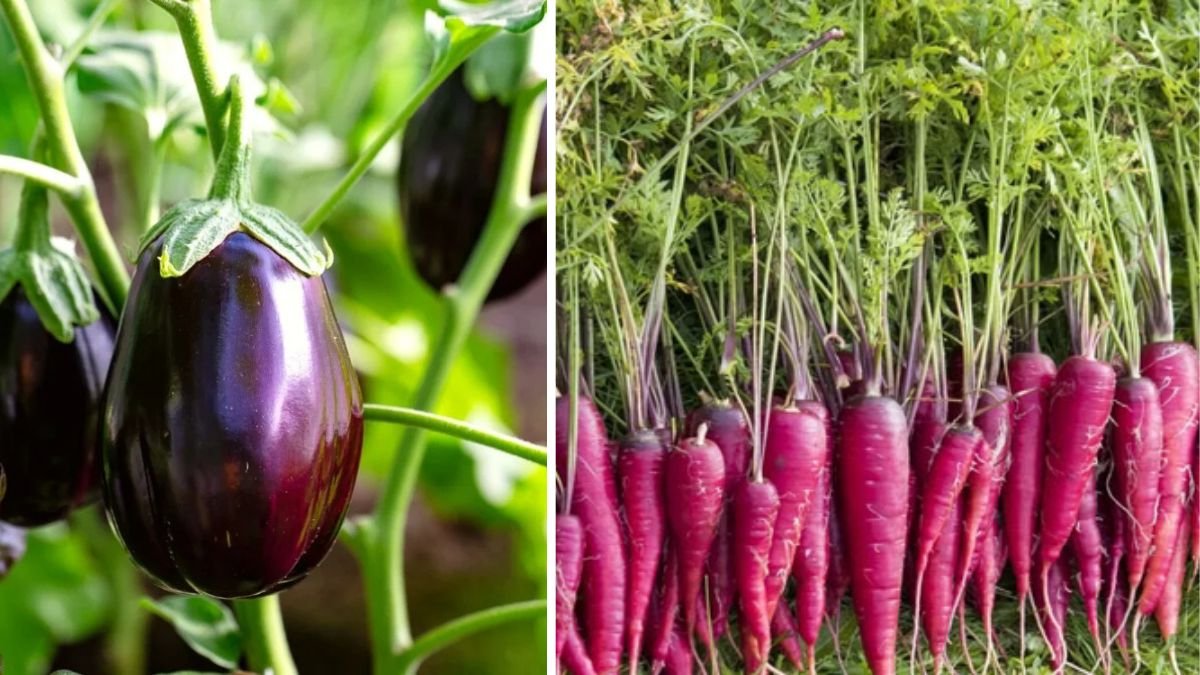
Introduction: Why Purple Vegetables Are Trending
Purple vegetables are captivating gardeners, chefs, and health enthusiasts alike. Purple carrots and eggplants, in particular, have grown in popularity for their vibrant hues, eye-catching appearance, and impressive nutritional profiles. These vegetables aren’t just aesthetically pleasing — they’re rich in anthocyanins, powerful antioxidants that help combat inflammation, support heart health, and may even protect the brain. (healthline.com)
Despite their appeal, many gardeners struggle to grow them successfully. Missteps in planting, variety selection, and care can result in underwhelming or disappointing crops. This article will guide you through the common mistakes to avoid and best practices to grow beautiful, healthy purple carrots and eggplants.
The Appeal of Purple Carrots and Eggplants
Purple carrots and eggplants are more than just colorful garden stars:
- Nutritional Powerhouses: Purple carrots contain higher levels of polyphenol antioxidants than orange carrots. Eggplants owe their deep purple hue to delphinidin, a compound that contributes to overall health and may have neuroprotective effects. (deannaminich.com)
- Culinary Interest: Chefs love purple vegetables for their visual appeal. A salad with purple carrot slices or roasted eggplants adds a pop of color to any dish.
- Garden Trends: Growing colorful vegetables is a rising trend among home gardeners who want both beauty and function in their plots. (idealhome.co.uk)
With their growing popularity comes the need for correct cultivation techniques to ensure your garden produces vibrant, healthy crops.

Common Challenges When Growing Purple Carrots
Purple carrots are genetically distinct from orange varieties, which means they have unique growing requirements and potential pitfalls. Understanding these challenges will help you avoid common mistakes:
Latest Posts
- With Just 1 Bottle of Water How I Was Shocked by What Happened When Growing Vegetables
- Maximize Your Home Garden with the Hanging Pea Sprout Growing Model – Space-Saving, High-Yield, and Easy-to-Manage Vertical Gardening Solution
- Just Water – The Secret to Growing Plump, White Peanut Sprouts Right at Home: A Step-by-Step Guide for Beginners
- Growing Zucchini at Home in a Container: How to Cultivate Large, Long Fruits with a 1-to-72 Day Step-by-Step Diary for Maximum Yield
- Grow Long Beans on the Terrace in Used Recycling Baskets: The Ultimate Guide to Easy, Space-Saving, and High-Yield Terrace Gardening
- How to Grow Tons of Long Beans Easily Without a Garden – A Complete Guide to Growing Healthy Yardlong Beans Without Fertilizers or Pesticides
- Easy Long Bean Growing Trick – No Garden, No Fertilizer, No Pesticide
- Grow Bitter Melon in Bottles — Harvest So Big You Can’t Eat It All! The Ultimate Guide to Bottle Gardening for Maximum Yields
- Growing Garlic Made Easy: No Soil, Fast Results – The Ultimate Guide to Growing Fresh Garlic Indoors Without Traditional Soil
- Wall-Mounted Hydroponic Watermelon System: Grow Large, Juicy, and Delicious Watermelons at Home with Minimal Space and Maximum Yield
1. Flavor and Texture Differences
Some gardeners find purple carrots to be slightly more bitter or woody than traditional orange carrots. This can be influenced by soil type, watering habits, and sunlight exposure. Crowded planting or poor soil can lead to tough, less flavorful roots.
Tip: Thin seedlings as they grow to ensure each carrot has space to develop. Plant in full sun with well-drained, loose soil for optimal flavor. (which.co.uk)
2. Core Color Variation
Some purple carrot varieties naturally have lighter or even white cores. This variation is genetic, not a sign of poor growth. While the outer skin is deep purple, the inner flesh may be paler, which is completely normal.

Tip: Focus on variety selection. Varieties like ‘Purple Haze’ or ‘Thumbelina’ provide consistent color both inside and out. (reddit.com)
3. Growth Conditions Are Crucial
Even purple carrots require classic carrot conditions: loose soil, proper spacing, consistent watering, and sunlight. Ignoring these basics can result in misshapen, stunted, or bitter roots. (blog.thompson-morgan.com)
Expert Tip: Sow seeds thinly and thin seedlings gradually. This reduces competition and ensures each carrot develops fully.
Why Eggplants Sometimes Don’t Turn Out Purple
Eggplants are another favorite purple vegetable, but their growth can be tricky. Many gardeners believe their eggplants have “failed” when they actually misunderstand their growing needs.

1. Moisture Management
Eggplants need consistent soil moisture for juicy, healthy fruits. Overwatering or underwatering can cause bitterness or pale fruit.
Tip: Water deeply and consistently, keeping soil moist but not soggy. Mulching can help retain moisture. (extension.umn.edu)
2. Soil Fertility and Temperature
Eggplants thrive in fertile, well-drained soil with a slightly acidic to neutral pH. Cold soils slow growth and prevent the rich purple color from developing properly.
Tip: Plant eggplants after the last frost and ensure soil temperature is warm. Adding compost improves soil fertility and structure. (epicgardening.com)

3. Light Exposure
Lack of sunlight can result in pale or underdeveloped eggplants. Full sun exposure ensures the fruit develops deep purple pigmentation and grows evenly.
Tip: Space plants adequately to prevent shading. Crowding reduces air circulation and light penetration, affecting color and yield. (harvesttotable.com)
4. Understanding Variety Traits
Not all eggplants mature to the same shade of purple. Some heirloom or hybrid varieties have stripes, lighter patches, or green undertones. This variation is natural and expected. (gardeningknowhow.com)
Common Mistakes to Avoid
To ensure your purple carrots and eggplants flourish, avoid these mistakes:

- Overwatering – leads to root rot in carrots and pale, watery eggplants.
- Ignoring variety traits – different varieties have distinct color patterns, growth needs, and flavor profiles.
- Poor soil preparation – heavy or compacted soil reduces root development and fruit quality.
- Planting too early – eggplants especially need warm soil; planting too soon can stunt growth.
Best Practices for Growing Purple Vegetables
Carrots
- Soil: Loose, sandy, or loamy soil.
- Sun: Full sun for 6–8 hours daily.
- Spacing: Thin seedlings gradually.
- Watering: Consistent, avoid waterlogging.
- Varieties: ‘Thumbelina,’ ‘Purple Haze,’ ‘Little Finger.’
Eggplants
- Soil: Rich, well-drained soil.
- Sun: Full sun exposure.
- Temperature: Warm conditions, planted after frost.
- Watering: Deep, consistent watering.
- Spacing: Adequate airflow to prevent shading and disease.
Authoritative Sources for Further Reading
- Ideal Home – Purple Vegetables Trend: Why purple veggies are gaining popularity and how to grow them. (idealhome.co.uk)
- Which? – How to Grow Carrots: Detailed tips for sowing, spacing, and caring for carrots. (which.co.uk)
- University of Minnesota Extension – Growing Eggplants: Science-based guidance on soil, watering, and harvesting eggplants. (extension.umn.edu)
- Epic Gardening – Eggplant Care Tips: Practical advice for healthier, more productive crops. (epicgardening.com)
- Healthline – Anthocyanins in Purple Foods: Explains the health benefits of purple pigments in vegetables. (healthline.com)
Conclusion: Grow Smart, Grow Colorful
Purple carrots and eggplants are stunning additions to your garden and diet, but they require proper care and understanding. Avoid common mistakes, know your variety, and pay attention to sunlight, soil, spacing, and watering.
Growing purple vegetables is not just about aesthetics — it’s about flavor, nutrition, and enjoyment. With the right approach, your purple carrots and eggplants can thrive, adding both beauty and health benefits to your home garden.
Remember, it’s not impossible to grow these vegetables — it’s all about growing smart, not just growing for color. Follow expert guidance, trust your plants’ natural needs, and your harvest will reward you with vibrant, delicious, and healthy purple vegetables year after year.