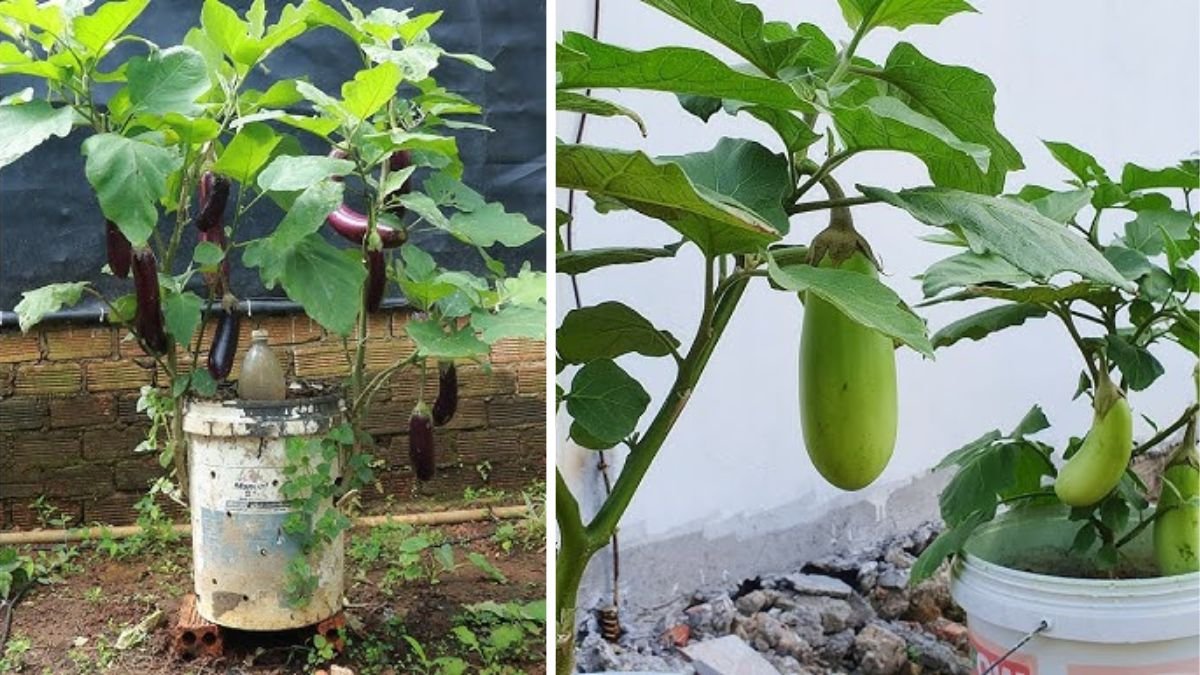
Everyone has a few old paint buckets lying around the house, usually tucked away in a corner of the garage or balcony. Most people consider them trash or simply store them for emergencies. But did you know these forgotten containers can be transformed into productive planters for vegetables, herbs, flowers, and even small fruit plants? Repurposing old paint buckets is a clever, eco-friendly gardening hack that saves money, reduces waste, and can turn any small space into a thriving garden.
In this article, we’ll show you how to clean, prepare, and use paint buckets effectively, share the best plants to grow, and provide tips to ensure your container garden thrives — all while highlighting the secret benefits of bucket gardening.
Why Repurposing Old Buckets Matters
Recycling and repurposing old household items is not only sustainable but also practical. With limited outdoor space in urban environments, gardeners are embracing container gardening as a solution. Old paint buckets are sturdy, portable, and versatile, making them ideal for creating small-scale gardens.
Urban gardening experts have noticed a trend: reusing materials like paint buckets, crates, and tubs helps gardeners maximize space, save money, and reduce plastic waste. Instead of buying expensive pots, these containers can host a variety of plants while giving them a second life. (The Better India)

Benefits of Using Paint Buckets as Planters
Old paint buckets are not only cost-effective, but they also have several advantages for gardening:
Latest Posts
- With Just 1 Bottle of Water How I Was Shocked by What Happened When Growing Vegetables
- Maximize Your Home Garden with the Hanging Pea Sprout Growing Model – Space-Saving, High-Yield, and Easy-to-Manage Vertical Gardening Solution
- Just Water – The Secret to Growing Plump, White Peanut Sprouts Right at Home: A Step-by-Step Guide for Beginners
- Growing Zucchini at Home in a Container: How to Cultivate Large, Long Fruits with a 1-to-72 Day Step-by-Step Diary for Maximum Yield
- Grow Long Beans on the Terrace in Used Recycling Baskets: The Ultimate Guide to Easy, Space-Saving, and High-Yield Terrace Gardening
- How to Grow Tons of Long Beans Easily Without a Garden – A Complete Guide to Growing Healthy Yardlong Beans Without Fertilizers or Pesticides
- Easy Long Bean Growing Trick – No Garden, No Fertilizer, No Pesticide
- Grow Bitter Melon in Bottles — Harvest So Big You Can’t Eat It All! The Ultimate Guide to Bottle Gardening for Maximum Yields
- Growing Garlic Made Easy: No Soil, Fast Results – The Ultimate Guide to Growing Fresh Garlic Indoors Without Traditional Soil
- Wall-Mounted Hydroponic Watermelon System: Grow Large, Juicy, and Delicious Watermelons at Home with Minimal Space and Maximum Yield
- Affordable and Accessible: Most households or nearby businesses often have extra buckets available. (Reddit Gardening Community)
- Space Efficiency: Perfect for balconies, terraces, rooftops, and small backyards.
- Portable: Easily move your plants to follow sunlight or protect them from harsh weather. (Bloomy Heaven)
- Eco-Friendly: Repurposing buckets reduces landfill waste and encourages sustainable living.
- Versatility: Suitable for vegetables, herbs, flowers, and even dwarf fruit plants. (GardeningTips.in)
With the right preparation, these buckets can provide excellent conditions for plant growth and help you create a thriving urban garden.
Preparing Your Paint Buckets for Gardening
Before planting, preparation is key to ensuring your buckets are safe and effective for growing plants.
1. Cleaning the Buckets
Old paint buckets must be cleaned thoroughly to remove paint residues or chemicals. Residue left inside the bucket can harm plants, especially edible ones. Use soap, water, and a scrub brush to clean every surface. For stubborn paint, a mild vinegar solution can help remove stains. (HerZindagi)

2. Creating Drainage Holes
Proper drainage is essential to prevent root rot. Drill several holes at the bottom of the bucket to allow excess water to escape. This ensures roots receive oxygen and do not sit in stagnant water. (Gardening Know How)
3. Adding Soil and Nutrients
Use a well-draining soil mix. A combination of garden soil, compost, and sand in a 2:1:1 ratio works well. This mixture provides nutrients, ensures drainage, and encourages healthy root growth. For vegetables, you can also add organic fertilizers to give your plants a nutrient boost. (EcoCation)
Choosing the Right Plants for Bucket Gardening
Not all plants thrive in containers, so it’s important to choose those suitable for bucket cultivation. Here are some excellent options:
Vegetables
- Tomatoes: Require support like stakes or cages; produce abundantly in buckets.
- Peppers: Both hot and sweet varieties grow well.
- Leafy Greens: Lettuce, spinach, kale, and other greens do well in smaller containers.
- Beans and Peas: Can climb using trellises placed in the bucket. (GardeningTips.in)
Fruits and Small Trees
- Dwarf Fruit Plants: Strawberries, dwarf citrus trees, and small berries can thrive in large buckets. (The Better India)
Flowers and Ornamentals
- Marigolds, Petunias, and Pansies: Add color and attract pollinators.
- Herbs: Basil, mint, parsley, and rosemary are perfect for bucket gardening. (Bloomy Heaven)
By selecting the right plants, you can create a beautiful and functional bucket garden suitable for both aesthetic and edible purposes.

Positioning and Care Tips
Sunlight
Most vegetables and flowering plants need 6–8 hours of direct sunlight per day. Place buckets in spots where they can receive ample sunlight. You can rotate buckets periodically to ensure even growth. (LiveToPlant)
Watering
Buckets dry out faster than garden soil, so maintain consistent moisture. Water when the top inch of soil feels dry but avoid waterlogging. Mulching with organic matter like straw or shredded leaves can help retain soil moisture.
Fertilization
Container plants rely on the nutrients in the soil mix. Use organic fertilizers or compost every few weeks to replenish nutrients. Liquid fertilizers can also provide a quick boost.
Pest and Disease Management
Keep an eye out for pests like aphids, whiteflies, or fungal infections. Regular inspection, proper watering, and good air circulation reduce risks. Companion planting can also help deter pests naturally.

Sustainability and Environmental Benefits
Repurposing old paint buckets into planters contributes to zero-waste living and supports eco-conscious gardening. Benefits include:
- Reducing plastic waste by giving buckets a second life.
- Lowering greenhouse gas emissions by reusing materials instead of manufacturing new pots.
- Encouraging urban greenery which improves air quality and mental well-being. (Times of India)
Bucket gardening is not only practical but also a meaningful way to support sustainable practices at home.
Safety Considerations
While old paint buckets are useful, a few precautions are important:
- Clean Thoroughly: Ensure no paint residue remains, especially if growing edible plants.
- Prefer Food-Grade Buckets: Food-grade plastic buckets are safer for vegetables and herbs.
- Protect from UV Damage: Paint or cover buckets to prevent plastic degradation from prolonged sun exposure. (Reddit Gardening)
Following these guidelines ensures that your bucket garden is safe, productive, and long-lasting.

Step-by-Step Summary
- Clean and prepare the bucket.
- Drill drainage holes at the bottom.
- Fill with a nutrient-rich soil mix.
- Select plants suitable for bucket growth.
- Position in sunlight and water consistently.
- Fertilize periodically and monitor plant health.
- Enjoy fresh produce and flowers from your creative garden!
Authoritative Sources
For more guidance and inspiration, check these resources:
- Gardening Know How: Tips for using buckets and containers in gardening. (gardeningknowhow.com)
- The Better India: Success stories of urban gardeners using recycled containers. (thebetterindia.com)
- Bloomy Heaven: Creative ideas for bucket gardens. (bloomyheaven.com)
- Times of India: Urban gardening and sustainability trends. (timesofindia.indiatimes.com)
Conclusion
Old paint buckets don’t need to sit forgotten in storage or be thrown away. With a little effort, they can become thriving gardens full of vegetables, herbs, flowers, and even small fruits. Not only is this a cost-effective and creative solution, but it also promotes sustainable gardening and reduces waste.
By following the steps outlined above, from cleaning and drilling to planting and caring, you can transform these everyday items into productive, eco-friendly planters. Embrace bucket gardening, experiment with different plants, and watch how these simple containers turn into lush, vibrant gardens, all while making the most of what you already have. 🌱