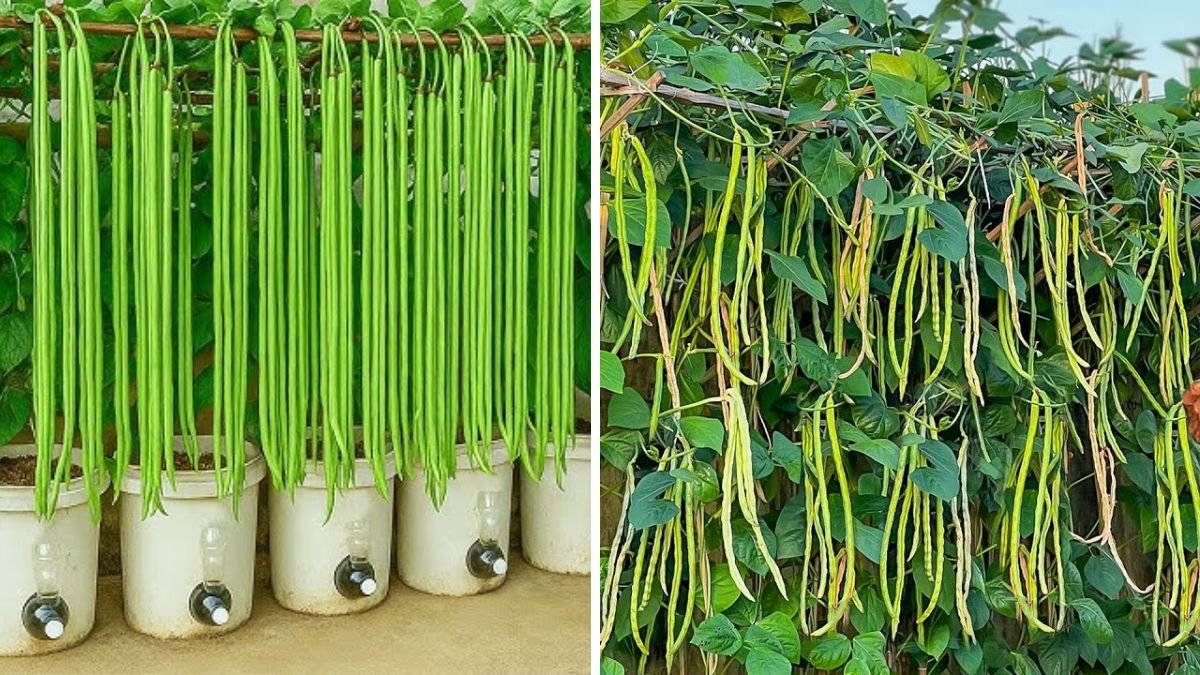
Yardlong beans, also called asparagus beans or Chinese long beans, are a favorite in gardens worldwide for their nutrient-rich, tender pods that can grow up to 12–18 inches long. They are climbing legumes known for fast growth, high yields, and versatility in cooking, making them a prized vegetable for home gardeners. While modern gardening techniques often focus on fertilizers, hybrid seeds, and mechanical tools, many experienced gardeners swear by grandma’s traditional methods — time-tested strategies that produce healthy, robust vines and abundant pods with minimal fuss.
In this article, we’ll share how grandma’s yardlong bean growing method works, why it’s still relevant today, and how you can achieve amazing results in your garden, even if it’s your first time growing these long, delicate beans.
1. Start With Rich, Well-Prepared Soil
The foundation of a successful yardlong bean garden begins with fertile, well-drained soil. Grandma always emphasized preparing the garden bed ahead of planting to ensure plants would thrive. Yardlong beans need soil with plenty of organic matter, a slightly acidic to neutral pH (6.0–7.0), and excellent drainage to support vigorous root growth.
Soil Preparation Tips:
- Incorporate aged compost or well-rotted manure to provide essential nutrients and improve soil structure.
- Loosen soil to at least 12 inches deep to allow roots to penetrate freely and support climbing vines.
- Consider adding crushed eggshells or rice husks to improve drainage and supply trace minerals.
A healthy soil foundation ensures seedlings germinate evenly and develop strong roots, which is the first step toward robust vines and high yields.
2. Plant at the Right Time
Yardlong beans are a warm-season crop, sensitive to frost and cool soil. Planting too early can result in poor germination or stunted seedlings. Grandma always waited until the soil and weather warmed consistently before sowing seeds.
Latest Posts
- With Just 1 Bottle of Water How I Was Shocked by What Happened When Growing Vegetables
- Maximize Your Home Garden with the Hanging Pea Sprout Growing Model – Space-Saving, High-Yield, and Easy-to-Manage Vertical Gardening Solution
- Just Water – The Secret to Growing Plump, White Peanut Sprouts Right at Home: A Step-by-Step Guide for Beginners
- Growing Zucchini at Home in a Container: How to Cultivate Large, Long Fruits with a 1-to-72 Day Step-by-Step Diary for Maximum Yield
- Grow Long Beans on the Terrace in Used Recycling Baskets: The Ultimate Guide to Easy, Space-Saving, and High-Yield Terrace Gardening
- How to Grow Tons of Long Beans Easily Without a Garden – A Complete Guide to Growing Healthy Yardlong Beans Without Fertilizers or Pesticides
- Easy Long Bean Growing Trick – No Garden, No Fertilizer, No Pesticide
- Grow Bitter Melon in Bottles — Harvest So Big You Can’t Eat It All! The Ultimate Guide to Bottle Gardening for Maximum Yields
- Growing Garlic Made Easy: No Soil, Fast Results – The Ultimate Guide to Growing Fresh Garlic Indoors Without Traditional Soil
- Wall-Mounted Hydroponic Watermelon System: Grow Large, Juicy, and Delicious Watermelons at Home with Minimal Space and Maximum Yield
Planting Tips:
- Sow seeds about 1 inch deep in rows or mounds with adequate spacing (3–4 inches between seeds).
- For a continuous harvest, practice succession planting: sow a new batch every 2–3 weeks. This ensures that pods mature over a longer period, giving you a steady supply of fresh beans.
Timing is crucial: planting too early in cool soil delays germination, while planting too late can shorten the harvest window.
3. Full Sun Exposure
Yardlong beans are sun-loving plants. They require at least 6–8 hours of direct sunlight daily to grow vigorously. Sunlight drives photosynthesis, which powers vine growth, flower production, and pod development.
Tip: Avoid shaded areas caused by taller crops or garden structures. Consistent sun exposure leads to stronger stems, more flowers, and larger pods, while insufficient light results in spindly, weak vines.
4. Know Your Bean Type: Climbing vs. Bush
Unlike bush beans, yardlong beans are vigorous climbers, which is a key consideration for spacing and support. Understanding this difference allows gardeners to plan their garden layout and maximize yield:
- Bush Beans: Compact, do not require supports, and mature faster but yield fewer pods over time.
- Climbing Beans (Yardlong Beans): Require trellises, poles, or string supports but produce higher yields and extend the harvest season.
Proper support ensures vines don’t sprawl on the ground, which reduces disease risk and makes harvesting easier.
5. Support Your Climbing Vines
One of the hallmarks of grandma’s method is providing strong support for climbing beans. She often leaned bamboo poles against fences, forming a simple vertical structure. Modern gardeners use trellises, A-frames, or teepees to allow vines to grow upward efficiently.
Support Tips:
- Install supports at the time of planting to avoid disturbing roots later.
- Aim for structures 6–8 feet tall, as yardlong bean vines can grow vigorously.
- Train vines early to encourage vertical growth and prevent tangling.
Proper support not only saves space but also improves air circulation, reduces pest and disease risk, and makes harvesting easier.
6. Water Consistently, But Avoid Overwatering
Consistent moisture is critical for yardlong beans, especially during flowering and pod development. Watering too little can stress plants, reducing pod formation, while overwatering can cause root rot and poor growth.
Watering Guidelines:
- Water deeply once a week, adjusting frequency during hot, dry periods.
- Use mulch to retain soil moisture, suppress weeds, and regulate soil temperature.
- Water at the base of plants to reduce leaf wetness, which can prevent fungal diseases.
Following these guidelines promotes steady, vigorous growth, a principle that aligns perfectly with grandma’s intuitive garden care.
7. Fertilize Wisely
Yardlong beans form a symbiotic relationship with nitrogen-fixing bacteria, allowing them to pull nitrogen from the air. This natural process reduces the need for heavy fertilization.
Feeding Tips:
- Enrich soil with compost or well-rotted manure before planting.
- Avoid excessive nitrogen fertilizers, which encourage leafy growth but fewer pods.
- Use phosphorus- and potassium-rich amendments to support flowering and pod production.
This approach maintains plant health while producing abundant, tender pods, just as grandma’s method does.
8. Pest and Disease Management
Though hardy, yardlong beans can be affected by aphids, spider mites, and fungal diseases. Grandma’s techniques emphasized observation and natural care:
- Inspect plants regularly for pests.
- Encourage beneficial insects like ladybugs and lacewings.
- Apply organic sprays, such as neem oil, if infestations occur.
- Rotate crops each year to reduce soil-borne diseases.
Good spacing, airflow, and support also help prevent fungal problems and maintain healthy vines.
9. Harvest Frequently for Maximum Yield
Frequent harvesting is essential to encourage continuous pod production. Yardlong beans should be picked while young, tender, and about 12–18 inches long, before seeds start to swell.
Harvest Tips:
- Check plants every 1–3 days during peak season.
- Use scissors or garden snips to avoid damaging vines.
- Regular harvesting prevents pods from becoming fibrous and signals the plant to produce more flowers and pods.
By harvesting consistently, you extend your growing season and enjoy long, tender beans all season.
10. Why Grandma’s Method Still Works
Grandma’s approach works because it prioritizes plant health and attention to detail over shortcuts. Focusing on soil fertility, sun, water, support, and careful harvesting produces vigorous vines and high yields.
Recent gardeners and hobbyists report that following her techniques leads to amazing results, confirming that traditional knowledge often aligns perfectly with modern horticultural science. Even in contemporary gardens, her method continues to deliver strong plants, abundant pods, and reliable harvests.
Authoritative Sources
For more detailed information and modern guidance on yardlong bean cultivation:
- Garden Organic – Yard Long Bean Guide: Tips on soil, planting, trellis support, and care. (gardenorganic.org.uk)
- Homes & Gardens – Yardlong Bean Cultivation: Best practices for sun, water, and pest management. (homesandgardens.com)
- VegPlotter – Yardlong Bean Grow Guide: Step-by-step planting, support, and harvesting guide. (vegplotter.com)
- GrowCycle – Yardlong Bean Seed to Harvest: Comprehensive tips for spacing, pruning, and pod picking. (growcycle.com)
Final Thoughts
By following grandma’s yardlong bean growing method, gardeners can enjoy amazing results, even in small backyard gardens. Prioritizing soil health, planting at the right time, providing strong support, consistent watering, and regular harvesting ensures strong vines, abundant pods, and a rewarding harvest.
Combining traditional wisdom with modern gardening knowledge creates a sustainable, low-maintenance approach that works season after season. Whether you’re a beginner or an experienced gardener, following these steps will help you grow healthy, delicious yardlong beans that are as impressive in size as they are in flavor.