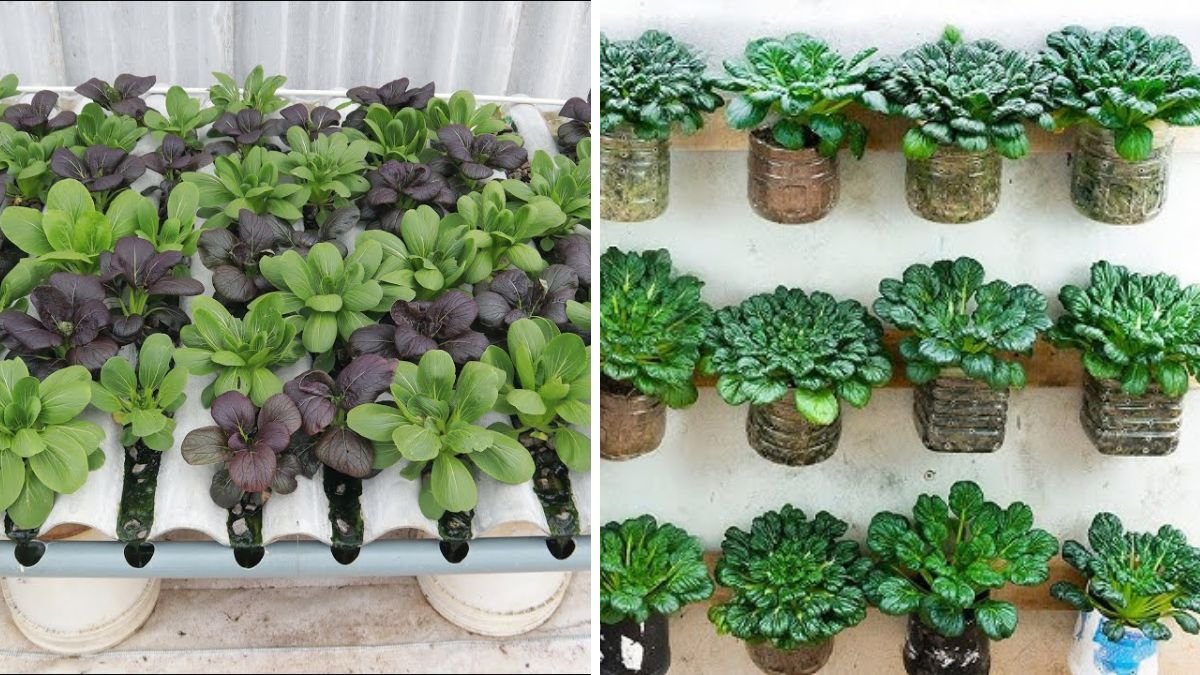
In today’s urban world, not everyone has access to a backyard garden, yet many of us crave fresh, homegrown vegetables. Luckily, advances in gardening technology, soil-free methods, and container systems now make it possible to grow vegetables indoors — even in apartments or small homes. With the right approach, you can enjoy multiple harvests, fresh produce year-round, and minimal maintenance.
This guide explores how to grow vegetables at home without a traditional garden, offering practical tips, techniques, and strategies to maximize yield. By following these methods, you can achieve up to 10 harvests or more per crop cycle and enjoy the freshest vegetables without stepping into a garden.
Why Growing Vegetables Without a Garden is Trending
Urbanization, space constraints, and the rising cost of fresh produce have fueled the popularity of indoor and soil-free vegetable growing. Indoor gardening, hydroponics, and container systems allow households to:
- Grow vegetables efficiently in limited spaces
- Avoid soil-borne pests and diseases
- Reduce water usage compared to traditional gardening
- Harvest fresh produce throughout the year
Research from urban farming initiatives, such as the soil-less crop experiments in Indore, India, shows that vegetables can thrive indoors using nutrient-rich water systems, artificial lighting, and proper care — highlighting the effectiveness of garden-free growing for both beginners and experienced gardeners. (Times of India)
1. Choose the Right Vegetables for Indoor or Container Growing
Success in garden-free vegetable growing starts with selecting plants that thrive in limited spaces and controlled environments. The following vegetables are particularly suited for indoor or container cultivation:
Latest Posts
- With Just 1 Bottle of Water How I Was Shocked by What Happened When Growing Vegetables
- Maximize Your Home Garden with the Hanging Pea Sprout Growing Model – Space-Saving, High-Yield, and Easy-to-Manage Vertical Gardening Solution
- Just Water – The Secret to Growing Plump, White Peanut Sprouts Right at Home: A Step-by-Step Guide for Beginners
- Growing Zucchini at Home in a Container: How to Cultivate Large, Long Fruits with a 1-to-72 Day Step-by-Step Diary for Maximum Yield
- Grow Long Beans on the Terrace in Used Recycling Baskets: The Ultimate Guide to Easy, Space-Saving, and High-Yield Terrace Gardening
- How to Grow Tons of Long Beans Easily Without a Garden – A Complete Guide to Growing Healthy Yardlong Beans Without Fertilizers or Pesticides
- Easy Long Bean Growing Trick – No Garden, No Fertilizer, No Pesticide
- Grow Bitter Melon in Bottles — Harvest So Big You Can’t Eat It All! The Ultimate Guide to Bottle Gardening for Maximum Yields
- Growing Garlic Made Easy: No Soil, Fast Results – The Ultimate Guide to Growing Fresh Garlic Indoors Without Traditional Soil
- Wall-Mounted Hydroponic Watermelon System: Grow Large, Juicy, and Delicious Watermelons at Home with Minimal Space and Maximum Yield
Leafy Greens
Lettuce, spinach, kale, and arugula are fast-growing, easy to manage, and can be harvested multiple times per crop cycle. They are perfect for hydroponic setups or shallow containers. (Farming Hydroponics)
Herbs
Basil, parsley, cilantro, and mint flourish in indoor containers and require minimal care. They respond well to frequent trimming, which encourages continuous growth.
Small Fruiting Vegetables
Dwarf tomatoes, peppers, and cucumbers can be grown indoors with sufficient light. While they need slightly more space and attention, they reward growers with abundant, flavorful harvests.
By starting with these crops, you set the stage for high yields with minimal space and maintenance.
2. Hydroponics: Soil-Free Solutions for Maximum Yield
Hydroponics has revolutionized home vegetable gardening. It allows plants to grow in water enriched with nutrients instead of soil, resulting in faster growth, efficient water use, and higher yields. (Farming Hydroponics)
How Hydroponics Works
Plants are placed in a nutrient-rich water solution, which directly feeds their roots. By eliminating soil, hydroponics reduces the risk of pests, soil diseases, and messy gardening while allowing plants to access nutrients efficiently.
The Kratky Method for Beginners
The Kratky method is a simple, passive hydroponics system. Plants are suspended above a water reservoir containing nutrients. As the water level drops, roots access oxygen naturally, eliminating the need for pumps or electricity. This method is ideal for beginners seeking low-maintenance vegetable production. (Wikipedia)
Hydroponics and the Kratky method allow gardeners to achieve up to 10 harvests per year, depending on the crop and environmental conditions.
3. Container Gardening: Grow Vegetables Anywhere
If hydroponics feels too technical, container gardening is a simple alternative. With the right pots, soil, and light, you can grow vegetables on balconies, windowsills, or even kitchen counters.
Tips for Container Gardening
- Select the right container: Ensure the pot is deep enough for root development and has proper drainage.
- Use quality potting mix: Lightweight, well-draining soil enriched with compost works best.
- Choose suitable crops: Leafy greens, herbs, radishes, mini carrots, and dwarf tomatoes are perfect for pots. (BHG)
Container gardening allows you to rotate crops easily, encouraging multiple harvests without replanting large garden beds.
4. Lighting: Grow Vegetables Year-Round
Light is essential for indoor vegetable growth. While natural sunlight works if you have bright windows, grow lights are often necessary to maintain consistent plant health.
- LED grow lights provide the spectrum plants need for photosynthesis while consuming minimal electricity.
- Position lights 6–12 inches above the plants and run them 12–16 hours per day for optimal growth. (The Spruce)
Proper lighting ensures plants grow vigorously, flower, and produce fruits, even in winter or cloudy climates.
5. Watering and Nutrient Management
Vegetables grown indoors, especially in hydroponic systems, need a balance of water and nutrients:
- Water: Maintain consistent moisture without overwatering in containers. Hydroponic systems provide a constant water supply.
- Nutrients: Leafy greens and herbs require nitrogen-rich nutrients, while fruiting vegetables need more potassium and phosphorus.
- pH levels: Aim for a pH of 5.5–6.5 for most vegetables to ensure proper nutrient absorption. (Biology Insights)
Attention to these factors allows continuous growth and multiple harvest cycles per year.
6. Harvesting Strategies for Maximum Yield
Regular harvesting encourages plants to produce more. Here’s how to get the most out of your indoor garden:
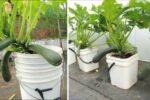
- Leafy greens: Harvest outer leaves first; plants will keep producing inner leaves.
- Herbs: Trim frequently to promote bushier growth.
- Fruiting vegetables: Pick ripe fruits promptly to stimulate new flower and fruit production.
With consistent harvesting, many indoor gardeners report up to 10 harvests per crop cycle — meaning fresh produce every few weeks. (Southern Living)
7. Common Challenges and Easy Fixes
Even indoor growers face challenges, but they are easier to manage than outdoor gardens:
- Pests: Keep plants clean, use organic sprays, or introduce beneficial insects.
- Temperature: Most vegetables prefer 65–75°F. Use heaters or fans to maintain a stable environment.
- Disease: Prevent fungal issues with proper spacing, airflow, and clean containers.
Proactive care ensures healthy plants with minimal effort, making indoor vegetable gardening an efficient and rewarding option.
Authoritative Sources for Further Reading
- Farming Hydroponics: Complete guide to hydroponic vegetables. (Link)
- Wikipedia – Kratky Method: Passive hydroponics explained. (Link)
- Times of India – Indoor Farming in Indore: Soil-less crop experiments. (Link)
- The Spruce – Best Indoor Garden Systems: Year-round indoor growing techniques. (Link)
- Southern Living – Indoor Gardens: Practical tips for growing herbs and vegetables indoors. (Link)
Conclusion: Grow Vegetables Without a Backyard
You don’t need a backyard to enjoy fresh, homegrown vegetables. With hydroponics, container gardening, and modern indoor grow systems, it’s possible to achieve multiple harvests per crop and enjoy year-round fresh produce.
By following the principles of [FOCUS KEYWORD] — selecting fast-growing crops, using soil-free or container systems, managing light and nutrients, and harvesting regularly — you can maximize yield and minimize effort.
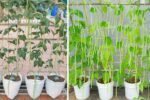
Whether you live in a small apartment or simply want to supplement your diet with fresh vegetables, this approach makes gardening accessible, rewarding, and sustainable. Start small, experiment with a few crops, and watch your indoor garden flourish — no backyard needed.