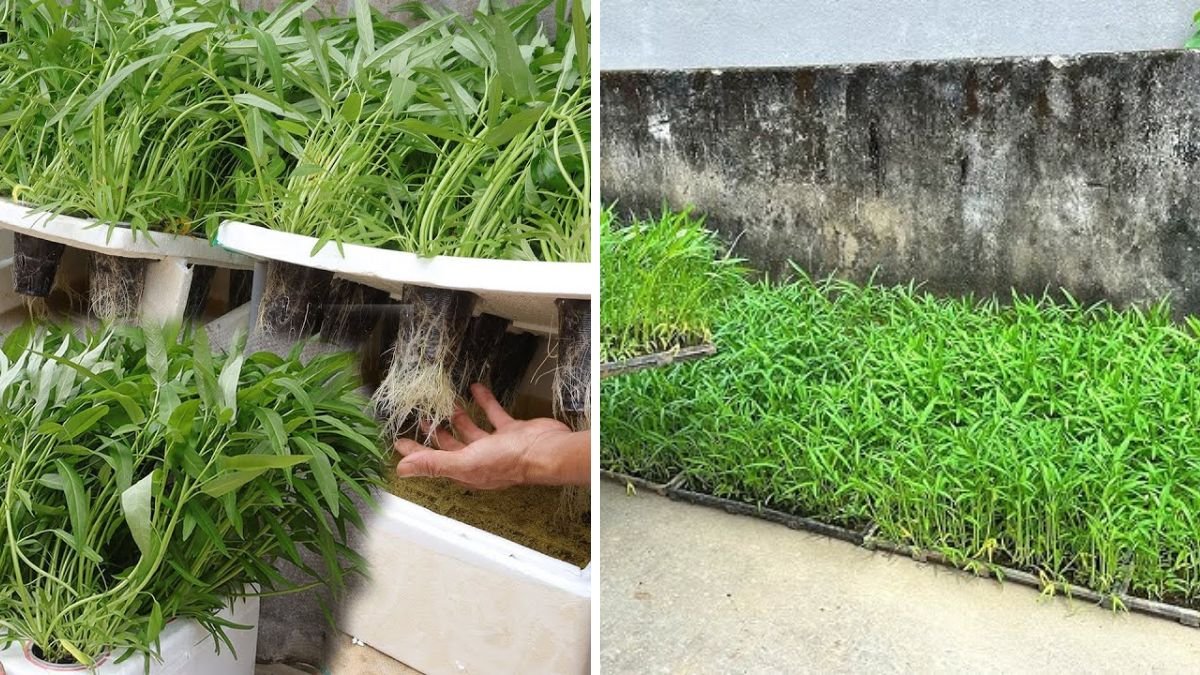
Water spinach, also known as kangkong or Ipomoea aquatica, is one of the most popular leafy greens in Asian cuisine. Its tender stems and nutrient-rich leaves make it perfect for stir-fries, soups, and salads. Traditionally, water spinach is grown in garden beds, wetlands, or shallow ponds. However, not everyone has the luxury of a garden or ample land. Fortunately, it is entirely possible to grow water spinach without a garden and with little land, making it an excellent option for urban gardeners, apartment dwellers, or anyone with limited outdoor space.
This guide explains practical methods, from container gardening to hydroponic systems, for growing water spinach in small spaces. By following these strategies, you can enjoy a steady supply of fresh, homegrown greens throughout the year.
Why Grow Water Spinach at Home?
Growing water spinach at home offers several advantages, particularly for people with limited gardening space:
- Fast-growing crop: Water spinach can be ready for harvest in as little as 30–40 days, and cuttings allow multiple harvests from the same plant.
- Space-saving: Even a balcony, windowsill, or small patio can support container-grown or water-propagated spinach.
- Nutritional value: Water spinach is rich in vitamins A and C, iron, calcium, and antioxidants.
- Cost-effective: Growing your own greens reduces grocery bills while ensuring freshness and quality.
- Sustainable: Cultivating this vegetable at home reduces dependency on commercial produce, which often comes with preservatives or long transportation chains.
Even without traditional garden beds, water spinach can flourish when given proper sunlight, moisture, and care.
Basic Requirements for Water Spinach
To grow water spinach successfully in small spaces, it’s important to understand its key needs:
Latest Posts
- With Just 1 Bottle of Water How I Was Shocked by What Happened When Growing Vegetables
- Maximize Your Home Garden with the Hanging Pea Sprout Growing Model – Space-Saving, High-Yield, and Easy-to-Manage Vertical Gardening Solution
- Just Water – The Secret to Growing Plump, White Peanut Sprouts Right at Home: A Step-by-Step Guide for Beginners
- Growing Zucchini at Home in a Container: How to Cultivate Large, Long Fruits with a 1-to-72 Day Step-by-Step Diary for Maximum Yield
- Grow Long Beans on the Terrace in Used Recycling Baskets: The Ultimate Guide to Easy, Space-Saving, and High-Yield Terrace Gardening
- How to Grow Tons of Long Beans Easily Without a Garden – A Complete Guide to Growing Healthy Yardlong Beans Without Fertilizers or Pesticides
- Easy Long Bean Growing Trick – No Garden, No Fertilizer, No Pesticide
- Grow Bitter Melon in Bottles — Harvest So Big You Can’t Eat It All! The Ultimate Guide to Bottle Gardening for Maximum Yields
- Growing Garlic Made Easy: No Soil, Fast Results – The Ultimate Guide to Growing Fresh Garlic Indoors Without Traditional Soil
- Wall-Mounted Hydroponic Watermelon System: Grow Large, Juicy, and Delicious Watermelons at Home with Minimal Space and Maximum Yield
Sunlight
Water spinach thrives with at least 5–6 hours of sunlight per day, though it can tolerate partial shade in hotter climates. Consistent light promotes healthy leaf growth and strong stems.
Water and Moisture
While water spinach naturally grows in wet environments, it can also thrive in containers or water-propagated systems. Consistent moisture is crucial, but soil should not be waterlogged, as this may cause root rot.
Warm Temperatures
Water spinach prefers warm conditions. In cooler climates, growing it indoors near a bright window or under grow lights can maintain steady growth.
Soil or Growing Medium
If using containers, a well-draining, nutrient-rich soil blend works best. A combination of garden soil, compost, and sand or coco peat ensures moisture retention while allowing roots to expand freely.
Growing Water Spinach Without a Garden
Even without a traditional garden, you can grow water spinach using creative methods. Below are the most effective techniques for small spaces.
1. Container Gardening
Containers are a simple and versatile option for small-space cultivation.
- Choose the right container: Pots should be at least 12 inches wide and deep, with drainage holes.
- Use nutrient-rich soil: Mix garden soil, compost, and sand or coco peat to create a fertile growing medium.
- Plant seeds or seedlings: Sow seeds lightly or transplant healthy seedlings. Maintain spacing of 8–10 inches to avoid overcrowding.
- Water consistently: Keep the soil moist but avoid waterlogging. Daily watering may be necessary in hot weather.
With proper care, container-grown water spinach can grow as vigorously as garden-planted crops, producing tender leaves ready for harvest in a month.
2. Self-Watering Bottle or Soilless Planters
For those with very limited land or no soil access, self-watering bottles and container-based hydroponic setups offer practical alternatives:
- Prepare the bottle: Cut a plastic bottle horizontally or vertically. Create drainage holes if planting in soil.
- Add water or growing medium: Fill the bottom with water or a soil-coco peat mix. Ensure roots can access moisture consistently.
- Plant cuttings or seedlings: Use young cuttings or seedlings for faster growth.
- Maintain sunlight and water: Place bottles in a sunny spot and refill water as needed.
This method turns common household items into productive planters, enabling you to grow water spinach even on small balconies or indoors.
3. Grow from Cuttings in Water
Water spinach roots easily from cuttings, making it ideal for soil-less or land-free cultivation.

- Take cuttings: Select healthy 6–8 inch stems with several nodes.
- Place in water: Submerge the lower nodes in a jar or container filled with water.
- Roots form quickly: Within 5–7 days, roots will appear, after which the plant can continue growing in water or be transplanted into soil.
- Harvest carefully: Once established, the plant will produce tender leaves that can be harvested repeatedly.
This method is extremely space-efficient and perfect for indoor growth, requiring only a jar of water and adequate sunlight.
4. Hydroponic or Aeroponic Systems
For maximum yield with minimal land, hydroponic and aeroponic systems are highly effective:
- Hydroponics: Water spinach grows in nutrient-rich water instead of soil. Plants are supported by foam or net pots, allowing rapid growth and easy nutrient absorption.
- Aeroponics: Plants grow vertically in a tower with roots suspended in air and misted with nutrients. This setup allows dozens of plants in a very small footprint.
While more advanced, these systems are ideal for urban growers or community setups, enabling year-round production with minimal space.
Planting, Care, and Harvesting Tips
To maximize growth and yield:
- Propagation: Use seeds or cuttings. Cuttings often root faster and produce quicker harvests.
- Spacing: Allow 8–10 inches between plants in containers to avoid overcrowding.
- Watering: Keep soil or water consistently moist for steady growth.
- Sunlight: Ensure at least 5–6 hours of direct sunlight per day.
- Harvesting: Start harvesting after 30–40 days. Cut stems 5–6 inches from the base to encourage regrowth. Younger shoots are more tender and flavorful.
- Multiple harvests: Water spinach is a cut-and-come-again plant. Regular trimming encourages continuous leaf production.
With consistent care, one small container or water propagation setup can supply fresh greens throughout the season.
Urban and Soil-Less Gardening Context
As cities expand and land becomes scarce, urban gardeners increasingly rely on container and soil-less systems to grow food. Methods like bottle gardening, hydroponics, and indoor cuttings provide fresh, chemical-free vegetables without needing traditional garden space. Schools, apartments, and rooftop farms worldwide are adopting these approaches to supplement food supply and teach sustainable gardening practices.
Such small-space gardening techniques not only provide food security but also encourage eco-conscious habits by reducing waste, reusing containers, and minimizing transportation-related carbon emissions.
Suggested Authoritative Sources
For detailed guidance on growing water spinach in limited spaces, these sources are highly recommended:
- Seedy Farm – Growing Water Spinach Guide: Tips on containers and spacing. (seedy.farm)
- Chhatrapati Shivaji Maharaj Park – Expert Growing Tips: Soil, propagation, care, and pruning. (chhatrapatishivajimaharajpark.com)
- Terramater Gardens – Water Spinach Seeds & Info: Growing conditions and harvest guidance. (terramatergardens.com)
- Plants and Garden Tips – Self-Watering Bottle Systems: How to grow without soil. (plantsandgardenstips.com)
These resources provide step-by-step instructions, images, and practical advice for urban and container gardening.
Conclusion
Growing water spinach without a garden and with little land is not only possible but surprisingly easy. By leveraging container gardening, water propagation, or hydroponic systems, you can enjoy fresh, nutrient-rich greens year-round. Even small balconies, windowsills, or kitchen corners can be transformed into productive vegetable spaces.
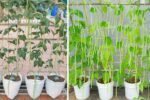
With minimal investment, consistent care, and the right sunlight and water, urban gardeners can harvest multiple batches of tender water spinach within weeks. This approach promotes sustainable living, reduces food costs, and encourages a closer connection to the food you eat.
Whether using jars, bottles, pots, or advanced vertical systems, growing water spinach in small spaces is a practical, rewarding, and eco-friendly solution that ensures fresh greens are always within reach.