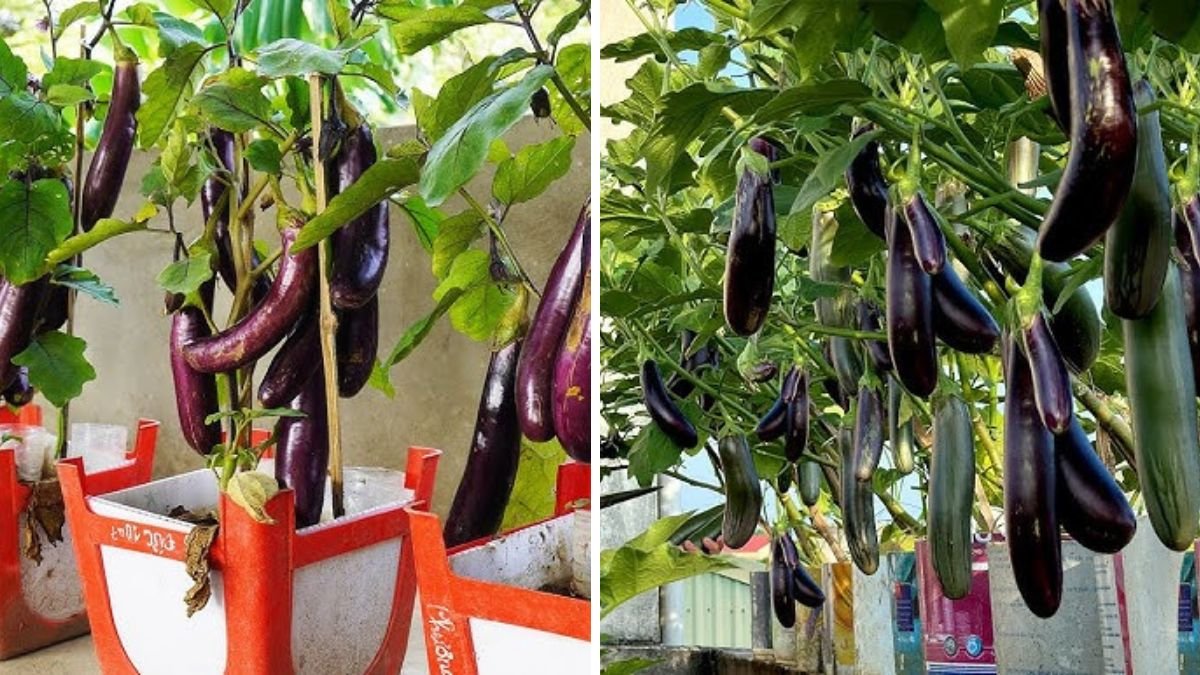
Eggplants, also known as aubergines or brinjals, are a favorite in home gardens worldwide. They are versatile in the kitchen, nutritionally rich, and highly rewarding to grow. Yet cultivating eggplants organically, without chemicals, can seem daunting — pests, soil fertility, and fruit production are all factors that need attention. The good news is that with the right strategies, growing super top organic eggplants without chemicals is entirely possible. This guide covers up-to-date techniques, expert tips, and low-impact methods that yield healthy, flavorful eggplants.
Why Organic Eggplant Gardening Matters in 2026
Organic gardening continues to gain momentum as more home growers prioritize chemical-free food and sustainable practices. Eggplants, being heavy feeders, traditionally require fertilizers and pesticides to reach high yields. However, chemical inputs can have harmful effects on the environment and human health. Reports show that conventional produce often carries pesticide residues, motivating gardeners to adopt organic methods that protect both people and ecosystems. (ewg.org)
Additionally, advances in organic cultivation and integrated pest management (IPM) techniques have made it easier than ever to grow high-quality eggplants without relying on chemicals. From companion planting to natural fertilizers, modern gardeners have access to a wide range of cost-effective, sustainable strategies.
1. Start With High-Quality Organic Soil
Healthy eggplants begin with nutrient-rich, well-drained soil. Organic matter enhances fertility, improves soil structure, and supports root development — all critical when avoiding synthetic fertilizers.
Tips for soil preparation:
Latest Posts
- With Just 1 Bottle of Water How I Was Shocked by What Happened When Growing Vegetables
- Maximize Your Home Garden with the Hanging Pea Sprout Growing Model – Space-Saving, High-Yield, and Easy-to-Manage Vertical Gardening Solution
- Just Water – The Secret to Growing Plump, White Peanut Sprouts Right at Home: A Step-by-Step Guide for Beginners
- Growing Zucchini at Home in a Container: How to Cultivate Large, Long Fruits with a 1-to-72 Day Step-by-Step Diary for Maximum Yield
- Grow Long Beans on the Terrace in Used Recycling Baskets: The Ultimate Guide to Easy, Space-Saving, and High-Yield Terrace Gardening
- How to Grow Tons of Long Beans Easily Without a Garden – A Complete Guide to Growing Healthy Yardlong Beans Without Fertilizers or Pesticides
- Easy Long Bean Growing Trick – No Garden, No Fertilizer, No Pesticide
- Grow Bitter Melon in Bottles — Harvest So Big You Can’t Eat It All! The Ultimate Guide to Bottle Gardening for Maximum Yields
- Growing Garlic Made Easy: No Soil, Fast Results – The Ultimate Guide to Growing Fresh Garlic Indoors Without Traditional Soil
- Wall-Mounted Hydroponic Watermelon System: Grow Large, Juicy, and Delicious Watermelons at Home with Minimal Space and Maximum Yield

- Incorporate compost or aged manure into the top 6–8 inches of soil.
- Add perlite or coarse sand to improve drainage in clay-heavy soils.
- Consider raised beds if your soil is prone to waterlogging.
Organic soil preparation not only nourishes the plants but also fosters a thriving microbial ecosystem, which naturally suppresses some diseases and boosts nutrient uptake. (theultimatehomestead.com)
2. Choose the Right Eggplant Varieties
Selecting the appropriate variety for your climate and garden space improves your chances of a successful harvest. Some eggplants are naturally resistant to common diseases, while others are compact and better suited for container growing.
Variety selection tips:
- Opt for disease-resistant cultivars to reduce pest pressure naturally.
- Use dwarf or patio types for small spaces; these varieties are easier to manage organically.
- Start seeds indoors 8–10 weeks before the last frost to ensure strong seedlings. (sustainablegardeningnews.com)
Using the right variety reduces the need for chemical interventions while boosting plant vigor.
3. Feed Your Eggplants Organically
Eggplants are heavy feeders, so maintaining soil fertility is crucial. Organic methods provide nutrients naturally without chemical fertilizers.
Organic fertilization strategies:
- Mix compost or well-rotted manure into the soil before planting.
- Apply worm castings or compost tea as monthly side-dressings.
- Foliar sprays of kelp or seaweed extract provide micronutrients and stimulate growth.
Regular feeding ensures healthy flowering and fruiting, allowing your eggplants to reach their full potential naturally. (sustainablegardeningnews.com)
4. Control Pests Naturally
Pests are one of the biggest challenges in chemical-free eggplant gardening. The key is to use organic strategies that protect plants while supporting beneficial insects.
Organic pest control tips:
- Attract ladybugs, lacewings, and parasitic wasps by planting pollinator-friendly flowers nearby.
- Use neem oil or botanical insecticides if infestations become severe.
- Employ physical barriers like row covers or mesh to prevent access from larger pests. (farmonaut.com)
By combining these approaches, you can maintain healthy plants without relying on synthetic chemicals.

5. Manage Weeds Organically
Weeds compete with eggplants for nutrients, water, and sunlight. Instead of chemical herbicides, adopt organic weed control methods:
- Hand-pull weeds regularly or hoe lightly between rows.
- Use thick organic mulch such as straw, leaves, or grass clippings to suppress weed growth.
- Pre-irrigate your beds before planting to encourage weed germination, then remove them before transplanting. (ipm.ucanr.edu)
Mulching also helps retain soil moisture and improves soil health — a dual benefit in chemical-free gardens.
6. Provide Ideal Growing Conditions
Eggplants thrive in warm, sunny environments. Optimizing cultural conditions reduces stress and encourages high yields naturally.
Key conditions:
- Ensure 6–8 hours of sunlight per day. Morning sun is particularly beneficial.
- Maintain deep but infrequent watering, keeping leaves dry to reduce fungal problems.
- Space plants adequately and prune lower branches to improve airflow. (bhagirathmarket.com)
Healthy cultural practices often eliminate the need for interventions later.
7. Encourage Natural Pollination
While eggplant flowers are self-fertile, better pollination improves fruit set and size. Organic methods to support pollination include:
- Planting companion flowers like marigolds or basil to attract bees and other pollinators.
- Gently hand-pollinating flowers with a soft brush if pollinator activity is low. (growveg.com)
These techniques increase fruit production without any chemical assistance.
8. Harvest and Ongoing Care
Eggplants are typically ready for harvest 70–80 days after planting, depending on the variety. Harvest when fruit is firm and glossy, cutting carefully to avoid plant damage.
Continued care for maximum yield:
- Maintain weed control throughout the season.
- Mulch continuously to conserve moisture.
- Monitor for nutrient deficiencies and apply organic amendments when necessary. (masterclass.com)
Regular harvest encourages plants to keep producing new flowers and fruit.
Recommended Authoritative Sources
For more detailed guidance and up-to-date organic practices:
- UC IPM: Weed Management for Organic Eggplant Production (ipm.ucanr.edu)
- Organic Eggplant Growing Guide (Sustainable Gardening News) (sustainablegardeningnews.com)
- 5 Tips for Growing Excellent Eggplant (GrowVeg) (growveg.com)
- MasterClass Eggplant Growing Guide (masterclass.com)
Conclusion: Achieve Super Top Organic Eggplants Naturally
Growing super top organic eggplants without chemicals is entirely feasible with planning, patience, and attention to natural practices. From building nutrient-rich soil and choosing disease-resistant varieties to managing pests and weeds organically, each step contributes to a healthy, high-yield garden.
With careful cultural practices and ongoing care, your eggplants will flourish, producing abundant, flavorful fruit season after season — all while staying chemical-free, sustainable, and safe for your family and the environment.
By following these tips, you can transform any backyard or garden space into a thriving, productive organic eggplant patch — proving that chemical-free gardening can yield exceptional results.