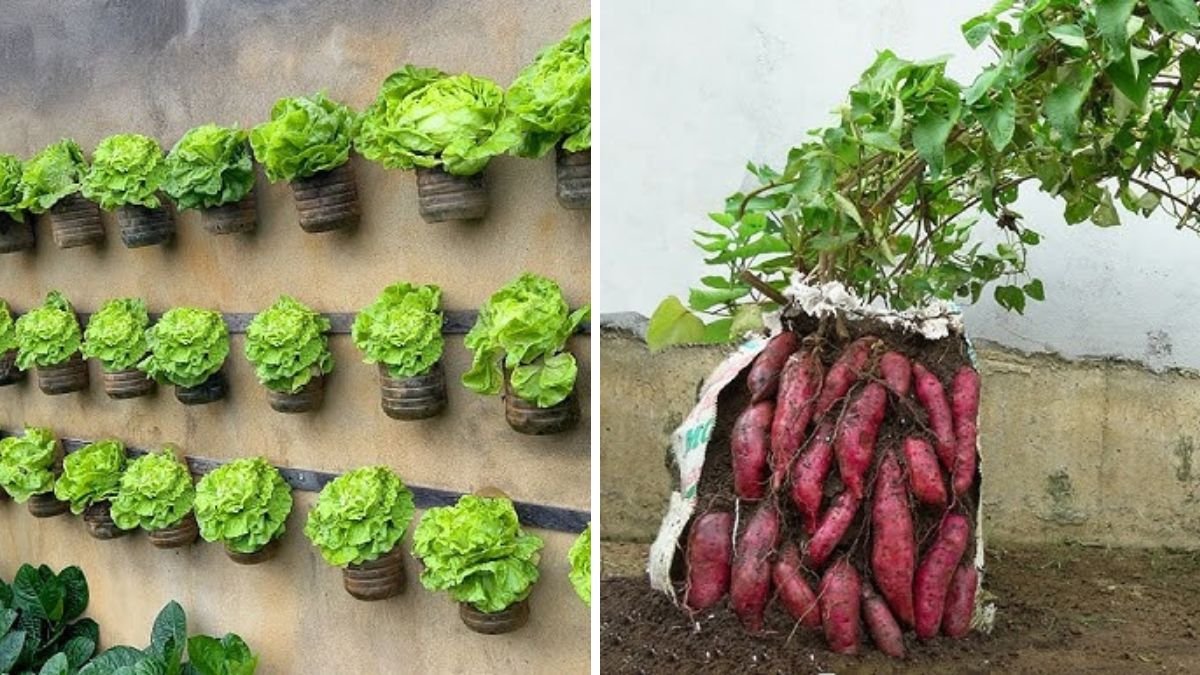
Introduction: A Water-Smart Gardening Revolution
Water scarcity, shrinking farmland, and climate change are pushing gardeners and farmers to adopt innovative, resource-efficient methods for growing food. One of the most exciting developments is the ability to grow vegetables without watering in the traditional sense. This is not about ignoring water completely; instead, it involves using systems that drastically reduce or eliminate conventional irrigation while still producing healthy, nutritious vegetables.
These methods are increasingly recognized as a convenient solution for urban gardening, rooftop cultivation, and areas where water is limited. From hydroponics and passive nutrient systems to aquaponics and container soilless gardening, innovative techniques now allow vegetables to flourish with minimal water. This article explores the latest strategies, practical tips, and examples from India and worldwide for growing vegetables sustainably without relying on traditional watering.
Understanding the Concept
Growing vegetables without conventional watering doesn’t mean plants survive with no water. It refers to systems where plants receive nutrients and moisture in a controlled way, eliminating the need for constant soil irrigation.
Common approaches include:
- Hydroponics: Plants grow in nutrient-rich water instead of soil.
- Passive Hydroponics (Kratky Method): A low-maintenance system where plants absorb water from a reservoir as needed.
- Aquaponics: Combining fish farming with plant cultivation to create a nutrient-rich water cycle.
- Container and rooftop soilless gardening: Optimized for minimal water usage and urban settings.
These methods conserve water, reduce labor, and allow continuous vegetable production even in limited spaces. (NDTV Rajasthan)
Latest Posts
- With Just 1 Bottle of Water How I Was Shocked by What Happened When Growing Vegetables
- Maximize Your Home Garden with the Hanging Pea Sprout Growing Model – Space-Saving, High-Yield, and Easy-to-Manage Vertical Gardening Solution
- Just Water – The Secret to Growing Plump, White Peanut Sprouts Right at Home: A Step-by-Step Guide for Beginners
- Growing Zucchini at Home in a Container: How to Cultivate Large, Long Fruits with a 1-to-72 Day Step-by-Step Diary for Maximum Yield
- Grow Long Beans on the Terrace in Used Recycling Baskets: The Ultimate Guide to Easy, Space-Saving, and High-Yield Terrace Gardening
- How to Grow Tons of Long Beans Easily Without a Garden – A Complete Guide to Growing Healthy Yardlong Beans Without Fertilizers or Pesticides
- Easy Long Bean Growing Trick – No Garden, No Fertilizer, No Pesticide
- Grow Bitter Melon in Bottles — Harvest So Big You Can’t Eat It All! The Ultimate Guide to Bottle Gardening for Maximum Yields
- Growing Garlic Made Easy: No Soil, Fast Results – The Ultimate Guide to Growing Fresh Garlic Indoors Without Traditional Soil
- Wall-Mounted Hydroponic Watermelon System: Grow Large, Juicy, and Delicious Watermelons at Home with Minimal Space and Maximum Yield
Innovations in India: No-Soil, Low-Water Vegetable Farming
India is at the forefront of adopting hydroponic and soilless systems:
Hydroponics in Rajasthan
In Bundi, Rajasthan, a government initiative has trained farmers to grow vegetables in nutrient-rich water solutions without traditional soil or irrigation. Crops like spinach, tomatoes, and lettuce are thriving in these systems, offering high yields with minimal water. (NDTV Rajasthan)
DIY Hydroponics in Bihar
A farmer in Vaishali, Bihar, has built a simple hydroponic setup using PVC pipes and coconut husk as a growing medium. By circulating nutrient solutions, he grows dozens of vegetable varieties on his rooftop with minimal water, proving that even small spaces can produce abundant food without a garden. (NDTV Bihar)
Hydroponics in Noida
In Noida, a government college has implemented a hydroponic system that grows herbs, salad greens, and tomatoes using nutrient solutions rather than conventional soil irrigation. Students and farmers alike benefit from a low-water, high-yield model suitable for urban settings. (Amar Ujala)
Key Techniques for Growing Vegetables Without Watering
Hydroponic Cultivation
Hydroponics suspends plant roots in nutrient-rich water, bypassing soil entirely. By controlling the water and nutrients, hydroponics reduces overall water use by up to 90% compared to traditional soil gardening.
Benefits:
- Significantly lower water consumption
- No weeds or soil pests
- Can be implemented in urban areas and small spaces
Ideal Crops: Lettuce, herbs, spinach, tomatoes, bell peppers, and leafy greens. (Garden Solutions UF)
Passive Hydroponics (Kratky Method)
The Kratky method is a zero-pump, passive hydroponic system ideal for home growers. The plant rests above a nutrient reservoir, and roots extend into the water as the plant consumes it. No continuous watering or electricity is needed.
Benefits:
- Low-maintenance
- No energy or pumps required
- Perfect for apartments and small balconies (Wikipedia)
Aquaponics Integration
Aquaponics integrates fish farming and vegetable cultivation. Fish waste provides nutrients for the plants, while plants clean the water for the fish. Though water is used, it circulates continuously, drastically reducing overall water consumption.
Benefits:
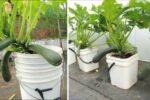
- Produces vegetables and fish simultaneously
- Sustainable, closed-loop system
- Suitable for education, urban farms, and home use (The Better India)
Advantages of Low-Water Vegetable Production
Water Conservation
Hydroponic and passive systems use significantly less water than traditional soil-based irrigation, making them ideal for drought-prone areas. (Wikipedia)
Urban Gardening
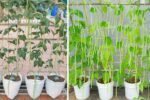
Rooftops, balconies, and terraces can become productive vegetable gardens, eliminating the need for farmland. (India Times)
Year-Round Harvests
Controlled systems allow vegetables to grow regardless of seasonal rainfall, providing continuous food production. (NDTV Rajasthan)
Reduced Pest Pressure
Soilless systems eliminate weeds and reduce soil-borne pests, producing healthier vegetables with minimal labor. (Garden Solutions UF)
Practical Tips for Beginners
- Start small with leafy greens or herbs, such as lettuce, coriander, or spinach. (Kisan India)
- Use passive Kratky setups for easy, maintenance-free growing.
- Monitor nutrient solutions and water quality to maintain plant health.
- Ensure plants receive adequate sunlight or grow light for optimal growth.
Authoritative Sources for Further Learning
- University of Florida – Hydroponic Vegetable Gardening Guide (Garden Solutions UF)
- Wikipedia – Kratky Method (Wikipedia)
- Kisan India – Home Hydroponic Vegetable Tips (Kisan India)
- NDTV Rajasthan – Hydroponics in Bundi (NDTV Rajasthan)
Conclusion: A Convenient Solution For Sustainable Food Production
As water scarcity and urbanization challenge traditional farming, growing vegetables without watering in conventional soil is an increasingly popular and practical approach. Hydroponics, Kratky passive systems, and aquaponics offer a convenient solution for sustainable, year-round vegetable production.
Whether you are an urban gardener, a sustainability enthusiast, or simply want to grow your own food efficiently, these methods allow anyone to cultivate vegetables without relying on traditional watering or farmland. By adopting these systems, you can conserve water, reduce labor, and enjoy fresh vegetables throughout the year — all in a small, controlled space.