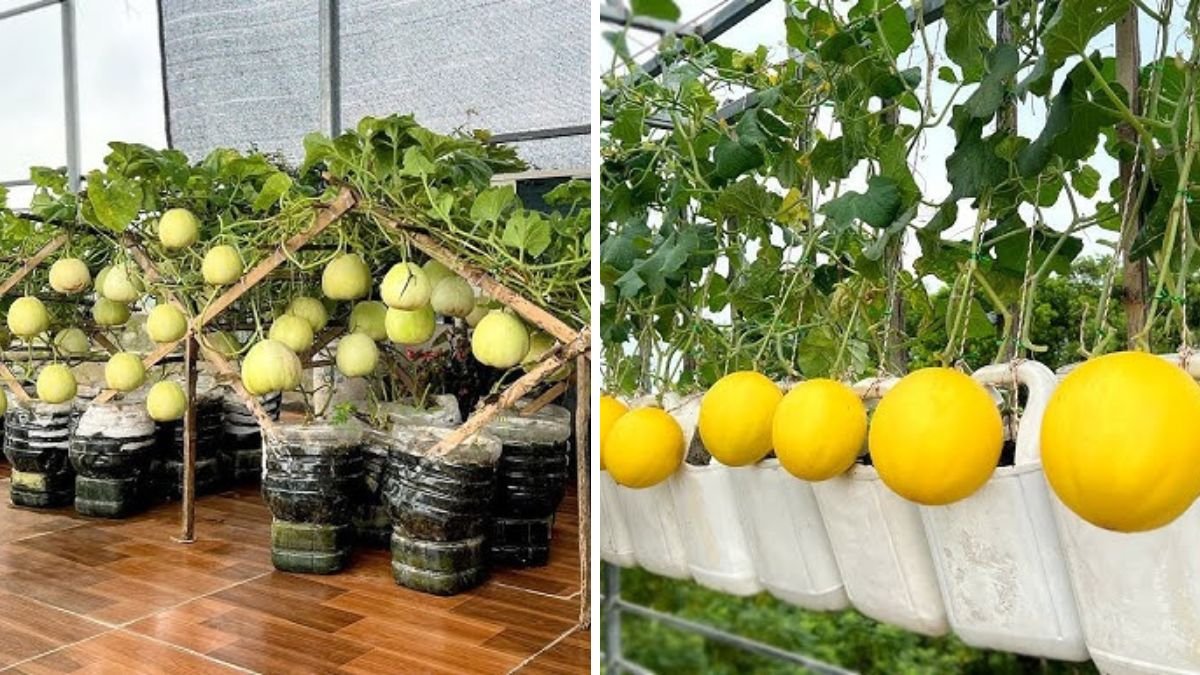
There’s something truly satisfying about harvesting melons from your own garden — the sweet aroma, intense flavor, and the pride of growing fruit yourself instead of buying it from the store. Store-bought melons often vary in taste and freshness, as they are picked early for shipping and storage. In contrast, homegrown melons can ripen fully on the vine, giving you better flavor, texture, and nutrients.
Whether you grow cantaloupes, honeydews, or watermelons, melons thrive in warm weather and can flourish in gardens, raised beds, or even large containers with proper care. Growing melons at home isn’t just about saving money — it’s about having fresh, flavorful fruit whenever you want it. In this guide, we’ll explore everything from soil preparation to harvest, along with tips to keep your melons healthy and productive.
Why Homegrown Melons Are Better
Homegrown melons have several advantages over store-bought fruit:
- Superior flavor and sweetness: Because they ripen naturally on the vine, homegrown melons have higher sugar content and richer aroma. (rhs.org.uk)
- Freshness at your convenience: You can harvest at peak ripeness, maximizing flavor and nutrition.
- Sustainable and chemical-free: Growing your own eliminates the need for commercial pesticides and reduces packaging waste.
- Gardening satisfaction: The joy of nurturing plants from seed to harvest is unmatched.
These benefits make growing melons not only a practical choice but also a rewarding lifestyle activity.

Choosing the Right Melon Variety
Before planting, select melon varieties suited to your climate and garden space:
Latest Posts
- With Just 1 Bottle of Water How I Was Shocked by What Happened When Growing Vegetables
- Maximize Your Home Garden with the Hanging Pea Sprout Growing Model – Space-Saving, High-Yield, and Easy-to-Manage Vertical Gardening Solution
- Just Water – The Secret to Growing Plump, White Peanut Sprouts Right at Home: A Step-by-Step Guide for Beginners
- Growing Zucchini at Home in a Container: How to Cultivate Large, Long Fruits with a 1-to-72 Day Step-by-Step Diary for Maximum Yield
- Grow Long Beans on the Terrace in Used Recycling Baskets: The Ultimate Guide to Easy, Space-Saving, and High-Yield Terrace Gardening
- How to Grow Tons of Long Beans Easily Without a Garden – A Complete Guide to Growing Healthy Yardlong Beans Without Fertilizers or Pesticides
- Easy Long Bean Growing Trick – No Garden, No Fertilizer, No Pesticide
- Grow Bitter Melon in Bottles — Harvest So Big You Can’t Eat It All! The Ultimate Guide to Bottle Gardening for Maximum Yields
- Growing Garlic Made Easy: No Soil, Fast Results – The Ultimate Guide to Growing Fresh Garlic Indoors Without Traditional Soil
- Wall-Mounted Hydroponic Watermelon System: Grow Large, Juicy, and Delicious Watermelons at Home with Minimal Space and Maximum Yield
- Cantaloupes (muskmelons): Sweet, aromatic, and perfect for fresh eating. (umass.edu)
- Honeydew melons: Smooth rind, sweet flesh, and ideal for salads and desserts. (allthatgrows.in)
- Watermelons: Large, juicy, and refreshing, but require more space and support. (southernliving.com)
All melons need warm soil, full sunlight, and good drainage. Selecting the right variety ensures better yields and more flavorful fruits.
Soil Preparation and Planting
Great melons start with well-drained, nutrient-rich soil. Sandy loam enriched with compost allows roots to spread easily and prevents waterlogging. (umass.edu)
Steps for optimal soil preparation:

- Test soil pH: Melons thrive in slightly acidic to neutral soil (6.2–6.8).
- Improve drainage: Mix in sand and organic compost if soil is heavy.
- Fertilize: Apply a balanced fertilizer before planting, and again as vines begin spreading. (umass.edu)
- Plant in raised mounds: Space hills 5–7 feet apart to give vines room to grow. (iowapublicradio.org)
Melons are warm-season crops and should be planted after the last frost when soil has warmed sufficiently. (pennington.com)
Sunlight and Watering Requirements
Melons require full sun — at least 6–8 hours per day — to produce flowers and fruit effectively. (pennington.com)
Watering Tips
- Water deeply at the base 1–2 times per week rather than frequent shallow watering.
- Adjust watering for rainfall and soil type; container plants may need more frequent attention.
- Reduce watering slightly as fruit nears maturity to concentrate sugars and prevent splitting.
Avoid overhead watering to minimize the risk of fungal diseases.
Pollination and Fruit Development
Melons produce male and female flowers, both needed for fruiting. Pollinators like bees play a crucial role in fertilizing flowers. To boost fruit set:

- Plant pollinator-friendly flowers nearby.
- Avoid insecticides during flowering to protect pollinators. (pennington.com)
For vining melons, consider trellises or supports in smaller gardens. Vertical growth saves space and improves airflow, which helps fruits mature evenly. (rhs.org.uk)
Managing Pests and Diseases
Even well-tended melons can encounter challenges:
- Pests: Aphids, squash bugs, and cucumber beetles can harm leaves and flowers. Early intervention with row covers or organic sprays is effective. (allthatgrows.in)
- Diseases: Powdery mildew, fungal leaf spots, and root rot can reduce yields. Good spacing, airflow, and soil-level watering help prevent disease. (allthatgrows.in)
- Poor fruit set: Excess nitrogen encourages leaf growth over flowers. Ensure balanced fertilization and adequate sunlight. (allthatgrows.in)
Harvesting Melons
Knowing when to pick your melons is key for optimal flavor:
- Muskmelons: The rind changes color and yields slightly to gentle pressure when ripe. (umass.edu)
- Watermelons: The tendril nearest the fruit dries and turns brown; a dull “thump” sound when tapped can indicate ripeness. (umass.edu)
Homegrown melons often taste sweeter and more aromatic than commercial ones, as they are allowed to fully mature on the vine.

Extending the Melon Growing Season
For longer harvests:
- Stagger planting dates to ensure continuous production.
- Choose a mix of early, mid, and late-season varieties.
- Protect young plants with row covers or cloches in cooler regions. (rhs.org.uk)
This approach ensures non-stop fruiting and maximizes garden yield.
Suggested Authoritative Sources
For detailed guidance on growing melons:
- Royal Horticultural Society – Melons Growing Guide (rhs.org.uk)
- University of Massachusetts Amherst – Melons Growing Tips (umass.edu)
- AllThatGrows – How to Grow Melons at Home (allthatgrows.in)
- Pennington – How to Grow Melons (pennington.com)
Final Thoughts
Growing melons at home instead of buying them from the store is rewarding, delicious, and practical. Homegrown melons allow you to control flavor, ripeness, and growing conditions, resulting in fruits that are often sweeter and more nutritious than anything you can buy commercially.
With proper soil preparation, sunlight, watering, pollination, and care, any gardener can enjoy a bountiful harvest. There’s no better feeling than slicing open a juicy, sun-warmed melon that you grew yourself — and knowing that your effort has resulted in truly satisfying, homegrown flavor. 🍈