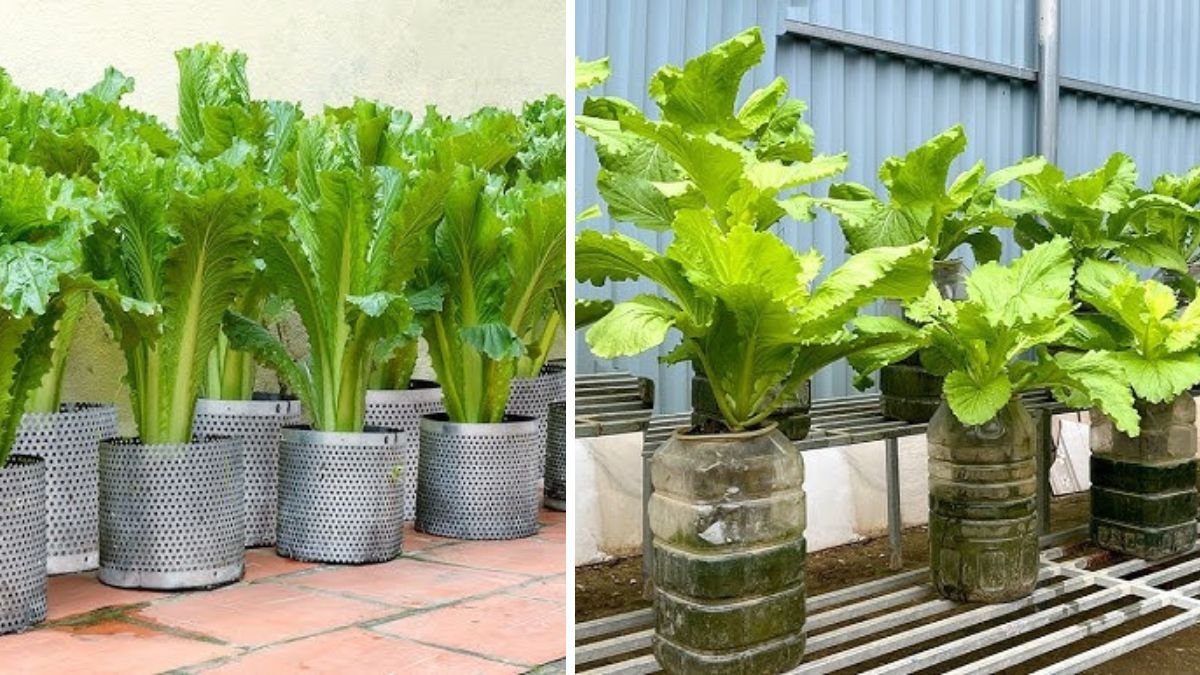
Introduction: Why You Should Grow Your Own Vegetables
In recent years, home vegetable gardening has experienced a resurgence. People are increasingly seeking ways to become self-sufficient, reduce grocery bills, and enjoy fresher, tastier food. The idea of never buying vegetables again might sound ambitious, but with smart planning, basic knowledge, and consistent effort, it’s achievable — at least for the majority of common vegetables.
Growing your own food connects you with nature, improves your diet, and reduces your environmental footprint. Even small urban spaces like balconies or windowsills can be transformed into productive gardens. This article will walk you through the essential steps, techniques, and strategies to start producing fresh vegetables at home — all while embracing the concept of eat this way now for better health, sustainability, and savings.
Why People Want to Never Buy Vegetables Again
Several factors motivate gardeners to grow their own vegetables:
- Cost Savings: Fresh produce from the store can be expensive, especially organic options. Homegrown vegetables drastically cut costs over time.
- Superior Food Quality: Freshly harvested vegetables often contain higher levels of nutrients and taste far better than store-bought produce.
- Food Security: Growing your own vegetables ensures a steady supply, even during price spikes or supply chain disruptions.
- Sustainability: Reducing reliance on store produce lowers your carbon footprint by cutting transportation, packaging, and energy use associated with supermarkets.
While growing all vegetables year-round is challenging, smart gardeners can supplement most of their produce needs by strategically planting, rotating crops, and preserving harvests for the off-season. (Vogue, The Guardian)
Choosing the Right Vegetables for Your Garden
Not all vegetables are equally easy to grow. For beginners, starting with fast-growing and high-yield crops ensures early success and boosts confidence. Consider these options:
Latest Posts
- With Just 1 Bottle of Water How I Was Shocked by What Happened When Growing Vegetables
- Maximize Your Home Garden with the Hanging Pea Sprout Growing Model – Space-Saving, High-Yield, and Easy-to-Manage Vertical Gardening Solution
- Just Water – The Secret to Growing Plump, White Peanut Sprouts Right at Home: A Step-by-Step Guide for Beginners
- Growing Zucchini at Home in a Container: How to Cultivate Large, Long Fruits with a 1-to-72 Day Step-by-Step Diary for Maximum Yield
- Grow Long Beans on the Terrace in Used Recycling Baskets: The Ultimate Guide to Easy, Space-Saving, and High-Yield Terrace Gardening
- How to Grow Tons of Long Beans Easily Without a Garden – A Complete Guide to Growing Healthy Yardlong Beans Without Fertilizers or Pesticides
- Easy Long Bean Growing Trick – No Garden, No Fertilizer, No Pesticide
- Grow Bitter Melon in Bottles — Harvest So Big You Can’t Eat It All! The Ultimate Guide to Bottle Gardening for Maximum Yields
- Growing Garlic Made Easy: No Soil, Fast Results – The Ultimate Guide to Growing Fresh Garlic Indoors Without Traditional Soil
- Wall-Mounted Hydroponic Watermelon System: Grow Large, Juicy, and Delicious Watermelons at Home with Minimal Space and Maximum Yield
- Leafy Greens: Lettuce, spinach, kale, and Swiss chard grow quickly and can be harvested multiple times.
- Tomatoes: Popular, versatile, and ideal for containers or raised beds.
- Peppers: Easy to grow in warm climates, ideal for small gardens.
- Root Vegetables: Carrots, radishes, and beets are simple to grow with proper soil.
- Herbs: Basil, parsley, and cilantro thrive in pots and containers.
Start with vegetables you eat frequently, as this ensures your efforts translate into real savings and consistent consumption. (The Spruce)
Preparing Your Garden: Soil, Location, and Sunlight
1. Pick the Right Location
Vegetables generally need 6–8 hours of direct sunlight daily. Choose a sunny backyard spot, a balcony, or even windowsills for smaller crops. Sunlight affects photosynthesis, which determines growth, flavor, and nutrient density.
2. Improve Your Soil
Healthy soil is the foundation of a productive garden. Test your soil for pH and nutrients, then amend it with compost, organic matter, or well-rotted manure. Proper soil preparation helps retain moisture, improves drainage, and ensures strong root development. (Preen)
3. Raised Beds and Containers
Raised beds increase aeration, reduce weeds, and allow better water management. Container and vertical gardening techniques are perfect for small spaces or urban environments. You can grow tomatoes, peppers, and leafy greens in stacked containers or vertical towers.
Planting Strategies for Maximum Yield
1. Succession Planting
Grow multiple crops in sequence. Plant fast-maturing vegetables, like radishes, in the gaps between slower-growing crops like broccoli or cabbage. This strategy maximizes space and ensures continuous harvests.
2. Crop Rotation
Rotating crops each season prevents soil depletion, reduces pests, and improves soil fertility. For example, alternate leafy greens with legumes, which fix nitrogen in the soil.
3. Seed Saving
Harvest seeds from your best plants to plant in the next season. This practice can save money, reduce dependence on seed suppliers, and adapt plants to your local climate. (The Guardian)
Watering and Maintenance
Watering correctly is crucial. Overwatering can suffocate roots, while under-watering stresses plants and reduces yields. Use these tips:
- Water in the morning to allow leaves to dry and reduce disease.
- Use drip irrigation or soaker hoses to conserve water.
- Mulch around plants to retain moisture and suppress weeds. (The Spruce)
Regular maintenance, including pruning, staking, and monitoring for pests, ensures healthy growth and higher yields.
Common Mistakes to Avoid
Even experienced gardeners make errors. Avoid these pitfalls:
- Overplanting: Planting too many crops can lead to competition and poor yields.
- Ignoring Soil Preparation: Poor soil limits growth and nutrient uptake.
- Neglecting Pest Management: Integrated pest management keeps your garden healthy organically.
- Giving Up Early: Gardening is a skill learned over time; persistence is key. (Homes & Gardens)
Extending Your Harvest
1. Seasonal Planting
Plant cool-season crops like lettuce and spinach in spring/fall, and warm-season crops like tomatoes and peppers in summer.
2. Indoor Gardening
Grow leafy greens and herbs indoors during winter under grow lights.
3. Food Preservation
Preserve excess harvests by freezing, canning, or drying. This allows you to enjoy homegrown vegetables year-round.
Real-Life Success Stories
While there’s no exact news article titled “Never Buy Vegetables Again”, related stories showcase inspiring home gardeners:
- One gardener demonstrated how harvesting seeds from a single plant could provide a year-round supply, saving hundreds in seed costs. (The Cool Down)
- Community gardens in urban areas have turned small plots and stoops into productive vegetable oases. (Vogue)
These examples show that with careful planning, space optimization, and persistence, growing your own vegetables is highly achievable.
Benefits Beyond Cost Savings
Growing your own vegetables provides more than financial benefits:
- Mental Health: Gardening reduces stress and promotes mindfulness.
- Diet Quality: Fresh, homegrown vegetables increase nutrient intake and encourage healthier eating habits.
- Community Impact: Sharing surplus produce strengthens community ties and encourages sustainable living.
Authoritative Sources
- Kitchen Garden – Wikipedia: Overview of small-scale vegetable gardening. (Wikipedia)
- Foodscaping – Wikipedia: Integrating edible plants into landscapes. (Wikipedia)
- 10 Tips on Growing Your Own Vegetable Garden – Preen: Practical gardening advice. (Preen)
- Never Buy Vegetable Seed Again – The Guardian: Seed-saving techniques and cost-saving tips. (The Guardian)
Conclusion
While never buying a single vegetable again may require time, space, and commitment, growing your own vegetables is achievable for most people. By selecting the right crops, improving soil, optimizing space, and maintaining consistent care, you can significantly reduce grocery dependency and enjoy the freshest produce imaginable.
Start small, be persistent, and embrace the joy of gardening — your body, wallet, and planet will thank you.