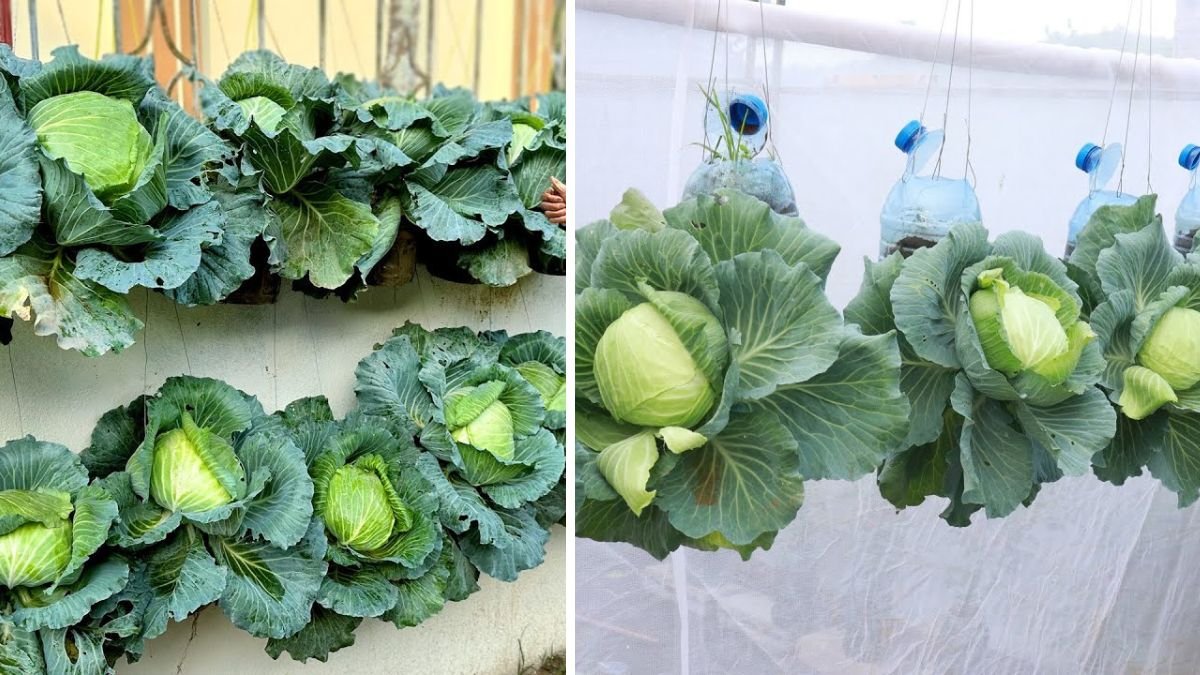
Mibuna cabbage is one of the most versatile and rewarding leafy greens you can grow in your vegetable garden. With its tender, slender leaves and mild mustard-like flavor, it is perfect for fresh salads, stir-fries, soups, and a variety of cooked dishes. Native to Japan, Mibuna is part of the brassica family, related to mizuna, bok choy, and mustard greens.
What makes Mibuna particularly appealing is its ease of growth and fast production. It thrives in garden beds, raised containers, and even indoor setups, making it accessible to gardeners with limited space. In this article, we’ll explore why Mibuna is becoming a favorite in vegetable gardens, how to cultivate it successfully, and how to harvest it for maximum yield.
Understanding Mibuna Cabbage
Mibuna (Brassica rapa var. japonica) is a cool-season leafy green that grows in clumps of slender, frilly leaves. Unlike traditional round cabbages, Mibuna leaves remain tender and edible throughout their growth. This unique structure allows multiple harvests from a single planting, making it an efficient crop for both small and large gardens.
One of the most exciting features of Mibuna is its rapid growth. From seed to harvest, gardeners can enjoy tender leaves in as little as 4–6 weeks, depending on growing conditions. This fast turnaround makes it perfect for gardeners who want a steady supply of fresh greens throughout the season. (RHS.org.uk)
Mibuna also tolerates cooler weather better than many other leafy greens, making it ideal for spring and autumn planting. In mild climates, it can continue producing into the winter months.
Latest Posts
- With Just 1 Bottle of Water How I Was Shocked by What Happened When Growing Vegetables
- Maximize Your Home Garden with the Hanging Pea Sprout Growing Model – Space-Saving, High-Yield, and Easy-to-Manage Vertical Gardening Solution
- Just Water – The Secret to Growing Plump, White Peanut Sprouts Right at Home: A Step-by-Step Guide for Beginners
- Growing Zucchini at Home in a Container: How to Cultivate Large, Long Fruits with a 1-to-72 Day Step-by-Step Diary for Maximum Yield
- Grow Long Beans on the Terrace in Used Recycling Baskets: The Ultimate Guide to Easy, Space-Saving, and High-Yield Terrace Gardening
- How to Grow Tons of Long Beans Easily Without a Garden – A Complete Guide to Growing Healthy Yardlong Beans Without Fertilizers or Pesticides
- Easy Long Bean Growing Trick – No Garden, No Fertilizer, No Pesticide
- Grow Bitter Melon in Bottles — Harvest So Big You Can’t Eat It All! The Ultimate Guide to Bottle Gardening for Maximum Yields
- Growing Garlic Made Easy: No Soil, Fast Results – The Ultimate Guide to Growing Fresh Garlic Indoors Without Traditional Soil
- Wall-Mounted Hydroponic Watermelon System: Grow Large, Juicy, and Delicious Watermelons at Home with Minimal Space and Maximum Yield
Why Grow Mibuna in Your Vegetable Garden?
There are several reasons why gardeners are adding Mibuna to their home vegetable gardens:
1. Fast and Easy to Grow
Mibuna seeds germinate quickly, and seedlings develop into mature leaves within weeks. Its forgiving nature makes it suitable for beginners or those who want quick results in limited time. (Support.ClickAndGrow.com)
2. Adaptable to Small Spaces
Whether you have a large backyard plot or a few pots on a balcony, Mibuna can thrive in containers, raised beds, or traditional garden soil. Its compact growth habit allows you to maximize limited space. (TheSeedCollection.com.au)
3. Versatile Culinary Use
The mild mustard flavor is delicious both raw and cooked. Mibuna leaves are perfect for salads, sandwiches, soups, stir-fries, and sautéed dishes, making it an excellent addition to any home kitchen. (KitchenGardenSeeds.com)
4. Continuous Harvest
By using the cut-and-come-again method, you can harvest outer leaves while the inner leaves continue growing. This allows multiple harvests from a single planting. (Support.ClickAndGrow.com)
How to Grow Mibuna Successfully
Growing Mibuna is straightforward, but following some key steps ensures healthy plants and maximum yield.
Step 1: Choose the Right Spot and Soil
Mibuna prefers well-draining, fertile soil enriched with organic matter. A slightly acidic to neutral pH (6.0–7.0) is ideal. Full sun promotes rapid growth, though partial shade is acceptable in hotter climates. (MorningChores.com)
Pro Tip: Adding compost or well-rotted manure before planting improves soil fertility and encourages faster growth.
Step 2: Sow Seeds Properly
Mibuna seeds are easy to sow directly in the ground or containers. Plant seeds about 5 mm deep and 20 cm apart to allow adequate space for growth. For indoor sowing, use seed trays and transplant seedlings after 3–4 weeks. (TheSeedCollection.com.au)
Seeds typically germinate within 4–10 days, depending on soil temperature and moisture.
Step 3: Watering and Fertilization
Keep the soil evenly moist without waterlogging. Mibuna prefers consistent moisture, which prevents stress and encourages vigorous leaf production. Avoid wetting the leaves to reduce the risk of fungal diseases. (TheseedCollection.com.au)
If your soil is low in nutrients, work in a balanced slow-release fertilizer or liquid feed during the growing season. Fertilization supports strong, healthy leaves and higher yields.
Step 4: Container Growing
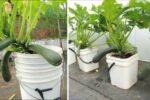
For urban gardeners or limited-space areas, Mibuna is ideal for container gardening. Use pots with a minimum of 10 liters capacity and ensure proper drainage. Containers make it easier to control soil quality, moisture, and spacing, while also allowing you to move plants for optimal sunlight. (TheseedCollection.com.au)
Step 5: Protection and Care
Mibuna grows best in cooler temperatures and may bolt in extreme heat. In warmer climates, plant in spring or autumn and provide partial shade during hot periods. Mulching around plants retains soil moisture, suppresses weeds, and keeps roots cool. (MorningChores.com)
Common pests include aphids, slugs, and caterpillars. Regular inspection and organic pest management methods, such as neem oil or handpicking, help maintain healthy plants.
Harvesting Mibuna
Mibuna is ready to harvest in 4–6 weeks for tender, baby leaves, or you can wait for larger, mature leaves. Use the cut-and-come-again method:
- Snip the outer leaves first, leaving the inner leaves intact.
- Allow the plant to continue growing for continuous harvests.
- Larger leaves can also be harvested all at once if needed for cooking.
Regular harvesting encourages faster regrowth and prevents the plant from bolting. (Support.ClickAndGrow.com)
Culinary Uses for Mibuna
Mibuna’s mild mustard flavor is versatile:
- Raw in salads with citrus or vinaigrette
- Tossed in stir-fries with garlic, soy, or sesame
- Added to soups in the last few minutes of cooking
- Mixed into grain bowls or pastas for a peppery twist
Because it’s low in bitterness, it appeals to both adults and children, making it a great green for family meals. (KitchenGardenSeeds.com)
Authoritative Sources for Mibuna Growing
For further guidance, these sources offer trusted, expert advice:
- RHS – Grow Mizuna and Mibuna: Seasonal planting and care. (rhs.org.uk)
- The Seed Collection – Mibuna Growing Guide: Sowing, care, and harvest tips. (theseedcollection.com.au)
- Click & Grow – Mibuna Care Tips: Indoor and outdoor growing insights. (support.clickandgrow.com)
- Allotment Online – Growing Mizuna and Mibuna: Pest management and continuous harvest guidance. (allotmentonline.co.uk)
These resources are great for beginners and experienced gardeners alike, offering practical advice and troubleshooting tips.
Conclusion: Add Mibuna to Your Garden
Mibuna cabbage is delicious, easy to grow, and highly rewarding. It thrives in garden beds, raised beds, or containers and produces multiple harvests in a short time. Its mild mustard flavor enhances salads, stir-fries, and soups, making it a versatile addition to any kitchen.
Whether you are an experienced gardener or just starting, growing Mibuna is an excellent way to enjoy fresh, homegrown greens with minimal effort. With proper care, regular harvesting, and attention to watering and soil fertility, your Mibuna plants can provide a continuous supply of nutritious, flavorful leaves throughout the season.
Start planting Mibuna in your vegetable garden today and enjoy its tender, tasty leaves and fast-growing harvests!