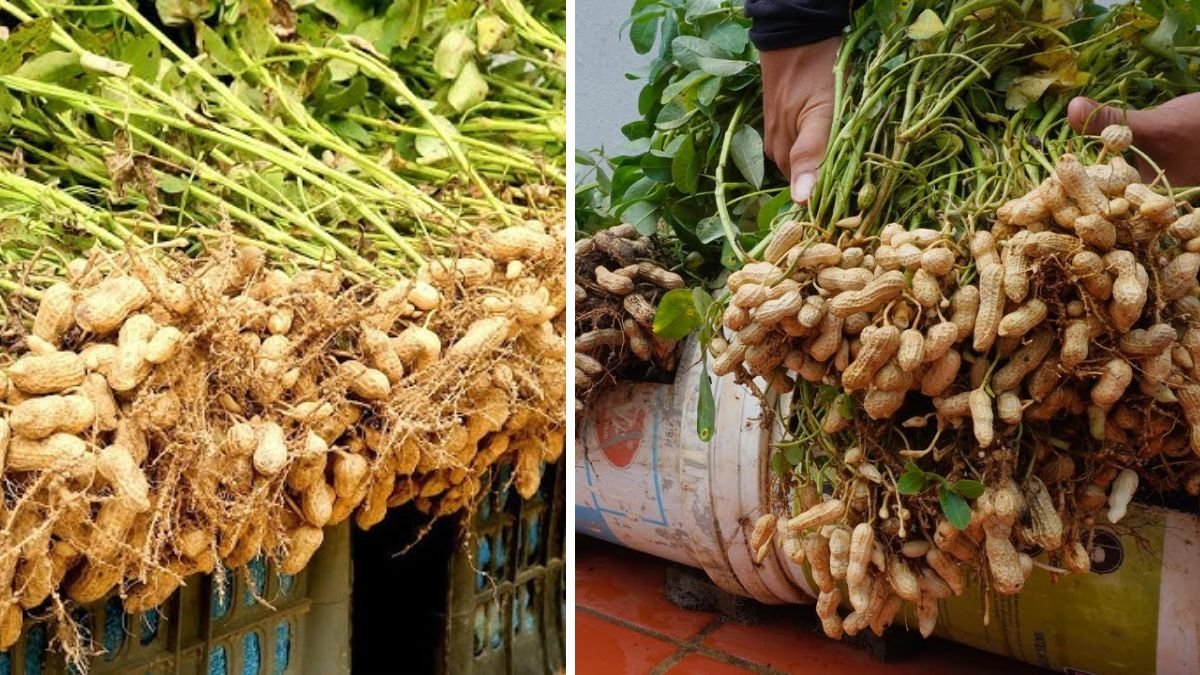
Black peanuts are a unique and nutritious variety of groundnut (Arachis hypogaea) recognized for their deep color, rich flavor, and high nutritional value. Unlike common tan or red-skinned peanuts, black peanuts have darker skins with distinct flavor notes, making them a specialty choice for gourmet dishes, roasted snacks, and health-conscious diets. With the right care, these peanuts can be grown successfully at home or on a small farm, producing a high-quality, delicious, and nutritious harvest.
Although recent mainstream news coverage on black peanuts is limited, peanuts as a crop continue to be highly valued worldwide for their protein, healthy fats, vitamins, minerals, and antioxidants. Specialty varieties like black peanuts are increasingly sought after for their gourmet appeal and potential health benefits. (lsuagcenter.com)
Why Grow Black Peanuts?
Nutritional Value and Taste
Black peanuts are rich in protein, healthy fats, and micronutrients. Their skins are particularly high in phenolic compounds, which contribute to antioxidant activity and anti-inflammatory properties. These compounds make black peanuts an excellent choice for heart health, blood sugar regulation, and overall wellness. Their unique flavor and darker color make them a gourmet snack or ingredient for specialty peanut products.
Specialty Crop and Market Potential
Black peanuts are considered a premium crop due to their limited availability and unique taste. They are ideal for artisanal products such as roasted nuts, peanut butter, and gourmet snacks. For small-scale farmers or home gardeners, black peanuts offer an opportunity to add value and capture higher market prices compared to common peanut varieties.

Sustainable Crop for Home Gardens
Like all legumes, peanuts have the ability to fix nitrogen in the soil, improving soil fertility for future crops. They are relatively low-maintenance and can fit into crop rotation systems, making them an excellent choice for sustainable home gardens or small farms. (gardencityplastics.com)
Latest Posts
- With Just 1 Bottle of Water How I Was Shocked by What Happened When Growing Vegetables
- Maximize Your Home Garden with the Hanging Pea Sprout Growing Model – Space-Saving, High-Yield, and Easy-to-Manage Vertical Gardening Solution
- Just Water – The Secret to Growing Plump, White Peanut Sprouts Right at Home: A Step-by-Step Guide for Beginners
- Growing Zucchini at Home in a Container: How to Cultivate Large, Long Fruits with a 1-to-72 Day Step-by-Step Diary for Maximum Yield
- Grow Long Beans on the Terrace in Used Recycling Baskets: The Ultimate Guide to Easy, Space-Saving, and High-Yield Terrace Gardening
- How to Grow Tons of Long Beans Easily Without a Garden – A Complete Guide to Growing Healthy Yardlong Beans Without Fertilizers or Pesticides
- Easy Long Bean Growing Trick – No Garden, No Fertilizer, No Pesticide
- Grow Bitter Melon in Bottles — Harvest So Big You Can’t Eat It All! The Ultimate Guide to Bottle Gardening for Maximum Yields
- Growing Garlic Made Easy: No Soil, Fast Results – The Ultimate Guide to Growing Fresh Garlic Indoors Without Traditional Soil
- Wall-Mounted Hydroponic Watermelon System: Grow Large, Juicy, and Delicious Watermelons at Home with Minimal Space and Maximum Yield
How to Grow Black Peanuts at Home
1. Choose Quality Seeds
Start with high-quality black peanut seeds from reputable suppliers or specialty seed collections. Viable seeds are critical for healthy plant growth and abundant harvests. (trueloveseeds.com)
2. Select the Right Soil
Black peanuts thrive in light, well-drained soil. Sandy loam or loamy soils enriched with organic matter promote healthy root development and pod formation. Avoid heavy clay soils, which can retain too much water and cause root rot.
3. Planting and Spacing
- Sow seeds about 1–2 inches deep.
- Space plants 8–12 inches apart, with rows separated by 24–30 inches.
- Ensure good air circulation to reduce disease risk and allow space for pod development. (trueloveseeds.com)
4. Sunlight and Watering
Peanuts require full sun to flower and develop pods. Water consistently, particularly during flowering and pod formation, but avoid waterlogging. Mulching with organic materials like straw or shredded leaves helps retain moisture, reduce weeds, and maintain soil temperature.

5. Growth Cycle and Harvest
Black peanuts typically take 110–120 days from planting to maturity. Harvest when plants yellow and begin to dry back. Carefully loosen the soil and pull up plants, then sun-dry pods before storage. Proper drying preserves flavor, nutrition, and shelf life.
Tips for a Successful Black Peanut Crop
Crop Rotation
Plant peanuts after cereal or heavy-feeding crops to take advantage of nitrogen fixation and break pest cycles. This improves soil health for subsequent crops. (lsuagcenter.com)
Pest and Disease Management
Monitor plants for yellowing leaves or stunted growth, which may indicate pests or nutrient issues. Use organic mulch, maintain proper spacing, and ensure adequate sunlight to reduce disease risks. Common peanut pests include aphids and leafhoppers, while fungal diseases like leaf spot can affect yield.
Proper Processing
After harvesting, black peanuts can be:
- Roasted for snacks
- Ground into peanut butter or nut pastes
- Added to baked goods or savory recipes
Their darker skins enhance roasted flavors and contribute to antioxidant content.
Health Benefits of Black Peanuts
Black peanuts are nutrient-dense, providing:
- Protein and Healthy Fats: Essential for muscle repair, heart health, and energy.
- Antioxidants: Phenolic compounds in the skin protect against oxidative stress and inflammation.
- Blood Sugar Regulation: Low glycemic index helps maintain steady glucose levels.
- Vitamins and Minerals: Includes vitamin E, magnesium, and potassium for overall wellness.
These benefits make black peanuts an excellent choice for snacking, cooking, and health-focused diets.
Economic and Market Insights
Specialty crops like black peanuts offer higher economic potential than standard peanuts. Value addition through roasting, peanut butter production, and premium packaging can significantly increase profits for small-scale growers.

Although specific news on black peanut production is limited, reports from India highlight how peanut farmers have increased income by participating in value chains and producing specialty varieties for niche markets. (thebetterindia.com)
Authoritative Sources
For further guidance, research, and verified information:
- LSU AgCenter Peanut Guide – Expert advice on peanut cultivation and care. (lsuagcenter.com)
- True Love Seeds – Black Peanuts – High-quality seed source and planting instructions. (trueloveseeds.com)
- The Better India – Case studies on peanut farmers and value addition. (thebetterindia.com)
These resources provide reliable insights for growing black peanuts at home or on a small farm.
Final Thoughts
Growing black peanuts at home or on a small farm offers a delicious, nutritious, and visually appealing crop. With proper planning, quality seeds, fertile soil, adequate sunlight, and care, even beginner gardeners can harvest flavorful, nutrient-rich peanuts.
Black peanuts are more than a snack—they are a specialty crop with economic potential, health benefits, and culinary versatility. Whether roasted, made into peanut butter, or used in recipes, black peanuts provide both nutrition and flavor, making them a standout addition to any garden or farm.
By following best practices, monitoring for pests, and utilizing crop rotation, you can ensure a successful harvest. These small, high-value plants can transform your home garden or small farm into a source of premium peanuts for personal use or niche markets.
Start planting black peanuts today, and enjoy a harvest of super delicious, nutritious specialty peanuts all season long.