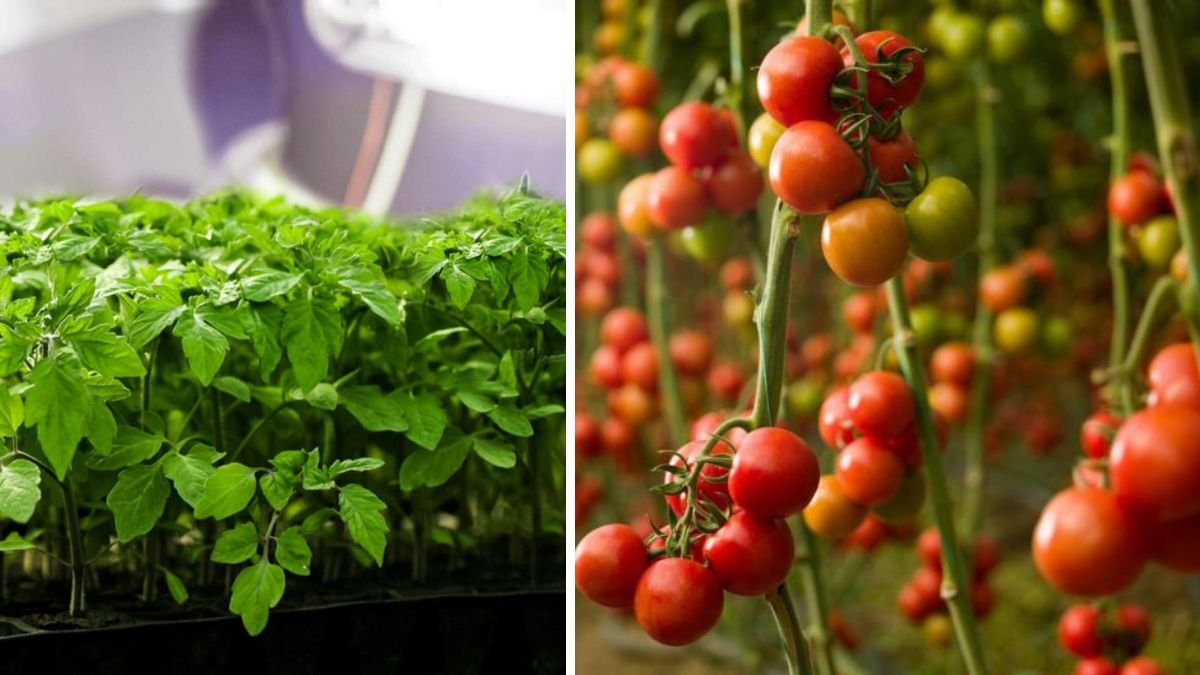
Tomatoes are one of the most popular and rewarding vegetables to grow at home. They thrive in backyard gardens, balcony planters, and even sunny windowsills. Homegrown tomatoes not only taste better than store-bought ones, but growing them also gives you complete control over fertilizers, water, and plant care. While many gardeners start tomatoes from seeds or nursery-bought seedlings, an increasingly popular method is propagating new plants from tomato cuttings. This technique is simple, cost-effective, and allows you to multiply your plants without buying additional seeds.
Recent gardening trends emphasize convenience, sustainability, and maximizing yields in limited spaces. Rooting tomato cuttings fits perfectly within these trends, making it an ideal method for both urban gardeners and those with larger gardens. Additionally, innovations like grafting are now being used by farmers to increase plant resilience and improve harvests under challenging weather conditions. (aajtak.in)
Why Grow Tomatoes at Home?
Growing tomatoes at home offers multiple benefits:

- Fresh, Flavorful Produce: Homegrown tomatoes have superior taste and texture compared to commercially grown varieties.
- Control Over Growth Conditions: You can avoid pesticides or harmful chemicals and focus on organic care.
- Cost Savings: Propagating tomatoes from cuttings allows gardeners to expand their crop without purchasing new seedlings.
- Sustainability: Using cuttings reduces waste and encourages resourceful gardening practices.
Tomatoes are versatile and can be grown in soil beds, containers, grow bags, or even hydroponically. Their adaptability and prolific fruiting make them ideal for home cultivation.
How to Propagate Tomatoes from Cuttings
Propagation from cuttings involves taking a healthy portion of a tomato plant and encouraging it to develop roots, eventually becoming an independent plant. This method works best with strong, disease-free plants.
Latest Posts
- With Just 1 Bottle of Water How I Was Shocked by What Happened When Growing Vegetables
- Maximize Your Home Garden with the Hanging Pea Sprout Growing Model – Space-Saving, High-Yield, and Easy-to-Manage Vertical Gardening Solution
- Just Water – The Secret to Growing Plump, White Peanut Sprouts Right at Home: A Step-by-Step Guide for Beginners
- Growing Zucchini at Home in a Container: How to Cultivate Large, Long Fruits with a 1-to-72 Day Step-by-Step Diary for Maximum Yield
- Grow Long Beans on the Terrace in Used Recycling Baskets: The Ultimate Guide to Easy, Space-Saving, and High-Yield Terrace Gardening
- How to Grow Tons of Long Beans Easily Without a Garden – A Complete Guide to Growing Healthy Yardlong Beans Without Fertilizers or Pesticides
- Easy Long Bean Growing Trick – No Garden, No Fertilizer, No Pesticide
- Grow Bitter Melon in Bottles — Harvest So Big You Can’t Eat It All! The Ultimate Guide to Bottle Gardening for Maximum Yields
- Growing Garlic Made Easy: No Soil, Fast Results – The Ultimate Guide to Growing Fresh Garlic Indoors Without Traditional Soil
- Wall-Mounted Hydroponic Watermelon System: Grow Large, Juicy, and Delicious Watermelons at Home with Minimal Space and Maximum Yield
Step-by-Step Guide
- Select a Healthy Stem
Choose a vigorous side shoot or sucker that is 6–8 inches long. Suckers grow in the leaf axils (the space between the main stem and a branch). (bhg.com) - Trim Leaves
Remove the lower leaves, leaving only a few at the top. Exposed nodes are where roots will form. This reduces water loss and encourages root development. (growveg.com) - Root in Water
Place the cutting in a clean container with water, making sure the lower nodes are submerged. Change the water every few days to prevent stagnation and bacterial growth. Roots typically appear within 1–2 weeks. - Plant in Soil
Once the cutting has developed white roots, transplant it into a pot or garden bed. Initially, place it in light shade to reduce transplant shock. Some gardeners also prefer rooting directly in moist potting soil, which works just as well.
Tip: Propagation works with most tomato varieties, but indeterminate varieties (those that keep growing) tend to root more successfully than determinate varieties (those that stop at a certain height).
Growing Tomatoes at Home: Best Practices
Whether you’re starting with cuttings or traditional seedlings, providing the right conditions is essential for healthy plants and abundant fruit.
Sunlight and Location
Tomatoes need 6–8 hours of direct sunlight daily. For smaller spaces or partial shade, choose cherry tomatoes or other small-fruited varieties, which are more forgiving. (southernliving.com)
Soil and Containers
Use well-draining, nutrient-rich soil. For containers, select pots with drainage holes and fill them with high-quality potting mix. Adding compost or organic fertilizer ensures strong growth and supports fruit production. (bhg.com)

Watering
Consistent watering is key. Tomatoes need evenly moist soil for optimal growth. Avoid wetting the leaves, as this can promote fungal diseases. Mulching around the base helps retain moisture and reduces weed growth. (aarp.org)
Support and Pruning
Tomato plants often require cages or stakes to keep their growth upright and fruits off the ground. Prune excess suckers to direct the plant’s energy toward producing fruit rather than excessive foliage. (aarp.org)
Common Challenges and How to Overcome Them
Even experienced gardeners encounter issues when growing tomatoes. Here are some common problems and solutions:
- Pests: Aphids, whiteflies, and caterpillars can attack tomato plants. Monitor plants regularly and use natural insecticides or neem oil if necessary.
- Diseases: Fungal infections such as powdery mildew or blight can affect leaves. Maintain good spacing and airflow, remove infected leaves, and choose disease-resistant varieties.
- Weather Stress: Extreme heat or cold can affect flowering and fruit set. Provide shade during hot afternoons and use row covers during unexpected cold spells. (bhg.com)
Maximizing Yield and Fruit Quality
- Balanced Fertilization: Use a fertilizer high in phosphorus and potassium to support flowering and fruit growth. Avoid excessive nitrogen, which promotes leafy growth at the expense of fruit.
- Consistent Care: Regular watering, pruning, and monitoring for pests ensure steady growth.
- Harvest at the Right Time: Tomatoes are ready to harvest when they are fully colored and slightly soft to the touch. Picking fruit regularly encourages more production.
Latest Trends in Tomato Cultivation
Recent innovations and trends include:
- Grafting: Farmers are grafting tomato stems onto more resilient rootstocks to improve resistance to diseases and adverse weather conditions. (aajtak.in)
- Disease-Resistant Varieties: Agricultural universities are developing tomato varieties that mature quickly and resist common diseases. (krishakjagat.org)
- Urban Gardening Innovations: Growers are exploring compact varieties and vertical setups for balconies and rooftops to maximize yield in small spaces.
Authoritative Sources for Further Learning
To dive deeper into tomato cultivation:
- GrowVeg Guides: Detailed tutorials on rooting tomato cuttings. (growveg.com)
- Better Homes & Gardens: Practical advice on propagation and plant care. (bhg.com)
- AARP Gardening Tips: General guidance for growing healthy tomatoes at home. (aarp.org)
- Local Agricultural Extensions: Region-specific recommendations and access to disease-resistant varieties.
Final Thoughts
Growing tomatoes at home — whether from seeds, seedlings, or propagated cuttings — is a highly rewarding gardening endeavor. By following proper propagation steps, providing optimal sunlight, soil, and water, and supporting your plants with stakes or cages, you can enjoy abundant, juicy fruits throughout the season.
Rooting tomato cuttings is particularly valuable for home gardeners looking to expand their crop sustainably. This method saves money, multiplies plants quickly, and ensures a continuous supply of healthy tomatoes. Whether you’re cultivating a few pots on a balcony or a backyard garden, tomatoes provide delicious fruits, vibrant greenery, and a fulfilling gardening experience.
With patience, care, and a little knowledge, even a small garden can produce a bountiful tomato harvest that rivals commercial farms. Start with a few cuttings today and watch your garden thrive.