Introduction
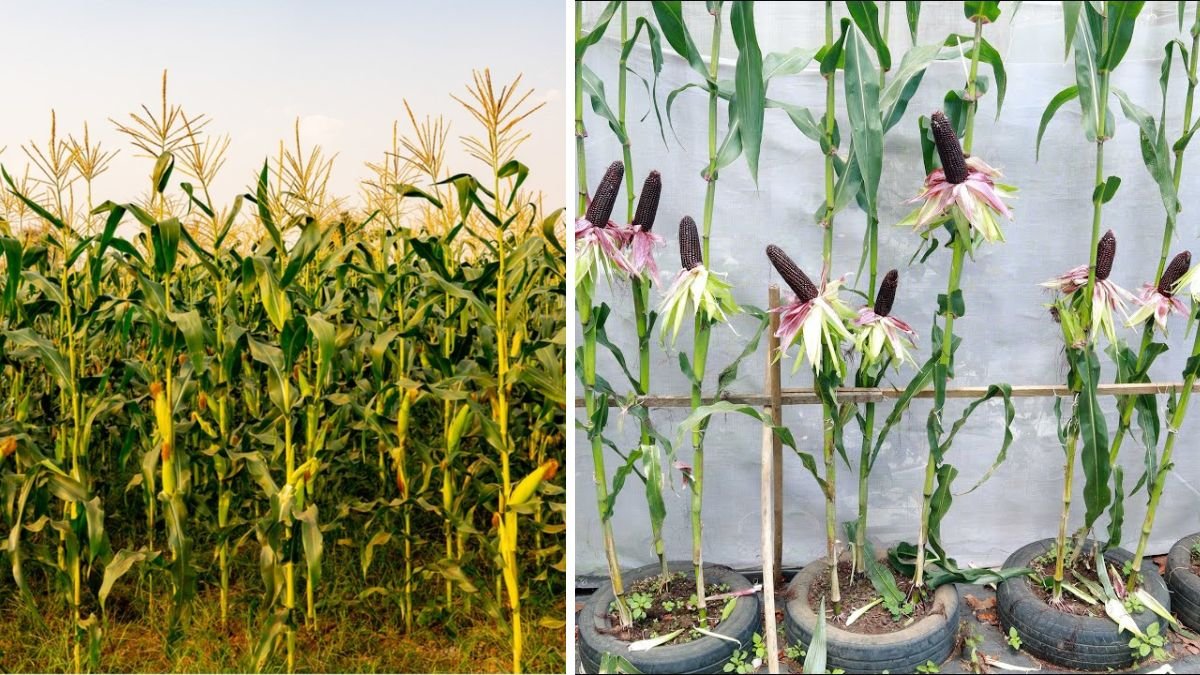
Corn is traditionally associated with large fields, but with the rise of urban gardening and container growing, even city balconies can produce fresh corn. Queen corn, prized for its sweet, tender kernels, and specialty black corn, known for its rich dark color and antioxidant properties, are becoming increasingly popular among home gardeners.
Growing corn on a balcony may seem challenging, but careful planning, container selection, proper sunlight, and regular care make it feasible. Urban gardeners are increasingly experimenting with vertical and container gardening techniques to grow crops that were once thought to require full garden plots. The result is fresh, homegrown corn without leaving your apartment. (specialtyproduce.com)
Why Grow Corn on a Balcony?
1. Efficient Use of Limited Space
Balcony gardening allows you to grow corn in containers, making use of vertical space. With compact varieties, even small balconies can yield several cobs. Clustering pots together helps with pollination, which is essential for full cob development. (groworganic.com)
2. Specialty Corn Varieties
Specialty black corn, also called black maize, has deep indigo-black kernels rich in anthocyanins, antioxidants that promote health. Queen corn offers the sweet taste and tender texture most associated with homegrown corn. These varieties provide not only flavor but also unique visual appeal. (specialtyproduce.com)
3. Fresh, Homegrown Produce
Growing your own corn ensures immediate access to fresh cobs without pesticides. Harvesting at the “milk stage” provides sweet kernels for salads, grilling, or boiling, while black corn can also be roasted or used in specialty dishes. (en.wikipedia.org)
Latest Posts
- With Just 1 Bottle of Water How I Was Shocked by What Happened When Growing Vegetables
- Maximize Your Home Garden with the Hanging Pea Sprout Growing Model – Space-Saving, High-Yield, and Easy-to-Manage Vertical Gardening Solution
- Just Water – The Secret to Growing Plump, White Peanut Sprouts Right at Home: A Step-by-Step Guide for Beginners
- Growing Zucchini at Home in a Container: How to Cultivate Large, Long Fruits with a 1-to-72 Day Step-by-Step Diary for Maximum Yield
- Grow Long Beans on the Terrace in Used Recycling Baskets: The Ultimate Guide to Easy, Space-Saving, and High-Yield Terrace Gardening
- How to Grow Tons of Long Beans Easily Without a Garden – A Complete Guide to Growing Healthy Yardlong Beans Without Fertilizers or Pesticides
- Easy Long Bean Growing Trick – No Garden, No Fertilizer, No Pesticide
- Grow Bitter Melon in Bottles — Harvest So Big You Can’t Eat It All! The Ultimate Guide to Bottle Gardening for Maximum Yields
- Growing Garlic Made Easy: No Soil, Fast Results – The Ultimate Guide to Growing Fresh Garlic Indoors Without Traditional Soil
- Wall-Mounted Hydroponic Watermelon System: Grow Large, Juicy, and Delicious Watermelons at Home with Minimal Space and Maximum Yield

Materials and Preparation
To start your balcony corn garden, gather the following:
- Large containers or fabric grow bags (12–18 inches deep)
- Quality potting soil enriched with compost
- Queen corn or black corn seeds
- Stakes or cages for plant support
- Watering can or drip system
- Organic fertilizer (nitrogen-rich for vegetative growth)
Tip: Choose dwarf or compact varieties suited for container growth. Larger varieties may need extra staking to prevent tipping.
Step-by-Step Guide to Growing Corn
1. Choose the Right Containers
Corn roots need depth and space to thrive. Large pots or grow bags ensure healthy root systems. Stability is essential; consider placing heavier pots toward balcony corners to prevent wind tipping. (groworganic.com)
2. Plant Your Seeds
Plant corn seeds 1–1.5 inches deep. Group containers together to improve pollination — corn is wind-pollinated, and clustering plants helps ensure kernels fill evenly.
3. Soil and Fertilization
Use nutrient-rich, well-draining potting soil. Corn is a heavy feeder; apply organic fertilizers high in nitrogen during vegetative stages and switch to balanced fertilizer as tassels appear.
4. Watering
Maintain consistent soil moisture, especially when tassels and silks form. Avoid overwatering to prevent root rot. Check moisture daily during hot weather.
5. Sunlight
Corn thrives with 6–8 hours of direct sunlight. Position containers in the sunniest part of your balcony. For taller plants, ensure spacing for air circulation and sunlight penetration.
6. Support and Pollination
Use stakes or cages to support taller varieties. To assist pollination, gently shake the stalks when silks appear or tap the tassels to transfer pollen to neighboring plants. This ensures full, uniform kernels.
Specialty Black Corn: Benefits and Care
Black corn is prized for its deep color, nutty flavor, and health benefits. The dark kernels contain anthocyanins, providing antioxidant properties. Traditionally cultivated in Peru and Mexico, black corn is versatile: it can be eaten fresh, roasted, or incorporated into drinks and baked dishes.
When growing black corn on a balcony:

- Plant in warm conditions, ideally in full sun.
- Follow the same care as queen corn for watering and fertilization.
- Cluster plants to aid in pollination, as cross-pollination ensures healthy cob development.
Tips for Success
✅ Choose the Right Variety: Compact or dwarf corn varieties work best for container gardening. (groworganic.com)
✅ Monitor Sunlight: Ensure at least 6 hours of direct sunlight per day.
✅ Consistent Watering: Keep soil moist but not waterlogged.
✅ Fertilize Regularly: Corn is a heavy feeder; use organic fertilizers for best results.
✅ Support Plants: Stake taller varieties to prevent wind damage or toppling.
✅ Assist Pollination: Shake tassels or flowers gently to improve kernel development.
Harvesting Your Corn
- Queen Corn: Harvest when kernels are plump and in the “milk stage,” typically 18–21 days after silks appear.
- Black Corn: Can be harvested fresh for roasting or boiled when kernels are fully colored and tender.
Regularly monitor growth; balcony-grown corn may mature faster in pots due to warm soil and concentrated nutrients.
Advantages of Growing Corn on a Balcony
- Urban-Friendly: Provides fresh produce without requiring a backyard.
- Nutritional Benefits: Black corn offers antioxidants, while queen corn is rich in vitamins and fiber.
- Sustainable: Reduces reliance on store-bought corn and minimizes pesticide use.
- Aesthetic Appeal: Adds greenery and height to balcony spaces, doubling as decor.
Suggested Authoritative Sources
- GrowOrganic – Container Corn Gardening: Step-by-step guidance for small-space corn cultivation. (groworganic.com)
- Specialty Produce – Black Corn: Nutritional profile and culinary uses of specialty black corn. (specialtyproduce.com)
- Smart Gardener – Corn Tips: Container-friendly corn varieties and cultivation advice. (smartgardener.com)
These sources provide detailed guidance on growing corn in limited spaces and highlight specialty corn varieties’ health and culinary benefits.
Conclusion
Growing queen corn and specialty black corn on a balcony is now practical for urban gardeners in 2026. With proper container selection, soil management, sunlight, and pollination techniques, even compact balconies can produce delicious corn cobs. Urban gardening not only provides fresh, homegrown produce but also supports sustainable living and adds natural beauty to city homes.
Whether you opt for sweet queen corn or experiment with visually striking black corn, balcony corn gardening is both rewarding and accessible — proving that no space is too small for fresh, nutritious crops.