Introduction: Growing Vegetables Without a Garden
Many people believe that growing vegetables requires a backyard or garden space. However, modern urban gardening techniques have made it possible to grow fresh, nutritious produce without a traditional garden. Whether you live in a small apartment, a high-rise, or a townhouse with limited outdoor space, you can still cultivate a variety of vegetables using containers, balcony setups, windowsills, or indoor hydroponic systems.
The trend of home vegetable gardening is growing rapidly due to rising produce prices, a desire for self-sufficiency, and an increasing focus on sustainability. Urban dwellers now realize that even a few pots on a balcony can provide fresh greens, herbs, and small fruits throughout the year. Growing vegetables at home is not only practical but also contributes to well-being, offering a sense of accomplishment and connection to nature. (News Blue Shield CA)
Why Grow Vegetables Without a Garden?
Growing your own vegetables, even without a garden, offers multiple benefits:
- Cost Savings: Homegrown vegetables reduce grocery expenses. (News Blue Shield CA)
- Freshness and Nutrition: Vegetables harvested directly from your home are fresher and more nutrient-rich than store-bought produce.
- Sustainability: Reduces packaging waste and the carbon footprint of transported produce.
- Well-Being: Gardening is therapeutic, helps reduce stress, and promotes physical activity.
These benefits make vegetable gardening a valuable practice, even for beginners living in urban areas with limited space. (Southern Living)

Best Methods to Grow Vegetables Without a Garden
1. Container Gardening
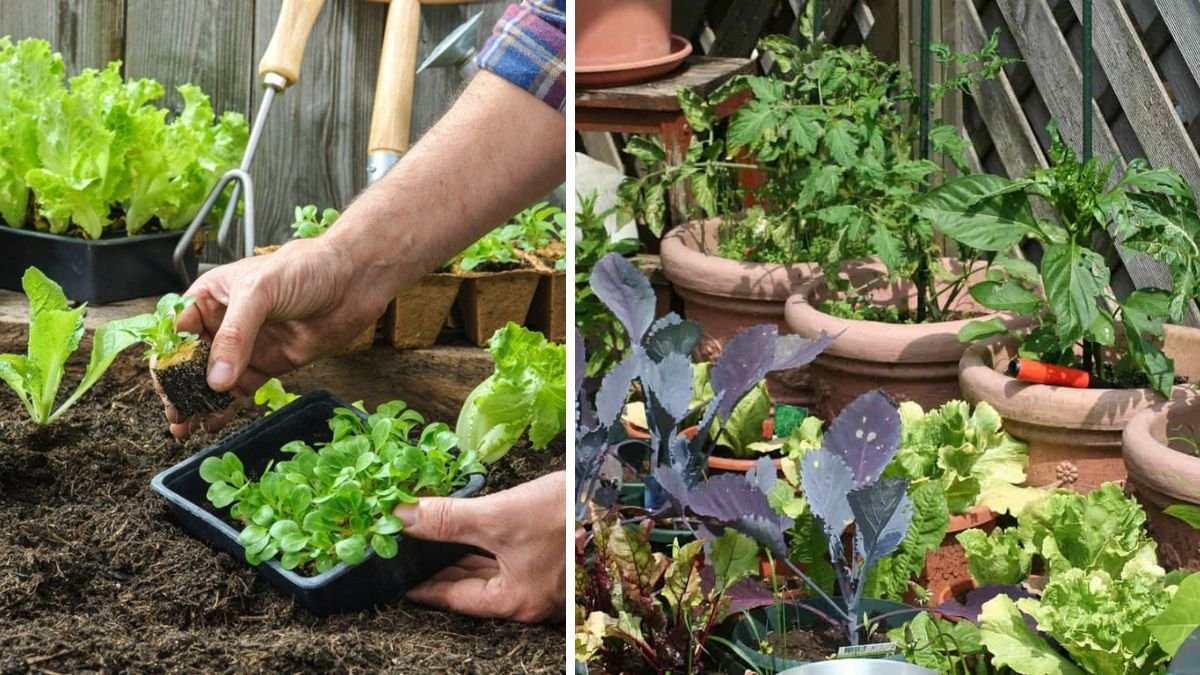
Containers are the most versatile option for growing vegetables without a garden. Pots, grow bags, wooden planters, or even repurposed buckets can serve as homes for vegetables. (Oregon State University Extension)
Latest Posts
- With Just 1 Bottle of Water How I Was Shocked by What Happened When Growing Vegetables
- Maximize Your Home Garden with the Hanging Pea Sprout Growing Model – Space-Saving, High-Yield, and Easy-to-Manage Vertical Gardening Solution
- Just Water – The Secret to Growing Plump, White Peanut Sprouts Right at Home: A Step-by-Step Guide for Beginners
- Growing Zucchini at Home in a Container: How to Cultivate Large, Long Fruits with a 1-to-72 Day Step-by-Step Diary for Maximum Yield
- Grow Long Beans on the Terrace in Used Recycling Baskets: The Ultimate Guide to Easy, Space-Saving, and High-Yield Terrace Gardening
- How to Grow Tons of Long Beans Easily Without a Garden – A Complete Guide to Growing Healthy Yardlong Beans Without Fertilizers or Pesticides
- Easy Long Bean Growing Trick – No Garden, No Fertilizer, No Pesticide
- Grow Bitter Melon in Bottles — Harvest So Big You Can’t Eat It All! The Ultimate Guide to Bottle Gardening for Maximum Yields
- Growing Garlic Made Easy: No Soil, Fast Results – The Ultimate Guide to Growing Fresh Garlic Indoors Without Traditional Soil
- Wall-Mounted Hydroponic Watermelon System: Grow Large, Juicy, and Delicious Watermelons at Home with Minimal Space and Maximum Yield
Steps for Container Gardening:
- Select containers with drainage holes to prevent waterlogging.
- Fill containers with a nutrient-rich potting mix blended with compost.
- Plant seeds or seedlings according to recommended spacing.
- Place containers in areas with adequate sunlight.
Best Vegetables for Containers:
- Leafy greens: lettuce, spinach, kale
- Herbs: basil, parsley, mint
- Small fruits and vegetables: cherry tomatoes, peppers, radishes, carrots
Tips:

- Larger crops like corn or squash require bigger containers.
- Vertical supports or trellises help maximize space for vining plants.
2. Balcony and Rooftop Gardening
Balconies and rooftops are ideal for small-scale vegetable gardening. These spaces often receive more sunlight, which is crucial for plant growth. (Healthline)
How to Utilize Balconies:
- Arrange a mix of large and small pots to optimize space.
- Grow sun-loving vegetables such as tomatoes, peppers, and eggplants in deeper containers.
- Use hanging baskets or vertical structures for climbing vegetables like beans and cucumbers.
Balcony gardens allow for productive vegetable cultivation in a compact space while providing easy access to sunlight and fresh air.
3. Windowsill Gardens
Even without a balcony, windowsills provide opportunities for growing vegetables. Many leafy greens and herbs thrive indoors with sufficient light. (COMPO Indoor Gardening Guide)

Vegetables Ideal for Windowsills:
- Microgreens and sprouts
- Lettuce and spinach
- Small radishes and chard
- Herbs such as parsley, basil, and green onions
Ensure your windowsill receives adequate light (south or west-facing is best), or supplement with LED grow lights for consistent growth.
4. Indoor Soilless Systems
Hydroponic and grow box systems are excellent for growing vegetables indoors without soil. These systems allow plants to grow in nutrient-rich water or media, with many including built-in lighting for year-round growth. (Wikipedia Grow Box)
Advantages:

- Grow vegetables all year round, independent of seasons.
- Efficient use of space, suitable for apartments.
- Reduced risk of pests and soil-borne diseases.
Popular Indoor Vegetables for Hydroponics:
- Leafy greens (lettuce, kale, spinach)
- Herbs (basil, mint, parsley)
- Dwarf tomatoes and peppers
- Strawberries
Hydroponic systems can be DIY or purchased as ready-made kits and fit in kitchens, shelves, or small balcony spaces.
5. Community Gardens
For those without personal outdoor space, community gardens offer access to soil and gardening plots. These shared gardens provide an opportunity to grow larger crops and engage with a supportive gardening community. (Healthline)
Community plots are ideal for growing vegetables that require more space or for gardeners who prefer outdoor cultivation while still living in urban apartments.

Vegetables You Can Grow Without a Garden
Leafy Greens
- Lettuce, kale, spinach
- Fast-growing and suitable for shallow containers
Fruiting Vegetables
- Cherry tomatoes, peppers, eggplants
- Require deeper containers and full sun
Herbs and Salad Add-Ins
- Basil, mint, parsley, green onions
- Grow well in small pots on windowsills or balconies
Root Vegetables
- Carrots, radishes, beets
- Opt for dwarf or baby varieties in containers
Quick-Harvest Options
- Microgreens and sprouts (ready in 7–14 days)
- Ideal for beginners with limited time or space
Tips for Success
- Maximize light: Most vegetables need 4–6 hours of sunlight daily; supplement with grow lights if needed. (Times of India)
- Use quality soil: Nutrient-rich potting mix or compost ensures healthy growth.
- Water consistently: Container plants dry out faster, so monitor soil moisture regularly.
- Feed plants regularly: Use organic or slow-release fertilizers to replenish nutrients.
- Start small: Focus on a few easy crops before expanding your garden.
Why Urban Vegetable Gardening Is Popular
With limited living space in cities and rising interest in sustainability, urban gardening is booming. Residents are embracing container gardens, balcony setups, indoor hydroponics, and community plots. This trend supports food security, healthy eating, and environmental consciousness while making vegetable gardening accessible to everyone. (The Spruce)
Authoritative Sources
- OSU Extension Service – Container Gardening Without Yard Space
- Times of India – Best Apartment Vegetables
- COMPO Indoor Gardening Guide
- Healthline – Growing Food With Limited Space
- Southern Living – Best Indoor Gardens
- News Blue Shield CA – Growing Your Own Food
Conclusion
You don’t need a traditional garden to grow your own vegetables. With containers, balconies, windowsills, hydroponic systems, or community plots, urban dwellers can enjoy fresh, nutritious produce year-round. From leafy greens and herbs to cherry tomatoes and radishes, there’s a vegetable that can thrive in nearly any small space.
Starting a home vegetable garden, even in limited space, is a rewarding way to save money, improve nutrition, and connect with nature. Whether you’re a beginner or an experienced gardener, small-space gardening proves that growing your own food is possible anywhere.