Introduction: Fresh Mushrooms Anytime at Home
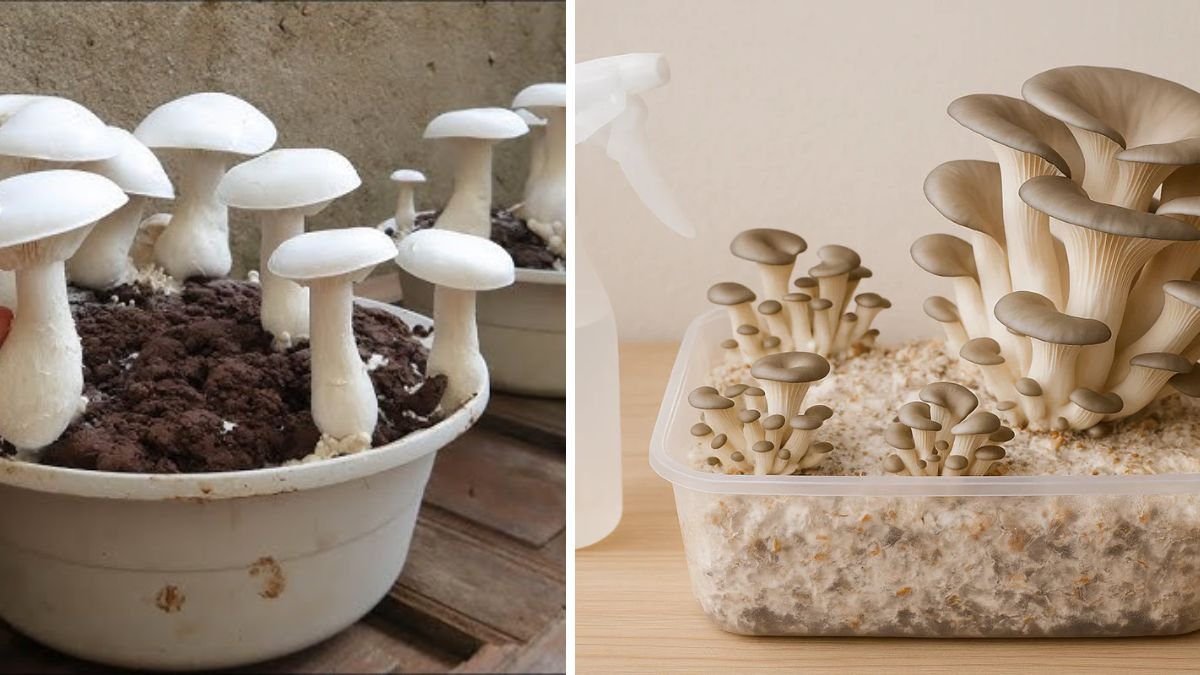
Mushroom cultivation at home is an exciting way to enjoy fresh, nutrient-rich food without needing a garden. Unlike conventional vegetables, mushrooms don’t require soil or direct sunlight; they thrive in clean, humid environments using substrates like straw, sawdust, or coffee grounds. By following the right techniques, home growers can achieve continuous harvests, getting multiple flushes of mushrooms from a single substrate.
Whether you are a beginner, a small-space gardener, or simply a foodie interested in sustainable indoor farming, growing mushrooms at home is both practical and rewarding. With proper care, staggered batches, and attention to environmental conditions, it’s possible to have a steady supply of fresh mushrooms throughout the year.
Understanding Mushroom Growth
Mushrooms grow from mycelium, a network of fungal threads that colonizes the growing substrate. Once fully colonized, the mycelium produces fruiting bodies — the mushrooms we eat. The secret to continuous harvests lies in managing the substrate so it produces multiple flushes over time.
A typical home-grown substrate can yield 2–4 flushes over several weeks. Between each flush, the mycelium rests and then reactivates when conditions are favorable, producing new mushrooms. Understanding this growth cycle is essential for timing environmental adjustments and staggered batch planting. (lykyn.com)
What You Need to Grow Mushrooms at Home
Before starting, ensure you have:
Latest Posts
- With Just 1 Bottle of Water How I Was Shocked by What Happened When Growing Vegetables
- Maximize Your Home Garden with the Hanging Pea Sprout Growing Model – Space-Saving, High-Yield, and Easy-to-Manage Vertical Gardening Solution
- Just Water – The Secret to Growing Plump, White Peanut Sprouts Right at Home: A Step-by-Step Guide for Beginners
- Growing Zucchini at Home in a Container: How to Cultivate Large, Long Fruits with a 1-to-72 Day Step-by-Step Diary for Maximum Yield
- Grow Long Beans on the Terrace in Used Recycling Baskets: The Ultimate Guide to Easy, Space-Saving, and High-Yield Terrace Gardening
- How to Grow Tons of Long Beans Easily Without a Garden – A Complete Guide to Growing Healthy Yardlong Beans Without Fertilizers or Pesticides
- Easy Long Bean Growing Trick – No Garden, No Fertilizer, No Pesticide
- Grow Bitter Melon in Bottles — Harvest So Big You Can’t Eat It All! The Ultimate Guide to Bottle Gardening for Maximum Yields
- Growing Garlic Made Easy: No Soil, Fast Results – The Ultimate Guide to Growing Fresh Garlic Indoors Without Traditional Soil
- Wall-Mounted Hydroponic Watermelon System: Grow Large, Juicy, and Delicious Watermelons at Home with Minimal Space and Maximum Yield
- Mushroom spawn: The starter culture containing live mycelium.
- Growing substrate: Nutrient-rich media such as straw, sawdust, or coffee grounds.
- Containers or bags: Polythene grow bags, buckets, or trays.
- Humidity control tools: Spray bottle or humidifier.
- Clean space and tools: Gloves, disinfectant, and sterilized utensils to prevent contamination.
For a continuous harvest, plan multiple batches in rotation. This ensures a constant supply of mushrooms, with new flushes beginning as older substrates finish. (arasfirma.com)
Step-by-Step Guide to Continuous Mushroom Harvest
1. Prepare the Substrate
Select your substrate, like straw or sawdust, and soak or pasteurize it to eliminate competing microbes. Soak straw in hot water until damp but not waterlogged (~50–55% moisture). Proper substrate preparation is critical for healthy mycelium growth. (trustbasket.com)
2. Mix in the Spawn
Once your substrate is ready, evenly mix in the mushroom spawn. Use clean tools and sanitized hands to avoid contamination. This ensures faster, uniform colonization of the substrate by mycelium. (herzindagi.com)
3. Incubate the Substrate
Place the inoculated substrate in a dark, humid, moderately warm location (typically 20–28 °C). Over the next 2–3 weeks, the mycelium will colonize the substrate, turning it white and preparing it for fruiting. (agristudoc.com)
4. Initiate Fruiting
After full colonization, move the substrate to a fruiting area with high humidity (75–90%) and good airflow. Avoid direct sunlight; indirect light is sufficient to stimulate fruiting. Slightly lower temperatures can help trigger mushroom pinning. (agristudoc.com)
5. Harvest the First Flush
Mushrooms will appear as “pins” and mature within 5–7 days. Harvest them when caps are firm, using gentle twisting or a clean knife. Frequent harvesting encourages the mycelium to produce subsequent flushes. (agristudoc.com)
6. Encourage Additional Flushes
Allow the substrate to rest for about a week. Some growers soak the substrate in cool water to rehydrate it, stimulating another flush. Repeat the fruiting conditions (humidity, fresh air) to encourage continuous production. (lykyn.com)
Tips for Continuous Home Harvests
- Staggered Planting: Begin new batches every 1–2 weeks to maintain a steady supply of mushrooms. (arasfirma.com)
- Maintain Environment: Keep humidity high and temperature consistent. Use a spray bottle or humidifier as needed. (housing.com)
- Cleanliness: Sanitize all tools and surfaces to prevent contamination. (herzindagi.com)
- Record Keeping: Track substrate types, spawn dates, and flush timing to refine your technique. (niir.org)
Harvesting Best Practices
- Regular Harvests: Pick mushrooms when caps are firm and before gills darken.
- Gentle Handling: Twist or cut mushrooms carefully to avoid damaging the remaining mycelium.
- Storage: Store freshly harvested mushrooms in a cool, ventilated environment and consume within a few days. (housing.com)
Advantages of Continuous Home Harvests
- Freshness: Mushrooms can be harvested daily or weekly.
- Sustainability: Minimal resources and reusable equipment.
- Nutrition: Rich in protein, fiber, vitamins, and antioxidants.
- Cost Efficiency: Substrates and spawn are inexpensive and multiply over multiple flushes.
- Year-Round Availability: Indoor cultivation ensures mushrooms even during off-seasons.
Authoritative Sources to Reference
- Lykyn – Grow Your Own Mushrooms: Tips on multiple flushes and substrate care. (lykyn.com)
- Almanac – Mushroom Cultivation Guide: Beginner-friendly indoor setup. (almanac.com)
- Housing.com – Home Mushroom Farming: Environment, humidity, and harvest tips. (housing.com)
- Herzindagi – Home Mushroom Guide: Sterilization, spawn mixing, and substrate selection. (herzindagi.com)
Conclusion
Growing mushrooms at home for a continuous harvest is an achievable and rewarding project. By mastering substrate preparation, spawn mixing, environmental control, and harvesting techniques, home growers can enjoy fresh mushrooms year-round. Staggering multiple batches ensures a consistent supply, while attention to humidity, temperature, and hygiene maximizes productivity.
With practice, you can turn even a small indoor space into a sustainable, productive mushroom-growing environment, providing a steady stream of fresh, nutritious fungi for your meals and snacks.