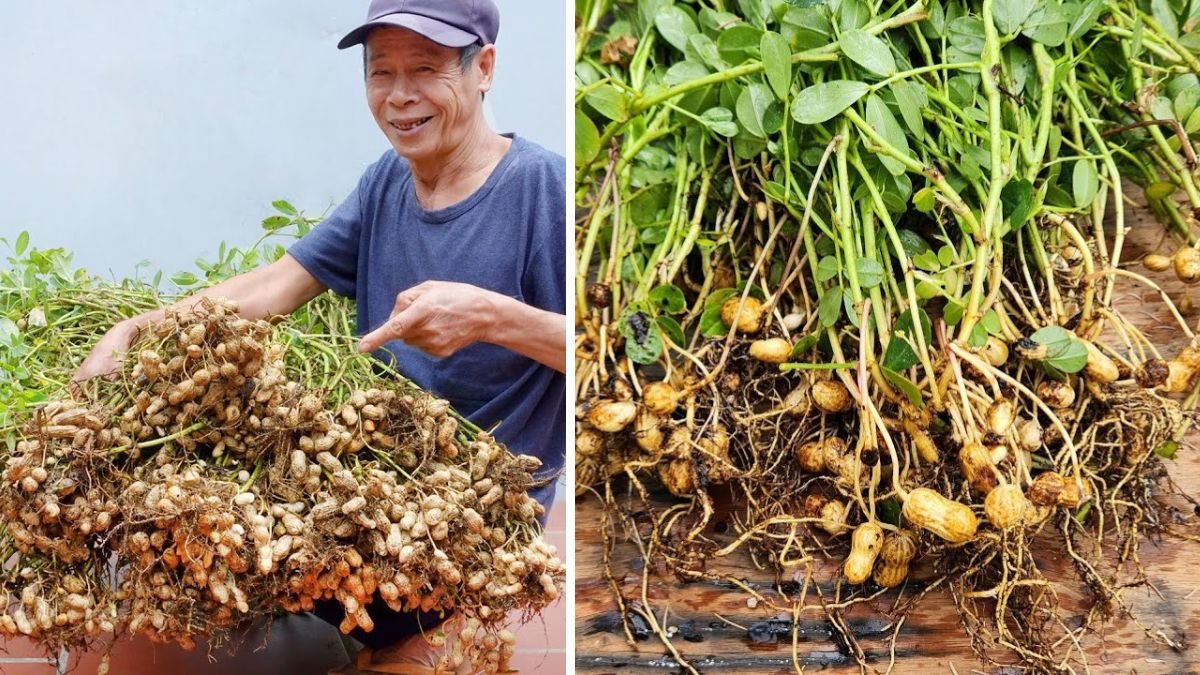
Introduction: The Joy of Growing Your Own Peanuts
Peanuts (Arachis hypogaea) are not only delicious but also surprisingly fun to grow at home. Unlike most vegetables, peanut plants produce flowers above ground while developing pods below the soil — a unique process that makes home gardening both educational and rewarding. Growing peanuts in your garden, raised beds, or even containers allows you to enjoy fresh, organic peanuts while learning about an unusual plant life cycle.
Peanuts are legumes, meaning they enrich the soil by fixing nitrogen, benefiting subsequent crops. Whether you’re a beginner gardener or an experienced grower looking for a fun project, growing peanuts at home is a simple and rewarding activity. In 2026, gardeners are experimenting with innovative techniques that make this crop more accessible and yield better results.
Why Grow Peanuts at Home?
Full Sun and Warm Conditions
Peanuts thrive in full sunlight, requiring at least 8 hours per day. They prefer warm weather with soil temperatures consistently above 65 °F (18 °C). While traditionally grown in subtropical climates, home gardeners in cooler areas can successfully cultivate peanuts by using containers, raised beds, or greenhouses.
Fun and Educational
Growing peanuts offers a unique opportunity to watch the fascinating pegging process, where fertilized flowers push into the soil to form pods. It’s a perfect project for children, hobby gardeners, and anyone interested in exploring unusual plant growth cycles.
Soil Health Benefits
As nitrogen-fixing legumes, peanuts enrich the soil, making them excellent companions in crop rotation or mixed garden beds. This ecological benefit is an added bonus to the enjoyment of harvesting your own nuts.
Latest Posts
- With Just 1 Bottle of Water How I Was Shocked by What Happened When Growing Vegetables
- Maximize Your Home Garden with the Hanging Pea Sprout Growing Model – Space-Saving, High-Yield, and Easy-to-Manage Vertical Gardening Solution
- Just Water – The Secret to Growing Plump, White Peanut Sprouts Right at Home: A Step-by-Step Guide for Beginners
- Growing Zucchini at Home in a Container: How to Cultivate Large, Long Fruits with a 1-to-72 Day Step-by-Step Diary for Maximum Yield
- Grow Long Beans on the Terrace in Used Recycling Baskets: The Ultimate Guide to Easy, Space-Saving, and High-Yield Terrace Gardening
- How to Grow Tons of Long Beans Easily Without a Garden – A Complete Guide to Growing Healthy Yardlong Beans Without Fertilizers or Pesticides
- Easy Long Bean Growing Trick – No Garden, No Fertilizer, No Pesticide
- Grow Bitter Melon in Bottles — Harvest So Big You Can’t Eat It All! The Ultimate Guide to Bottle Gardening for Maximum Yields
- Growing Garlic Made Easy: No Soil, Fast Results – The Ultimate Guide to Growing Fresh Garlic Indoors Without Traditional Soil
- Wall-Mounted Hydroponic Watermelon System: Grow Large, Juicy, and Delicious Watermelons at Home with Minimal Space and Maximum Yield

Step-by-Step Guide: Growing Peanuts at Home
Here’s a complete beginner-friendly guide to successfully grow peanuts at home:
1. Choose the Right Variety
Not all peanuts are suitable for home gardens. Select varieties based on your climate and purpose:
- Runner peanuts (e.g., Florunner) — good general-purpose peanuts.
- Valencia peanuts — sweet taste, ideal for snacking.
- Spanish peanuts — high oil content, great for baking and roasting.
Choosing the right variety is crucial for successful germination and harvest.
2. Prepare Your Planting Site
Peanuts require loose, sandy, well-draining soil. Loosen the soil 12–18 inches deep and enrich it with compost to provide nutrients. For gardeners with limited space, deep containers or fabric grow bags work well.
Select a sunny location or balcony with maximum light exposure. Sunlight is critical to ensure the plants flower and produce healthy pods.

3. Plant the Seeds
Use raw, unsalted peanuts in the shell. Roasted or salted peanuts will not sprout. Plant each peanut 1–2 inches deep and space them 6–8 inches apart, with rows 20–24 inches apart. This spacing allows for airflow, reducing disease risk and supporting healthy growth.
4. Watering and Care
Peanuts prefer moist but not waterlogged soil, particularly during flowering and pegging stages. Once established, provide about 1 inch of water per week. Reduce watering 10–14 days before harvest to allow the pods to mature fully.
Mulching can help retain soil moisture and regulate temperature, especially in warm climates.
5. Support the Pegging Stage
After pollination, peanut flowers develop pegs that grow downward into the soil to form pods. This stage requires loose, undisturbed soil to allow proper development. Observing this unique process is one of the most fascinating parts of growing peanuts.
Growing Peanuts in Containers: Perfect for Small Spaces
Even if you lack garden space, peanuts can thrive in containers or patio gardens. Follow these tips:

- Use large pots or deep grow bags with well-draining soil.
- Place them in a sunny spot, preferably with 8+ hours of sunlight.
- Ensure soil temperatures remain warm (65–70 °F or higher) for optimal growth.
Container gardening allows urban gardeners and those in cooler climates to start peanuts indoors under grow lights, then move them outdoors when temperatures rise.
Harvesting and Curing Your Peanuts
Peanuts typically require 100–150 days from planting to harvest, depending on variety and growing conditions. Signs that your peanuts are ready include:
- Yellowing leaves.
- Browning or drying stems.
To harvest, gently loosen the soil around the plant and pull up the entire plant. The pods hang from the roots and are ready for curing.
Curing steps:
- Brush off excess soil.
- Dry in a cool, ventilated area for 1–2 weeks.
- Store shelled peanuts in a cool, dry place for several months.
Proper curing ensures flavor development and extends storage life.

Unexpected Results and Tips for Success
Peanuts May Surprise You
Gardeners sometimes notice peanuts sprouting in unusual areas, especially where wildlife buries seeds. This is a reminder that peanuts can adapt and grow under favorable conditions, even unexpectedly.
Temperature Matters
Peanuts require warmth. In cooler climates, use greenhouses, raised beds, or plastic mulch to maintain ideal soil temperatures. Starting seeds indoors can extend the growing season, allowing successful harvest even in short summers.
Label Your Plants
Young peanut seedlings resemble beans. Labeling your plants helps prevent confusion with weeds, ensuring proper care and harvesting at the right time.
Background: Understanding Peanut Growth
Peanuts are unique among crops because they flower above ground but develop edible pods underground. This pegging process makes peanut cultivation especially engaging. As legumes, they improve soil nitrogen levels, benefiting both the current crop and future plantings.
Home peanut gardening combines fun, education, and nutrition, making it an ideal project for family gardens or anyone interested in self-sufficient food growing.

Authoritative Sources for Further Reading
To learn more about peanut cultivation at home:
- National Peanut Board — How to Grow Peanuts at Home: Step-by-step gardening fundamentals. (nationalpeanutboard.org)
- Almanac.com — Complete Guide to Growing Peanuts: Detailed planting, care, and harvest tips. (almanac.com)
- PlantNative.org — Growing Peanuts Indoors and Outdoors: Tips for containers and small-space gardens. (plantnative.org)
- Yates Australia — Gardening Peanut Guide: Practical advice on watering and soil preparation. (yates.com.au)
Conclusion: A Simple, Rewarding Home Gardening Project
Growing peanuts at home is extremely easy and rewarding, even for beginners. With minimal effort, sunny conditions, and proper care, anyone can enjoy fresh, organic peanuts.
Whether you choose a garden bed, raised planter, or container, the experience of watching peanut plants flower, peg, and produce pods underground is unique and educational. Beyond the delicious harvest, peanuts enrich the soil and provide a fun project for family gardening or solo hobbyists.
Next growing season, grab some raw peanuts and try growing peanuts at home — the results may surprise and delight you!