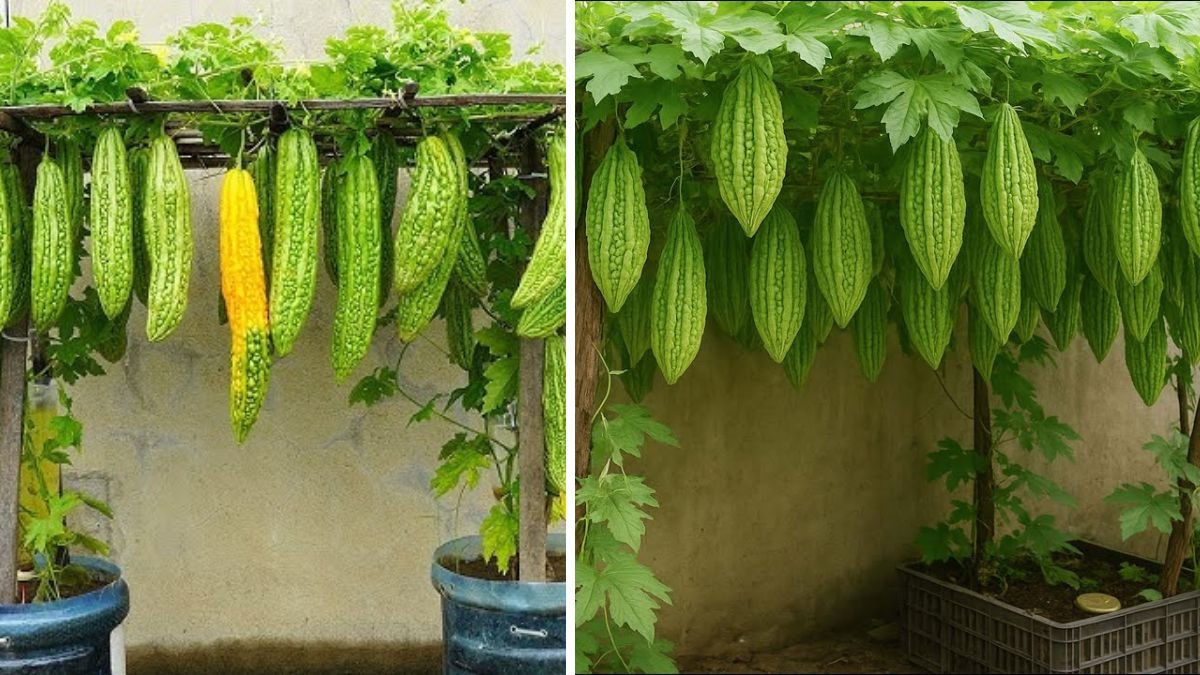
Bitter melon, also known as bitter gourd or Momordica charantia, is a tropical vine celebrated for its nutritious, health-boosting fruits. Many home gardeners are discovering that with the right techniques, they can grow bitter melon with many fruits, large and long fruits at home — even in limited spaces such as balconies, container gardens, or small backyard plots. This article guides you step-by-step to achieve abundant harvests of healthy, flavorful bitter melons.
Why Grow Bitter Melon at Home?
Bitter melon is both productive and versatile. It thrives in warm climates, grows rapidly, and responds well to proper care, producing a high number of fruits per vine. Home cultivation ensures pesticide-free produce and allows gardeners to control growth conditions for maximum yield. With simple strategies — like trellis support, nutrient-rich soil, and regular harvesting — even small urban gardens can yield many large, long fruits.
Additionally, bitter melon is valued for its culinary and medicinal uses. It is commonly incorporated into stir-fries, curries, and juices, and is praised for its ability to support healthy blood sugar levels. Growing your own ensures freshness, quality, and consistency in size and flavor.
Step 1: Choose the Right Location and Prepare the Soil
Bitter melon requires full sun — at least 6–8 hours of direct sunlight daily — to thrive and produce abundant fruits. Select a site that is warm, sheltered from strong winds, and well-draining.
Prepare the soil by incorporating rich organic matter such as compost or well-aged manure. The ideal soil pH is slightly acidic to neutral (6.0–7.0). Fertile soil provides the nutrients needed for vigorous vine growth and healthy fruit formation. If you are planting in containers or grow bags, ensure the containers are large enough (at least 12–15 inches deep) to accommodate root growth.
Latest Posts
- With Just 1 Bottle of Water How I Was Shocked by What Happened When Growing Vegetables
- Maximize Your Home Garden with the Hanging Pea Sprout Growing Model – Space-Saving, High-Yield, and Easy-to-Manage Vertical Gardening Solution
- Just Water – The Secret to Growing Plump, White Peanut Sprouts Right at Home: A Step-by-Step Guide for Beginners
- Growing Zucchini at Home in a Container: How to Cultivate Large, Long Fruits with a 1-to-72 Day Step-by-Step Diary for Maximum Yield
- Grow Long Beans on the Terrace in Used Recycling Baskets: The Ultimate Guide to Easy, Space-Saving, and High-Yield Terrace Gardening
- How to Grow Tons of Long Beans Easily Without a Garden – A Complete Guide to Growing Healthy Yardlong Beans Without Fertilizers or Pesticides
- Easy Long Bean Growing Trick – No Garden, No Fertilizer, No Pesticide
- Grow Bitter Melon in Bottles — Harvest So Big You Can’t Eat It All! The Ultimate Guide to Bottle Gardening for Maximum Yields
- Growing Garlic Made Easy: No Soil, Fast Results – The Ultimate Guide to Growing Fresh Garlic Indoors Without Traditional Soil
- Wall-Mounted Hydroponic Watermelon System: Grow Large, Juicy, and Delicious Watermelons at Home with Minimal Space and Maximum Yield
Step 2: Seed Preparation and Sowing
To ensure strong germination, soak seeds in warm water for 12–24 hours before sowing. This softens the seed coat and promotes faster sprouting. Plant seeds about 1 inch deep in the soil or in seed trays if starting indoors. Germination typically occurs within 7–10 days.
If sowing directly outdoors, space seeds 2–3 feet apart to allow vines room to spread. Proper spacing reduces competition for light, water, and nutrients, ensuring each plant has the energy to produce large and long fruits.
Step 3: Provide Support with a Trellis
Bitter melon is a climbing vine, and providing vertical support is crucial. Installing a sturdy trellis, bamboo stakes, or netting allows vines to grow upwards instead of sprawling on the ground. Vertical growth has multiple benefits:
- Fruits remain cleaner and straighter.
- Air circulation improves, reducing disease risk.
- Sunlight exposure increases, boosting flowering and fruiting.
A well-supported vine can grow 10–20 feet in one season, producing numerous fruits along the trellis. This system is particularly valuable in small gardens or balcony setups.
Step 4: Watering and Moisture Management
Bitter melon has high water requirements, especially during flowering and fruiting. Keep the soil consistently moist but not waterlogged. Deep watering every 2–3 days is ideal in hot weather.
- Water at the soil base, not over the foliage, to prevent fungal infections.
- Apply mulch, such as straw or dried leaves, to retain moisture and regulate soil temperature.
- Ensure containers have drainage holes to avoid root rot.
Consistent watering supports healthy vine growth and encourages continuous fruiting. Dry soil or irregular watering can reduce fruit size and quantity.
Step 5: Fertilize for Maximum Fruit Production
Bitter melon is a heavy feeder. Fertilization plays a key role in achieving many fruits and larger sizes:
- During vegetative growth, use a balanced fertilizer to encourage strong vine development.
- Once flowering begins, switch to fertilizers higher in phosphorus and potassium to promote flower and fruit formation.
- Organic options like compost tea, liquid seaweed, or well-rotted manure provide nutrients without harming soil health.
Feed plants every 2–3 weeks during the growing season. Proper nutrition ensures the vines have sufficient energy to produce high-yielding, large, and long fruits.
Step 6: Training and Pruning
Pruning helps redirect the plant’s energy from excessive foliage to fruit production:
- Pinch off the main vine tip once it reaches the top of the trellis to encourage lateral branching.
- Remove weak, damaged, or yellowing leaves to improve sunlight penetration and airflow.
- Limit lateral branches to 2–3 feet to maintain vine focus on fruiting.
Training and pruning are essential for maximizing fruit size and quantity, particularly in confined spaces.
Step 7: Pollination
Bitter melon produces separate male and female flowers, and proper pollination is essential for fruit set.
- Encourage natural pollinators like bees by planting companion flowering plants nearby.
- In indoor or urban setups with limited pollinator activity, hand-pollinate by transferring pollen from male to female flowers using a small brush.
Effective pollination significantly increases the number of fruits a vine produces and ensures that fruits develop fully.
Step 8: Harvesting at Peak Ripeness
Bitter melons typically take 60–70 days from planting to harvest. For large, long fruits, harvest when they are firm, bright green, and before seeds mature. Overripe fruits turn yellow, become excessively bitter, and can signal the vine to slow further fruit production.
Regular harvesting every few days encourages continuous flowering and fruiting, maximizing yield throughout the season.
Tips for Bigger, Longer, and More Fruits
- Even sunlight exposure: Rotate containers or adjust trellises for uniform light.
- Succession planting: Plant seeds every few weeks to ensure a continuous harvest.
- Container gardening: Use large tubs or crates to allow robust root growth.
- Pest management: Apply neem oil or organic pest control for aphids, whiteflies, or melon flies.
- Avoid over-fertilizing with nitrogen: Excess nitrogen promotes foliage at the expense of fruiting.
These techniques help home gardeners achieve more fruits of higher quality in limited spaces.
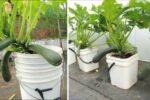
Background: Bitter Melon in Urban Gardening
Bitter melon is increasingly popular in urban agriculture because it is space-efficient, high-yielding, and nutritionally valuable. Vertical gardening, container planting, and balcony setups allow even city dwellers to cultivate this healthful vine. Its prolific flowering, combined with proper care, makes it ideal for home gardens seeking both volume and size in harvests.
Urban gardeners benefit from fresh, pesticide-free bitter melons, reducing grocery costs while gaining a nutritious, versatile crop. With consistent care, home-grown bitter melon can supply a family with a steady stream of fruits throughout the season.
Suggested Authoritative Sources
- Gardener Guidebook — How to Grow Bitter Melon at Home (gardenerguidebook.com)
- Cafe Madras — Container Bitter Melon Gardening (cafemadras.org)
- Times of India — Bitter Gourd Planting Guide (indiatimes.com)
- Agri Farming — Bitter Gourd in Pots (agrifarming.in)
- Sweetish Hill — Bitter Melon Growth Timeline (sweetishhill.com)
These sources provide practical tips, planting guidance, and research-backed information for successful home cultivation.
Conclusion
Growing bitter melon with many fruits and achieving large, long fruits at home is entirely achievable with the right approach. From choosing the right seeds and soil preparation to providing trellis support, consistent watering, fertilization, and proper pruning, each step contributes to abundant harvests.
Even gardeners with limited space can enjoy a steady supply of fresh, nutritious, home-grown bitter melons. Regular harvesting and pollination management ensure that vines continue to flower and produce throughout the growing season.
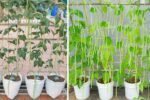
With dedication and proper care, your home garden can yield many large, long, and delicious bitter melons — making this an amazing idea for anyone looking to grow their own high-yield vegetable crops.