Introduction
Urban living often means limited access to outdoor garden space, yet the desire to grow fresh, healthy vegetables at home continues to rise. One plant that perfectly fits this lifestyle is Malabar spinach. With its fast growth, climbing habit, and tolerance for heat, Malabar spinach has become a favorite among home gardeners who want maximum yield in minimal space.
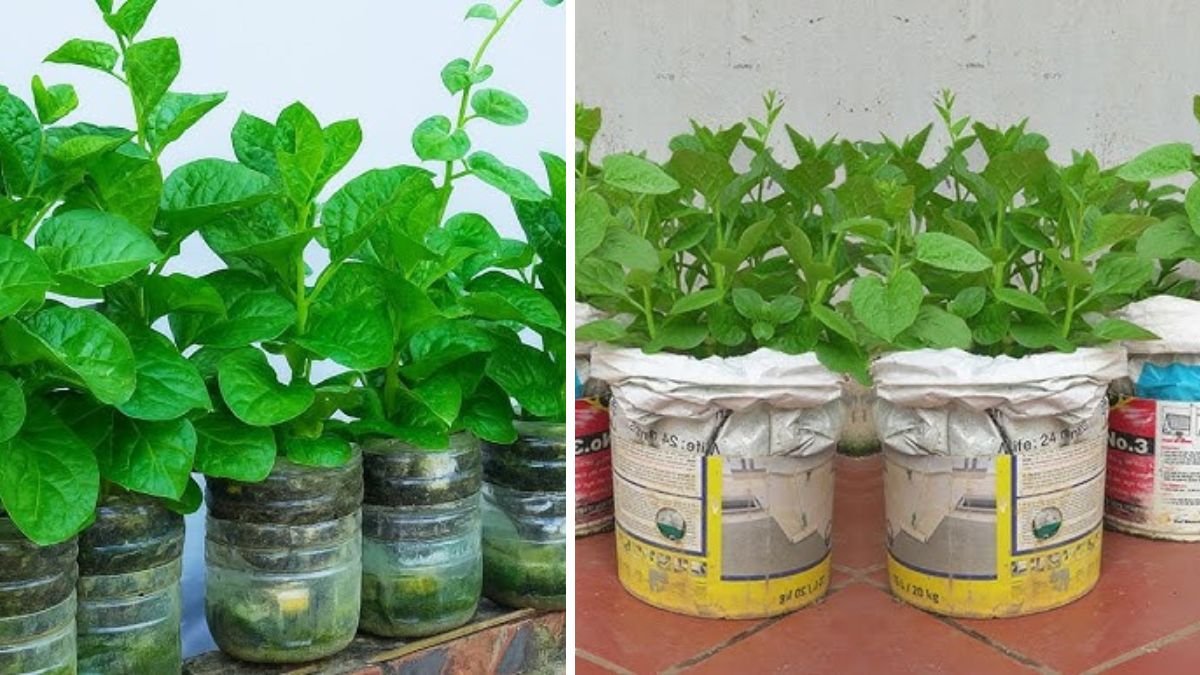
This article explores Great Ideas | How to Grow Malabar Spinach at Home for Small Spaces, offering practical guidance for beginners and experienced gardeners alike. From container selection and vertical supports to planting, care, and harvesting, this guide shows how even a small balcony, terrace, or sunny window can become a productive green haven.
Background: Why Malabar Spinach Is Gaining Popularity
Malabar spinach (Basella alba or Basella rubra) is not a true spinach but a tropical leafy vegetable widely grown in Asia and Africa. Unlike traditional spinach, which struggles in warm weather, Malabar spinach thrives in heat and humidity. This makes it especially suitable for home gardeners in warm climates or those growing vegetables during summer months.
Recent gardening trends emphasize urban farming, vertical gardening, and container growing, and Malabar spinach fits perfectly into all three. Its ability to climb upward rather than spread outward allows gardeners to grow more food in less space. As sustainability and self-sufficiency gain importance, Malabar spinach is increasingly recommended as a low-maintenance, high-yield crop for small homes.
Benefits of Growing Malabar Spinach in Small Spaces
1. Ideal for Vertical Gardening
Malabar spinach grows as a vigorous vine that can climb trellises, poles, or netting. This upward growth habit makes it ideal for balconies, patios, and terraces where floor space is limited.
Latest Posts
- With Just 1 Bottle of Water How I Was Shocked by What Happened When Growing Vegetables
- Maximize Your Home Garden with the Hanging Pea Sprout Growing Model – Space-Saving, High-Yield, and Easy-to-Manage Vertical Gardening Solution
- Just Water – The Secret to Growing Plump, White Peanut Sprouts Right at Home: A Step-by-Step Guide for Beginners
- Growing Zucchini at Home in a Container: How to Cultivate Large, Long Fruits with a 1-to-72 Day Step-by-Step Diary for Maximum Yield
- Grow Long Beans on the Terrace in Used Recycling Baskets: The Ultimate Guide to Easy, Space-Saving, and High-Yield Terrace Gardening
- How to Grow Tons of Long Beans Easily Without a Garden – A Complete Guide to Growing Healthy Yardlong Beans Without Fertilizers or Pesticides
- Easy Long Bean Growing Trick – No Garden, No Fertilizer, No Pesticide
- Grow Bitter Melon in Bottles — Harvest So Big You Can’t Eat It All! The Ultimate Guide to Bottle Gardening for Maximum Yields
- Growing Garlic Made Easy: No Soil, Fast Results – The Ultimate Guide to Growing Fresh Garlic Indoors Without Traditional Soil
- Wall-Mounted Hydroponic Watermelon System: Grow Large, Juicy, and Delicious Watermelons at Home with Minimal Space and Maximum Yield
2. Thrives in Heat
While many leafy greens bolt in warm weather, Malabar spinach grows best in high temperatures. This makes it an excellent summer green when other vegetables fail.
3. Nutrient-Dense Leaves
Malabar spinach is rich in vitamins A and C, iron, calcium, and antioxidants. It supports digestion, immunity, and overall health while being easy to incorporate into daily meals.

4. Continuous Harvest
Once established, the plant produces leaves continuously. Regular harvesting encourages fresh growth, providing a steady supply of greens for months.
Choosing the Right Location
Malabar spinach needs sunlight, warmth, and airflow to grow well. Choose a spot that receives at least 4–6 hours of direct sunlight daily. Balconies facing east or south are ideal. If sunlight is limited, supplemental grow lights can be used indoors.
Temperature is equally important. Malabar spinach grows best between 18°C and 30°C (65°F–85°F). Cold conditions slow growth, so it is best planted during warmer months or grown indoors in cooler climates.
Selecting Containers for Small Spaces
Container choice plays a key role in healthy plant growth.
- Use pots or grow bags that are at least 12 inches deep and wide
- Ensure proper drainage holes to prevent root rot
- Lightweight containers are ideal for balconies and vertical setups
You can also use tiered planters or vertical garden systems to grow multiple plants in one compact area. Larger containers retain moisture better and support stronger root systems.
Soil Preparation
Malabar spinach prefers loose, fertile, and well-draining soil. A good potting mix can be made using:
- Garden soil or coco peat
- Compost or well-rotted manure
- Sand or perlite for drainage
The soil should be rich in organic matter to support rapid leafy growth. Adding compost before planting helps provide essential nutrients naturally.

Planting Methods: Seeds and Cuttings
Growing From Seeds
Seeds can be soaked overnight to improve germination. Sow them about ½ inch deep, keep the soil moist, and place the container in a warm spot. Germination usually takes 10–20 days depending on temperature.
Growing From Cuttings
Growing Malabar spinach from cuttings is faster and easier. Take a 4–6 inch stem cutting, remove the lower leaves, and place it directly in soil or water until roots develop. This method significantly reduces the time to harvest.
Vertical Support and Training
Providing support is essential, especially in small spaces. Use:
- Bamboo stakes
- Trellises
- Netting
- Balcony railings
As the plant grows, gently guide the vines upward. Vertical growth improves air circulation, reduces disease risk, and makes harvesting easier. It also enhances the visual appeal of your garden, turning it into a living green wall.
Watering and Maintenance
Malabar spinach prefers consistently moist soil, but overwatering should be avoided.
- Water when the top inch of soil feels dry
- Mulch the surface to retain moisture
- Avoid waterlogging, which can cause root issues
Because container plants dry out faster, daily monitoring is important, especially during hot weather.
Fertilizing for Healthy Growth
Feed the plant every 3–4 weeks with organic compost, vermicompost, or liquid organic fertilizer. Excess nitrogen is not necessary, as it may promote excessive vine growth with fewer leaves.

Organic feeding ensures tender, flavorful leaves and supports long-term soil health in containers.
Pruning and Growth Control
Regular pruning is key to productive plants. Pinch off the growing tips to encourage bushier growth. Removing older leaves and excess vines helps redirect energy into fresh leaf production.
Pruning also prevents overcrowding in small spaces and delays flowering, which can affect leaf quality.
Harvesting Malabar Spinach
Harvesting can begin once the plant is well established and has produced several leaves.
- Pick young, tender leaves regularly
- Cut stems just above leaf nodes to encourage regrowth
- Harvest every 7–10 days for continuous supply
Frequent harvesting keeps the plant productive and improves leaf texture and taste.
Culinary Uses and Storage
Malabar spinach has a mild flavor and slightly thick texture when cooked. It is widely used in:
- Stir-fries
- Soups and stews
- Curries
- Omelets and sautés
The leaves can be stored in the refrigerator for a few days, but fresh harvesting provides the best flavor and nutrition.

Common Problems and Solutions
Pests
Aphids and caterpillars may occasionally appear. Neem oil spray or manual removal is usually sufficient.
Poor Growth
Lack of sunlight or nutrients can slow growth. Ensure adequate light and organic feeding.
Bitter Leaves
Allowing the plant to flower may affect taste. Regular pruning and harvesting help maintain leaf quality.
Why Malabar Spinach Is Perfect for Small Homes
Growing Malabar spinach is one of the great ideas for home gardening in small spaces. It requires minimal investment, adapts well to containers, and produces abundant greens throughout the season. Whether you live in an apartment, a rented home, or a house with limited outdoor space, this plant offers a reliable way to grow nutritious food at home.
Suggested Authoritative Sources
For further reading and validation, explore these trusted resources:
- Gardening guides on urban and vertical farming
- Horticulture extension resources on leafy greens
- Sustainable home gardening publications
- Educational gardening platforms focused on container vegetables
These sources provide science-based insights and practical techniques for successful small-space gardening.
Conclusion
Great Ideas | How to Grow Malabar Spinach at Home for Small Spaces proves that limited space is no barrier to productive gardening. With the right container, vertical support, sunlight, and care, Malabar spinach can flourish in balconies, terraces, patios, and even indoors.

This heat-tolerant, nutrient-rich plant rewards gardeners with continuous harvests, minimal maintenance, and versatile culinary uses. For anyone looking to grow fresh greens sustainably and efficiently, Malabar spinach is a smart, space-saving choice that turns even the smallest home into a thriving edible garden.