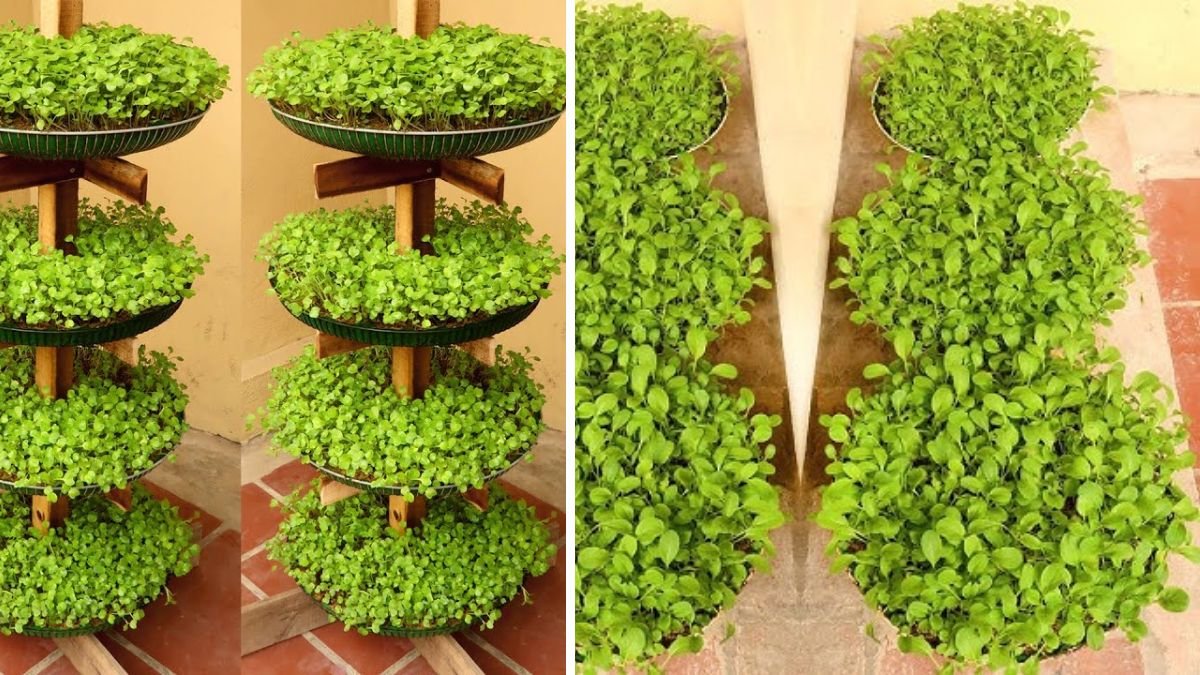
Sustainability and creativity often go hand in hand, especially in urban gardening. One of the most inventive ways gardeners are upcycling household items in 2026 is by recycling old fan cages to grow vegetables at home. This clever technique turns what would otherwise be waste into a vertical gardening framework, perfect for small spaces like balconies, patios, or rooftops. Beyond its practical benefits, this method also encourages eco-friendly habits and reduces plastic and metal waste.
Using fan cages as the skeleton for a vertical garden is ideal for home growers who want to maximize space, save money, and cultivate fresh, nutritious vegetables without the need for traditional garden beds. This article provides a step-by-step guide, practical tips, and inspiration for using fan cages as vegetable planters.
Why Recycle Fan Cages for Gardening?
Old fan cages — the protective grills that shield fan blades — are typically made from durable metal or plastic. When no longer in use, they often end up in trash, contributing to household waste. By repurposing these cages, gardeners can take advantage of their sturdy structure for vertical gardening.
Benefits of Using Fan Cages for Vegetables:
- Waste Reduction – Reusing fan cages prevents metal and plastic from entering landfills, turning discarded items into functional gardening tools. (YouTube)
- Space Efficiency – Vertical gardens make it possible to grow more vegetables in compact spaces, which is ideal for apartments or urban homes.
- Cost-Effectiveness – Instead of purchasing new trellises or towers, old fan cages can serve as ready-made frameworks.
- Functional Support – The open mesh design allows climbing plants like beans or cucumbers to grow naturally while enabling sunlight and airflow to reach all plant sections. (Pinterest)
How Fan Cage Gardens Work
The concept is simple yet ingenious: transform a fan cage into a vertical vegetable tower. Here’s the basic process:
- Remove fan blades and motors from the cage.
- Clean the cage thoroughly to remove dust and residue.
- Treat the cage with paint or sealant to prevent rust (for metal) or weathering (for plastic).
- Position the cage vertically, either freestanding, mounted, or hanging.
- Line portions of the cage with fabric, netting, or small pots to hold soil and plants.
- Plant vegetable seedlings in each section, watering and maintaining regularly.
This setup allows multiple plants to grow stacked vertically, conserving space while creating an attractive and functional home garden. (YouTube)
Latest Posts
- With Just 1 Bottle of Water How I Was Shocked by What Happened When Growing Vegetables
- Maximize Your Home Garden with the Hanging Pea Sprout Growing Model – Space-Saving, High-Yield, and Easy-to-Manage Vertical Gardening Solution
- Just Water – The Secret to Growing Plump, White Peanut Sprouts Right at Home: A Step-by-Step Guide for Beginners
- Growing Zucchini at Home in a Container: How to Cultivate Large, Long Fruits with a 1-to-72 Day Step-by-Step Diary for Maximum Yield
- Grow Long Beans on the Terrace in Used Recycling Baskets: The Ultimate Guide to Easy, Space-Saving, and High-Yield Terrace Gardening
- How to Grow Tons of Long Beans Easily Without a Garden – A Complete Guide to Growing Healthy Yardlong Beans Without Fertilizers or Pesticides
- Easy Long Bean Growing Trick – No Garden, No Fertilizer, No Pesticide
- Grow Bitter Melon in Bottles — Harvest So Big You Can’t Eat It All! The Ultimate Guide to Bottle Gardening for Maximum Yields
- Growing Garlic Made Easy: No Soil, Fast Results – The Ultimate Guide to Growing Fresh Garlic Indoors Without Traditional Soil
- Wall-Mounted Hydroponic Watermelon System: Grow Large, Juicy, and Delicious Watermelons at Home with Minimal Space and Maximum Yield
Step-by-Step Guide to Building Your Fan Cage Vegetable Garden
Step 1: Collect Materials
You will need:
- An old fan cage (metal or hard plastic)
- Zip ties or clips
- Fabric liners or small pots
- Potting soil and compost
- Vegetable seedlings
- Optional: paint, sealant, or weatherproofing spray
Ensure the cage is free from sharp edges or broken sections.
Step 2: Prepare the Fan Cage
Clean the cage thoroughly to remove grease and dust. Apply rust-proof paint if the cage is metal or a UV-protective coating for plastic cages. This increases durability when placed outdoors. (MacGyverisms)
Step 3: Position the Cage
Decide whether to mount the cage vertically against a wall, stack multiple cages, or hang from a hook. Ensure proper spacing to allow sunlight and airflow to reach all plants.
Step 4: Line Planting Sections
Attach fabric liners, small pots, or biodegradable containers within the fan cage segments. These will hold soil and seedlings without falling through the mesh openings.
Step 5: Add Soil and Seedlings
Fill each lined section with a nutrient-rich potting mix. Plant your chosen vegetables, ensuring roots are covered and soil is pressed gently around seedlings.
Step 6: Water and Maintain
Water evenly and carefully to avoid soil runoff. Keep the structure in a sunny location that receives at least 6–8 hours of light per day. Monitor soil moisture and adjust watering as necessary.

Best Vegetables for Fan Cage Gardens
Not every plant is suitable for vertical fan cage gardens. The following vegetables perform particularly well:
- Leafy Greens – Spinach, lettuce, kale, and Swiss chard thrive in container setups and can be harvested multiple times.
- Herbs – Basil, mint, oregano, and thyme are ideal for small sections and add fresh flavors to home cooking.
- Climbing Plants – Beans, peas, and cucumbers can use the cage mesh for natural support.
- Small Fruiting Varieties – Cherry tomatoes or compact pepper varieties can be grown with extra stabilization.
These selections take advantage of the fan cage’s vertical support and open structure for airflow.
Safety and Sustainability Considerations
While fan cages are generally safe, consider the following to ensure a healthy home garden:
- Avoid cages previously exposed to harmful chemicals or rust.
- Use food-safe liners or pots to prevent contamination.
- Clean cages thoroughly before planting.
- Apply protective coatings to extend the life of metal or plastic cages exposed to weather.
These steps ensure that your fan cage garden is both safe and sustainable.
Gardening Trends and Eco-Friendly Practices
Repurposing household items for gardening is part of a broader trend toward sustainable urban farming. Vertical gardening, container gardens, and upcycling are all increasingly popular among urban growers looking to maximize space while minimizing waste. (Instructables)
Other creative ideas in this movement include:
- Using old plastic bottles for hanging herb gardens
- Converting tires into flower or vegetable planters
- Repurposing scrap wood and metal for vertical plant trellises
These practices highlight the combination of sustainability, cost-effectiveness, and creativity in modern home gardening.
Recommended Authoritative Sources
To support and inspire readers, link to these sources:
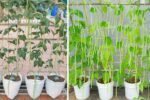
- YouTube – Fan Cage Vertical Vegetable Garden: Demonstrates practical construction and setup. (YouTube)
- Pinterest – Fan Guard Garden Crafts: Visual inspiration for repurposing fan cages. (Pinterest)
- Instructables – Recycled Vertical Gardens: Step-by-step DIY tutorials for upcycled garden projects. (Instructables)
- Wikipedia – Gardening in Restricted Spaces: Context on vertical and small-space gardening. (Wikipedia)
These sources provide inspiration, practical instructions, and context for urban and sustainable gardening.
Conclusion: Creative, Sustainable, and Productive
Recycling fan cages to grow vegetables at home is a brilliant, sustainable, and space-efficient gardening idea. It transforms discarded household items into productive garden structures, perfect for small urban spaces. By following safety guidelines, selecting the right vegetables, and using practical DIY techniques, you can create a vibrant, vertical garden that reduces waste and provides fresh, homegrown produce.
Whether you’re a balcony gardener, sustainability enthusiast, or DIY lover, fan cage gardening combines eco-conscious living with the joy of growing your own food — proving that with creativity, even everyday items can be transformed into functional and productive gardens.