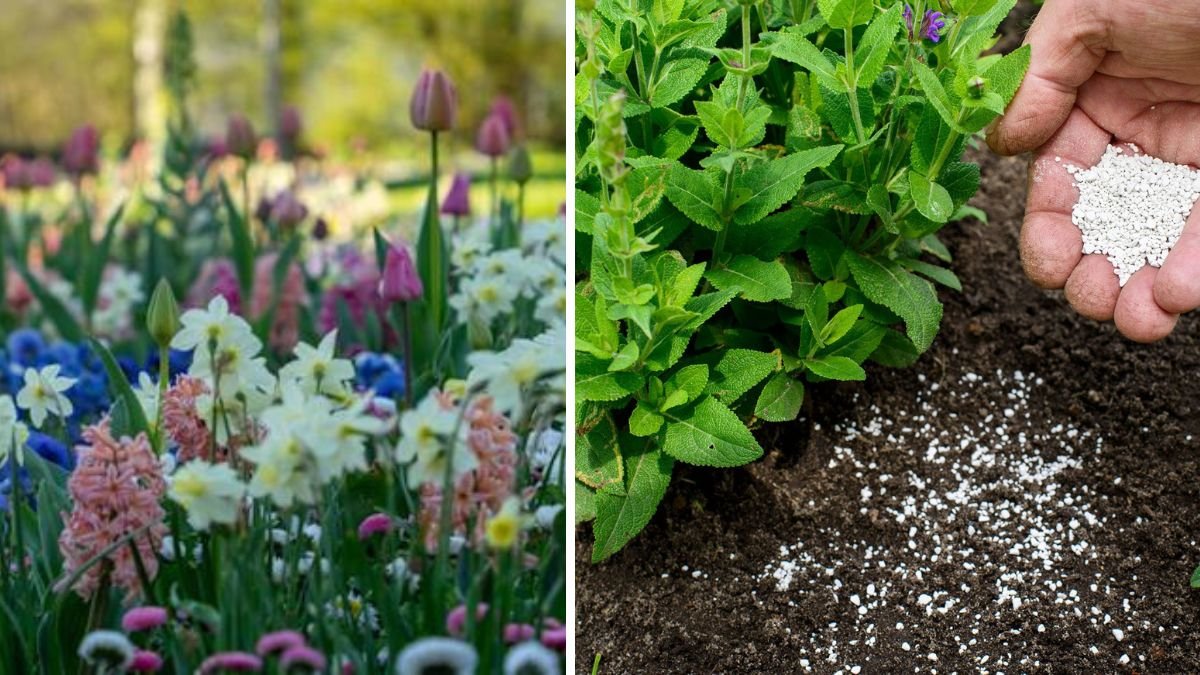
Spring bulbs like tulips, daffodils, hyacinths, crocuses, and alliums are a gardener’s delight. Their vibrant blooms signal the arrival of warmer weather and add color and life to garden beds after a long winter. But while bulbs store energy in their underground structures during dormancy, giving them a nutrient boost with the right fertilizer can make a noticeable difference in both the size of the blooms and the health of the bulbs for future seasons. By knowing which fertilizer to use, how to apply it, and when to feed your bulbs, you can enjoy stronger, more vibrant growth throughout spring. (aol.com)
Even experienced gardeners often overlook fertilizing bulbs. Without supplementation, soil nutrients can become depleted over time, especially in garden beds that have hosted bulbs for multiple seasons. Using the proper fertilizer provides essential nutrients—phosphorus for roots, nitrogen for leaves, and potassium for overall plant health—helping bulbs establish robust root systems, produce lush foliage, and generate larger, more colorful blooms. (chicagobotanic.org)
Why Fertilize Spring Bulbs?
Bulbs store energy during their dormant phase to support spring growth. However, soils naturally lose nutrients over time. Fertilizing garden beds helps replenish essential minerals and gives your bulbs the energy they need for a healthy start to the season.
The benefits of fertilizing spring bulbs include:

- Stronger root systems, which improve nutrient and water uptake
- More abundant blooms, resulting in showier spring displays
- Larger future bulbs, increasing yields for next season
- Enhanced soil fertility, which benefits surrounding plants (growinginsmallspaces.com)
Timing and nutrient balance are critical. Phosphorus is particularly important for flowering and root development, while nitrogen promotes healthy green growth, and potassium helps the plant manage water and stress. (chicagobotanic.org)
Latest Posts
- With Just 1 Bottle of Water How I Was Shocked by What Happened When Growing Vegetables
- Maximize Your Home Garden with the Hanging Pea Sprout Growing Model – Space-Saving, High-Yield, and Easy-to-Manage Vertical Gardening Solution
- Just Water – The Secret to Growing Plump, White Peanut Sprouts Right at Home: A Step-by-Step Guide for Beginners
- Growing Zucchini at Home in a Container: How to Cultivate Large, Long Fruits with a 1-to-72 Day Step-by-Step Diary for Maximum Yield
- Grow Long Beans on the Terrace in Used Recycling Baskets: The Ultimate Guide to Easy, Space-Saving, and High-Yield Terrace Gardening
- How to Grow Tons of Long Beans Easily Without a Garden – A Complete Guide to Growing Healthy Yardlong Beans Without Fertilizers or Pesticides
- Easy Long Bean Growing Trick – No Garden, No Fertilizer, No Pesticide
- Grow Bitter Melon in Bottles — Harvest So Big You Can’t Eat It All! The Ultimate Guide to Bottle Gardening for Maximum Yields
- Growing Garlic Made Easy: No Soil, Fast Results – The Ultimate Guide to Growing Fresh Garlic Indoors Without Traditional Soil
- Wall-Mounted Hydroponic Watermelon System: Grow Large, Juicy, and Delicious Watermelons at Home with Minimal Space and Maximum Yield
Best Fertilizers for Spring Bulbs
Choosing the right fertilizer is essential for giving bulbs the nutrients they need without overwhelming them. Here are some of the top options:
1. Bone Meal — Classic Phosphorus Boost
Bone meal is a slow-release organic fertilizer rich in phosphorus, making it ideal for spring bulbs. Phosphorus stimulates root development, supports strong blooms, and encourages energy storage in bulbs for the next season. (growinginsmallspaces.com)
How to use bone meal:

- Apply at planting in the fall, mixing it into the soil at the bottom of the bulb hole.
- As shoots emerge in early spring, lightly top-dress the soil around the bulbs.
- Work the bone meal into the top few inches of soil so it reaches developing roots.
Tips: Bone meal works best in slightly acidic to neutral soils (pH < 7). In alkaline soils, phosphorus uptake is less efficient. Unlike high-nitrogen fertilizers, bone meal won’t burn bulbs and provides a gentle nutrient release. (epicgardening.com)
2. Organic Bulb Fertilizers (e.g., Bulb‑Tone)
Specialized organic fertilizers such as Bulb‑Tone (like Espoma 3‑5‑3) provide balanced nutrients with added calcium to support root growth and strengthen plant tissue. Organic bulb fertilizers nourish the soil while feeding the bulbs, making them a sustainable choice for eco-conscious gardeners. (growinginsmallspaces.com)
Application tips: Sprinkle around existing bulbs or mix into planting holes for new bulbs. Water thoroughly after applying to move nutrients into the root zone.
3. Balanced Slow-Release Fertilizers
Balanced slow-release fertilizers, such as a 10‑10‑10 NPK formula, provide nitrogen, phosphorus, and potassium. These fertilizers support leaf development, root strength, and overall plant health. (chicagobotanic.org)

Application: Work into the top layer of soil or apply as a light top dressing when shoots appear. Avoid applying too much nitrogen at bloom time, as this can encourage foliage growth at the expense of flowers.
4. Compost and Organic Matter
Incorporating well-aged compost into your garden beds improves soil structure, enhances nutrient availability, and supports beneficial microbial activity. Compost can be added in fall during planting or lightly in spring as a top dressing. Over time, compost increases the soil’s capacity to retain moisture and nutrients, benefiting bulbs season after season. (hhfertilizer.com)
When to Fertilize Your Bulbs
1. At Planting Time (Fall)
Applying fertilizer at the time of planting gives bulbs a head start. Mix bone meal, bulb fertilizer, or compost into the soil to encourage strong root development before winter dormancy. This ensures bulbs have enough stored energy for vigorous spring growth. (livingetc.com)
2. When Shoots Appear (Early Spring)
As soon as green shoots emerge, a second application of fertilizer helps bulbs transition out of dormancy and fuel rapid growth and flowering. Sprinkle fertilizer around the base of the shoots and water in well to move nutrients into the root zone. (chicagobotanic.org)

Additional Fertilizer Tips for Garden Success
Test Your Soil
A soil test identifies nutrient deficiencies and prevents overapplication. Many extension services offer low-cost testing programs that guide fertilizer choices.
Water After Applying
Watering ensures nutrients reach the bulb roots and reduces the risk of fertilizer runoff or burning.
Mulch for Moisture and Nutrients
Apply a layer of mulch over fertilized beds to retain moisture, suppress weeds, and slowly release additional nutrients as it decomposes.
Safety Considerations
Bone meal and other fertilizers can attract pets or wildlife. Always follow label instructions, keep pets away from freshly fertilized beds, and store products safely.

Suggested Authoritative Sources
- Chicago Botanic Garden: When to Fertilize Bulbs — expert guidance on timing and fertilization. (chicagobotanic.org)
- Growing in Small Spaces: Best Fertilizers for Bulbs — comprehensive fertilizer guide for home gardeners. (growinginsmallspaces.com)
- HH Fertilizer: Organic Bulb Fertilizers — insights on compost and organic options. (hhfertilizer.com)
- Epic Gardening: Bone Meal Guide — detailed benefits and usage tips. (epicgardening.com)
Final Thoughts
Feeding your bulbs with the right fertilizer at the right time ensures a spectacular spring display with larger, stronger blooms. Whether you choose bone meal for phosphorus, an organic bulb formula, balanced slow-release fertilizer, or nutrient-rich compost, timing and proper application are key. Fertilize at planting and again when shoots emerge, water well, and mulch to retain moisture. By giving your bulbs a growth boost, you’ll enjoy healthy foliage, vibrant flowers, and stronger bulbs for seasons to come.
With these tips, your garden beds will transform into colorful spring displays, bringing beauty, fragrance, and joy every year. 🌷🌼