The internet is full of garden hacks promising miraculous results—instant weed control, bigger blooms, and healthier plants. From viral videos to social media tips, gardeners are tempted to try anything that claims to simplify planting, watering, or pest control. However, not all shortcuts are beneficial. Experts warn that many popular “miracle” hacks can actually damage plants, harm soil, and even disrupt local ecosystems. Understanding which methods backfire is essential for maintaining a thriving, long-term garden.
In this article, we explore 10 “miracle” garden hacks that actually do more harm than good, why they fail, and safer alternatives recommended by gardening professionals.
1. Using Vinegar to Kill Weeds
Vinegar has long been touted as a natural, inexpensive solution to weed problems. While it can burn the leaves it touches, vinegar is not effective at killing roots. Many weeds will grow back stronger, and repeated vinegar applications can alter soil acidity, harming nearby plants and beneficial microbes.
Safer alternative: Remove weeds by hand or cover soil with mulch. Mulching suppresses weeds, retains moisture, and protects soil health over time.
2. Adding Gravel to Pots for Better Drainage
A common tip suggests placing gravel at the bottom of pots to improve drainage. Experts, however, note that this practice creates a perched water table, where water collects above the gravel layer. Roots in this zone are prone to rot, negating the intended benefit.
Latest Posts
- With Just 1 Bottle of Water How I Was Shocked by What Happened When Growing Vegetables
- Maximize Your Home Garden with the Hanging Pea Sprout Growing Model – Space-Saving, High-Yield, and Easy-to-Manage Vertical Gardening Solution
- Just Water – The Secret to Growing Plump, White Peanut Sprouts Right at Home: A Step-by-Step Guide for Beginners
- Growing Zucchini at Home in a Container: How to Cultivate Large, Long Fruits with a 1-to-72 Day Step-by-Step Diary for Maximum Yield
- Grow Long Beans on the Terrace in Used Recycling Baskets: The Ultimate Guide to Easy, Space-Saving, and High-Yield Terrace Gardening
- How to Grow Tons of Long Beans Easily Without a Garden – A Complete Guide to Growing Healthy Yardlong Beans Without Fertilizers or Pesticides
- Easy Long Bean Growing Trick – No Garden, No Fertilizer, No Pesticide
- Grow Bitter Melon in Bottles — Harvest So Big You Can’t Eat It All! The Ultimate Guide to Bottle Gardening for Maximum Yields
- Growing Garlic Made Easy: No Soil, Fast Results – The Ultimate Guide to Growing Fresh Garlic Indoors Without Traditional Soil
- Wall-Mounted Hydroponic Watermelon System: Grow Large, Juicy, and Delicious Watermelons at Home with Minimal Space and Maximum Yield

Better approach: Use well-draining potting soil with perlite or coarse sand and pots with proper drainage holes.
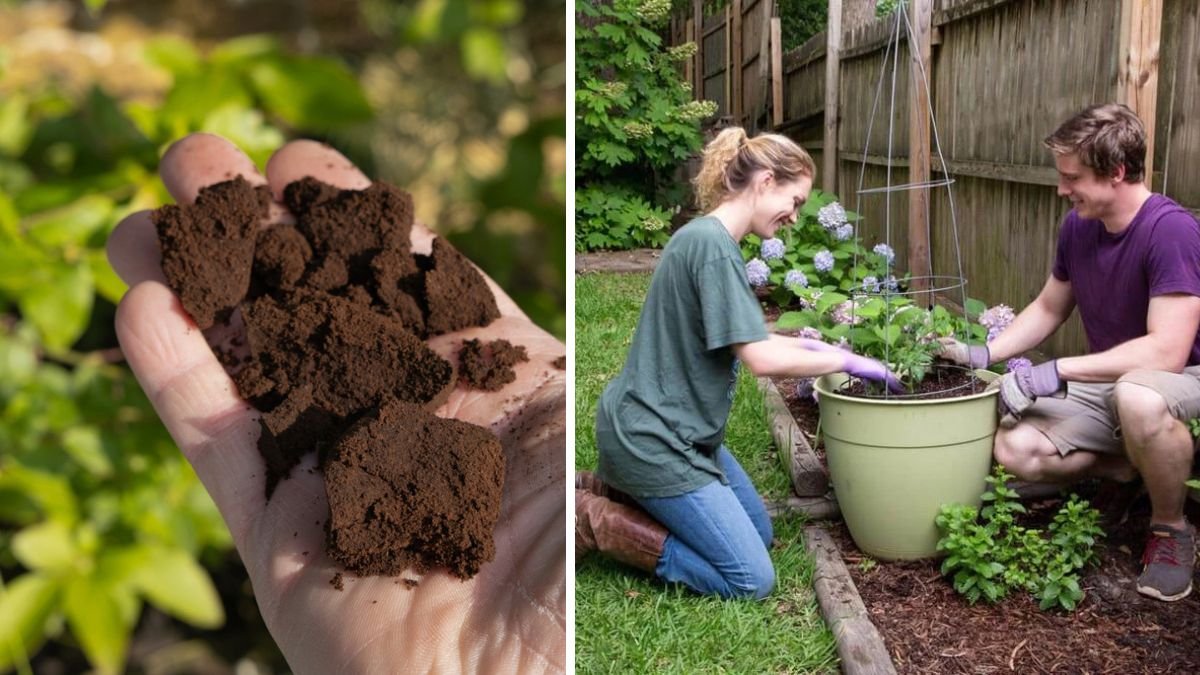
3. Coffee Grounds as a Universal Fertilizer
Many gardeners sprinkle coffee grounds in gardens to improve soil or “fertilize” plants. In reality, coffee grounds are acidic, and thick layers can create a crust that repels water, making it harder for roots to absorb moisture.
Expert tip: Add coffee grounds to compost first so they break down naturally. This enriches soil without harming plants or microbes.
4. Using Salt to Kill Weeds
Sprinkling salt to kill weeds is a dangerous hack. Salt kills all plant life in the area and can persist in the soil for years, reducing fertility and preventing other plants from growing.
Safer alternative: Cover persistent weeds with clear plastic to solarize them. Heat kills weeds without introducing toxic chemicals or damaging soil structure.

5. Crushed Eggshells to Deter Slugs
Crushed eggshells are frequently suggested as a natural slug deterrent. Unfortunately, slugs can slither over rough surfaces, and eggshell barriers are largely ineffective.
Better method: Use copper tape, beer traps, or organic slug repellents that actually reduce slug populations without harming other creatures.
6. Baking Soda for Sweeter Tomatoes
Some tips claim that sprinkling baking soda around tomato plants makes fruit sweeter by reducing soil acidity. In truth, soil pH manipulation does not affect fruit sweetness, and excessive baking soda can disrupt nutrient availability, potentially weakening plants.
Expert advice: Select naturally sweet tomato varieties and provide adequate sunlight, rich soil, and consistent watering to enhance flavor.
7. Epsom Salt for Bigger Blooms
Epsom salt, or magnesium sulfate, is often recommended to boost blooms. However, most garden soils already contain sufficient magnesium. Overuse can disrupt soil balance, harm beneficial microbes, and damage roots rather than improve flowering.

Tip: Test soil before applying Epsom salt. Only add magnesium if a deficiency is confirmed.
8. Pouring Beer on Lawns
Some viral hacks suggest pouring beer on lawns to feed microbes or boost grass growth. Alcohol can damage grass tissue and harm soil biology, leaving lawns weaker rather than healthier.
Better care: Aerate soil, fertilize appropriately, and water deeply but infrequently to develop strong roots naturally.
9. Hydrogen Peroxide to Boost Roots
Hydrogen peroxide is sometimes used to improve root growth because it releases oxygen when it decomposes. Experts caution that repeated use can damage delicate root hairs and disrupt beneficial soil microbes, ultimately weakening plants.
Natural alternative: Encourage root development through healthy, aerated soil, composting, and proper watering.

10. Bleach to Sterilize Soil
Bleach is occasionally recommended to “clean” soil before planting. While it kills pathogens, bleach also destroys beneficial fungi and bacteria, leaving soil depleted and unproductive.
Safer practice: Improve soil naturally with composting, crop rotation, or solarization to control disease while supporting healthy microbial life.
The Bigger Problem With Viral Garden Hacks
Many of these hacks spread because they promise quick fixes or immediate results. Gardening, however, is an ecosystem-driven process. Plants depend on soil chemistry, microorganisms, and balanced nutrient cycles. Viral shortcuts can upset this balance, causing long-term damage rather than solving problems.
Experts also highlight indirect consequences, such as structural damage to gardens or patios from salt and vinegar mixtures. Even “natural” DIY solutions can erode stonework, harm beneficial insects, or stress nearby plants.
Common Gardening Myths That Cause Problems
Beyond specific hacks, several myths continue to circulate:

- Misting houseplants for humidity: Can lead to fungal diseases if water sits on leaves.
- Gravel for drainage: Often ineffective and can cause root rot.
- Dish soap or essential oils as pesticides: Can burn plants or kill beneficial insects.
Believing these myths can undo months of careful garden work.
What Experts Recommend Instead
- Focus on soil health: Use nutrient-rich, well-draining soil and test it regularly.
- Mulch properly: Apply 2–3 inches of mulch, keeping it away from stems to prevent rot.
- Use proven organic pest control: Neem oil, copper tape, and companion planting are safe and effective.
- Encourage biodiversity: Native plants and beneficial insects strengthen garden resilience.
- Observe and adjust: Water based on soil moisture, not a schedule, and give plants proper spacing for airflow.
Following these science-based strategies ensures healthy growth without unintended consequences.
Authoritative Sources to Explore
- The Garden Magazine – 10 “Miracle” Garden Hacks That Actually Do More Harm Than Good (thegardenmagazine.com)
- Homes & Gardens – Gardening Myths Debunked (homesandgardens.com)
- Big Blog of Gardening – Gardening Hacks That Do More Harm Than Good (bigblogofgardening.com)
- Positive Bloom – Tips That May Actually Do More Harm Than Good (positivebloom.com)
Conclusion
Viral gardening hacks can be tempting, but not all shortcuts are safe. Many popular tips, while appearing clever, can harm plants, soil, and the wider garden ecosystem. By focusing on soil health, proper watering, pest control, and observation, gardeners can achieve better results with long-term sustainability.
Remember: gardening is a patient, science-based process. The most successful gardens come from working with nature, not chasing viral trends. Avoid the pitfalls of “miracle” hacks, and your plants will thrive for years to come.