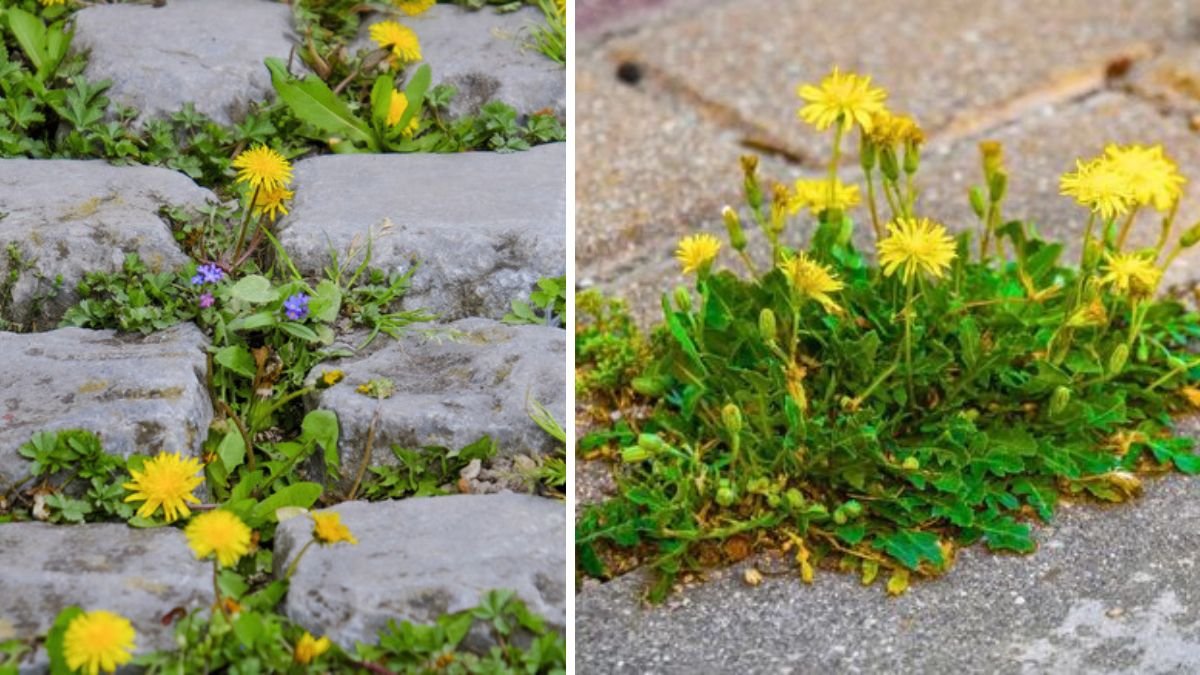
Weeds sprouting between paver stones are one of the most common frustrations for homeowners with patios, driveways, or walkways. They can quickly turn a clean, well-maintained outdoor space into a messy, overgrown area. But preventing weeds doesn’t have to involve expensive chemicals, harsh herbicides, or professional landscaping services. With the right approach, you can keep your pavers weed-free easily and affordably.
By combining smart installation methods, natural weed control, and simple maintenance routines, you can stop weeds before they take root, saving time, money, and effort in the long run.
🌱 Why Weeds Grow Between Pavers
Weeds growing between pavers are not random—they thrive in the small cracks where soil, dirt, moisture, and organic matter accumulate. Wind, rain, and birds carry seeds into these gaps, where they find fertile conditions to germinate. Once established, weeds exploit these cracks to anchor themselves and spread.
Because weeds grow quickly and are highly adaptable, they serve as natural indicators of soil conditions, moisture levels, and gaps in your paver installation. Addressing these factors at the source is the most effective way to prevent weed growth.
🛠️ Affordable and Effective Weed Prevention Methods
1. Fill Joints with Polymeric Sand
Polymeric sand is one of the most effective long-term solutions for preventing weeds. It’s a fine sand mixed with special binding agents that harden when activated with water. This creates a solid, stable joint that blocks weed seeds and prevents erosion.
Latest Posts
- With Just 1 Bottle of Water How I Was Shocked by What Happened When Growing Vegetables
- Maximize Your Home Garden with the Hanging Pea Sprout Growing Model – Space-Saving, High-Yield, and Easy-to-Manage Vertical Gardening Solution
- Just Water – The Secret to Growing Plump, White Peanut Sprouts Right at Home: A Step-by-Step Guide for Beginners
- Growing Zucchini at Home in a Container: How to Cultivate Large, Long Fruits with a 1-to-72 Day Step-by-Step Diary for Maximum Yield
- Grow Long Beans on the Terrace in Used Recycling Baskets: The Ultimate Guide to Easy, Space-Saving, and High-Yield Terrace Gardening
- How to Grow Tons of Long Beans Easily Without a Garden – A Complete Guide to Growing Healthy Yardlong Beans Without Fertilizers or Pesticides
- Easy Long Bean Growing Trick – No Garden, No Fertilizer, No Pesticide
- Grow Bitter Melon in Bottles — Harvest So Big You Can’t Eat It All! The Ultimate Guide to Bottle Gardening for Maximum Yields
- Growing Garlic Made Easy: No Soil, Fast Results – The Ultimate Guide to Growing Fresh Garlic Indoors Without Traditional Soil
- Wall-Mounted Hydroponic Watermelon System: Grow Large, Juicy, and Delicious Watermelons at Home with Minimal Space and Maximum Yield

How to apply polymeric sand:
- Sweep the sand into the joints between pavers until completely filled.
- Lightly mist with water to activate the binding agents.
- Allow the sand to cure for 24–72 hours without rain or foot traffic.
Polymeric sand not only reduces weed growth but also stabilizes your pavers, prevents insects, and keeps the surface looking clean.
2. Seal the Pavers
Applying a paver sealer is another affordable method to reduce weed growth. Sealers create a protective layer over both the joints and the stones, making it difficult for seeds to lodge or moisture to penetrate.
Benefits of sealing pavers:
- Reduces dirt buildup, which weeds thrive on.
- Prevents weed seeds from settling in cracks.
- Enhances the color and aesthetic of your pavers.
- Makes cleaning easier and less frequent.
For best results, seal pavers in mild, dry weather and reapply every 2–3 years.

3. Sweep and Clean Regularly
Regular cleaning is an inexpensive but powerful prevention tool. Loose soil, debris, and organic matter are ideal conditions for weeds to sprout.
Maintenance tips:
- Sweep weekly, especially after storms or windy days.
- Use a stiff broom or leaf blower to remove dirt from the cracks.
- Pressure wash monthly to eliminate stubborn debris, taking care not to wash away the jointing material.
Keeping the gaps clean reduces the chances of weeds gaining a foothold.
4. Use Natural Weed Killers
If weeds have already started to appear, there are safe and affordable natural remedies you can use:
- Boiling water: Instantly kills weeds on contact.
- Vinegar (5–20% acetic acid): Spray directly on weeds during sunny days; adding a drop of dish soap increases adhesion.
- Salt or baking soda: Sprinkle sparingly into cracks to dry out weeds, but avoid overuse as it can affect surrounding soil.
These remedies are budget-friendly, non-toxic, and work well for patios, walkways, and small outdoor areas.

5. Improve Base and Installation for New Projects
For new paver installations or when replacing sections, start with a proper base. A layer of compacted gravel topped with limestone screenings or coarse sand improves drainage and discourages weeds from pushing up from below.
Tips for a weed-resistant base:
- Use at least four inches of gravel for drainage.
- Compact the base thoroughly to prevent settling.
- Ensure sand or screenings are level before laying pavers.
A solid foundation minimizes maintenance and reduces the likelihood of weed growth over time.
6. Maintain Moisture Control
Weeds thrive in moist, shaded areas. Proper drainage and sun exposure can prevent seeds from germinating. Avoid overwatering, trim nearby vegetation, and ensure water flows away from the paver surface to reduce damp conditions that promote weed growth.
7. Inspect and Repair Gaps
Even with polymeric sand or sealing, gaps can develop over time due to settling or erosion. Inspect your paver joints at least once a year and top up sand or re-seal joints as necessary. This proactive approach prevents weeds from finding a foothold in exposed cracks.

8. Consider Living Alternatives
For wider paver joints, you can plant low-growing groundcover plants like creeping thyme, moss, or Irish moss. These cover the gaps, reducing space and light for weeds while adding visual appeal. Groundcover can be both functional and decorative, turning your patio into a lush, green space while reducing maintenance.
🧪 Why These Methods Work
The strategies above work because they address the root causes of weed growth between pavers:
- Seed blockage: Polymeric sand and sealers prevent seeds from lodging.
- Moisture control: Good drainage and sunlight reduce the damp conditions weeds love.
- Soil stabilization: Proper base preparation reduces soil migration and erosion that create fertile gaps.
- Regular maintenance: Cleaning and topping up joints remove potential weed growth before it starts.
Together, these techniques create a low-maintenance, long-lasting solution without the need for expensive chemicals or professional landscaping services.
📌 Authoritative Sources for Reference
For additional guidance, consult these trusted resources:
- Left Coast Pavers – Preventing Weed Growth Between Pavers: Step-by-step DIY advice for polymeric sand, sealing, and natural treatments. (leftcoastpavers.com)
- Better Homes & Gardens Australia – How to Get Rid of Weeds Between Pavers: Natural remedies like boiling water, vinegar, and salt for small areas. (bhg.com.au)
- DoItYourself.com – Prevent Weed Growth Between Pavers: Installation tips for a weed-resistant base and jointing materials. (doityourself.com)
- NY Pavers – Prevent Weeds and Moss Between Pavers: Comprehensive maintenance and prevention practices. (nypavers.com)
🌟 Final Takeaway
Weeds between pavers are more than an eyesore—they signal conditions that make your outdoor space vulnerable to overgrowth. By combining smart installation, proper jointing, sealing, natural remedies, and regular maintenance, you can prevent weeds effectively and affordably.

Whether you’re upgrading an existing patio or installing new pavers, these methods will help you maintain a beautiful, clean, and low-maintenance outdoor space for years to come. With the right care, your pavers can remain weed-free and visually stunning without costly chemicals or constant labor.