Background Context
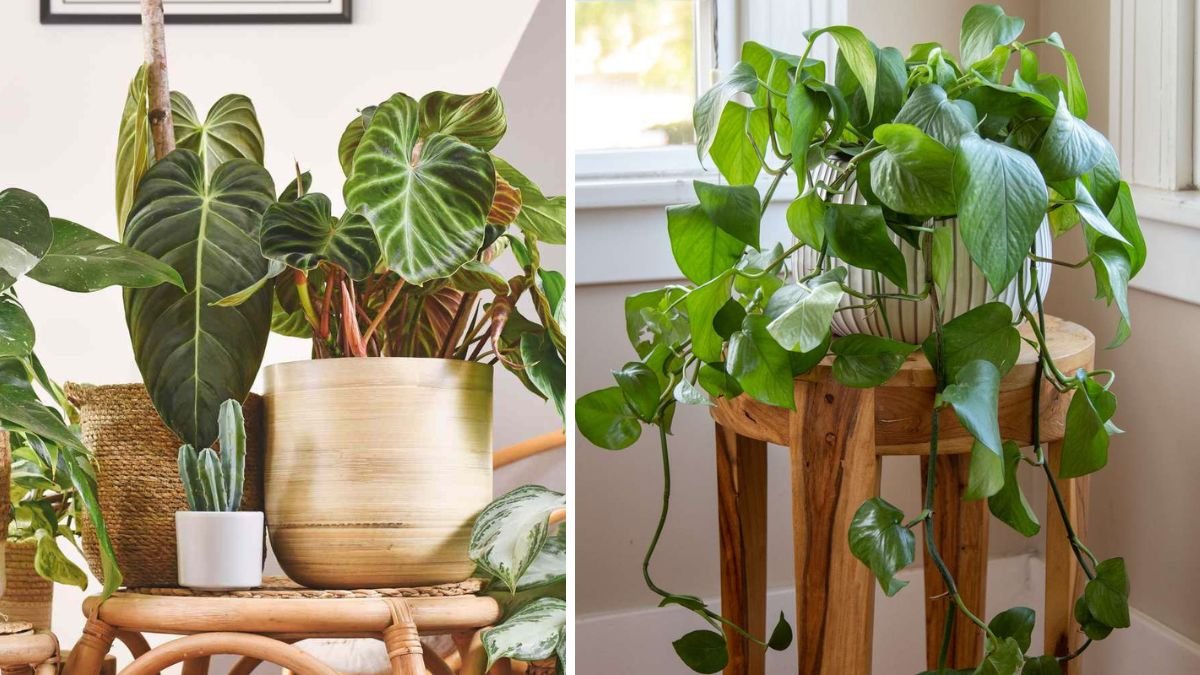
Pothos plants (Epipremnum aureum) are among the most popular houseplants in the world, loved for their trailing vines, heart-shaped leaves, and reputation for being nearly indestructible. Often recommended for beginners, pothos can tolerate a wide range of indoor conditions. However, “low-maintenance” doesn’t mean “no-maintenance.” When care conditions drift too far off balance, pothos plants respond with visible distress signals.
Understanding these warning signs early is critical. Leaves, stems, and roots all communicate when something is wrong — from watering mistakes and light issues to pests and nutrient deficiencies. Recognizing the signs your pothos plants are struggling allows you to intervene before long-term damage occurs. The good news is that pothos plants are resilient and usually bounce back quickly once their needs are corrected.
1. Wilting or Limp Leaves
Wilting is one of the clearest signs your pothos plant is under stress. Limp, drooping leaves often indicate a watering issue — either too little or too much.
When underwatered, pothos leaves lose firmness as cells become dehydrated. Conversely, overwatering leads to oxygen deprivation in the soil, preventing roots from absorbing water efficiently, which produces similar drooping symptoms.
How to save it:
Check soil moisture before watering. If the top inch of soil is dry, water thoroughly until excess drains from the pot. If the soil is consistently wet, stop watering, ensure proper drainage, and consider repotting into fresh, well-draining soil. Trim away any black or mushy roots if root rot has begun.
Latest Posts
- With Just 1 Bottle of Water How I Was Shocked by What Happened When Growing Vegetables
- Maximize Your Home Garden with the Hanging Pea Sprout Growing Model – Space-Saving, High-Yield, and Easy-to-Manage Vertical Gardening Solution
- Just Water – The Secret to Growing Plump, White Peanut Sprouts Right at Home: A Step-by-Step Guide for Beginners
- Growing Zucchini at Home in a Container: How to Cultivate Large, Long Fruits with a 1-to-72 Day Step-by-Step Diary for Maximum Yield
- Grow Long Beans on the Terrace in Used Recycling Baskets: The Ultimate Guide to Easy, Space-Saving, and High-Yield Terrace Gardening
- How to Grow Tons of Long Beans Easily Without a Garden – A Complete Guide to Growing Healthy Yardlong Beans Without Fertilizers or Pesticides
- Easy Long Bean Growing Trick – No Garden, No Fertilizer, No Pesticide
- Grow Bitter Melon in Bottles — Harvest So Big You Can’t Eat It All! The Ultimate Guide to Bottle Gardening for Maximum Yields
- Growing Garlic Made Easy: No Soil, Fast Results – The Ultimate Guide to Growing Fresh Garlic Indoors Without Traditional Soil
- Wall-Mounted Hydroponic Watermelon System: Grow Large, Juicy, and Delicious Watermelons at Home with Minimal Space and Maximum Yield

2. Brown Leaf Tips or Edges
Brown, crispy tips or edges are common pothos complaints and usually stem from environmental stress rather than disease. The most frequent causes include low humidity, inconsistent watering, fertilizer salt buildup, or chemicals in tap water.
Dry indoor air — especially during winter — can cause moisture loss from leaf tips. Excess fertilizer salts can accumulate in soil and burn roots, which appears as browning foliage.
How to save it:
Increase humidity by misting occasionally or placing the plant near other houseplants. Flush soil every few months with distilled or filtered water to remove salt buildup. Reduce fertilizer frequency and use diluted fertilizer during the growing season only.
3. Leggy or Sparse Growth
A pothos with long vines and large gaps between leaves is usually signaling insufficient light. While pothos can survive in low light, they do not thrive there. Without enough light, the plant stretches toward brighter areas, resulting in leggy growth and fewer leaves.
How to save it:
Move the plant to a location with bright, indirect light — near a window but out of direct sun. Prune back leggy vines to encourage branching and fuller growth. Rotating the plant regularly also promotes even development.

4. Yellowing Leaves
Yellow leaves can be alarming, but they are one of the most common pothos stress signals. Causes vary and may include overwatering, underwatering, nutrient imbalance, or excessive sunlight.
Occasional yellowing of older leaves is normal, but widespread yellowing indicates a care issue. Overwatering is the most common culprit, especially when yellow leaves feel soft or limp.
How to save it:
Evaluate your watering routine and soil drainage. Ensure the pot has drainage holes and allow soil to dry slightly between waterings. Provide bright, indirect light and fertilize lightly during spring and summer. Remove yellow leaves so the plant can redirect energy to healthy growth.
5. Pest Infestation
Even healthy pothos plants can occasionally attract pests such as spider mites, mealybugs, or aphids. These insects feed on plant sap, weakening the plant and causing symptoms like spotted leaves, webbing, sticky residue, or leaf distortion.
Pests often thrive in dry, dusty environments or when plants are stressed.

How to save it:
Inspect leaves regularly, especially the undersides and stems. Isolate infested plants immediately. Clean leaves with insecticidal soap, neem oil, or a diluted mild soap solution. Increasing humidity can also deter spider mites, which prefer dry conditions.
6. Loss of Variegation
If your variegated pothos starts producing solid green leaves, it’s often a sign of low light or nutrient deficiency. Variegation requires more energy to maintain, and when resources are limited, the plant prioritizes survival over appearance.
How to save it:
Move the plant to brighter indirect light to encourage variegation. Prune all-green stems to redirect energy toward variegated growth. Feed lightly with a balanced houseplant fertilizer during the growing season to replenish nutrients.
7. Root Rot or Poor Drainage
Root rot is one of the most serious pothos problems and usually results from chronic overwatering or poor drainage. Signs include foul-smelling soil, blackened roots, yellowing leaves, and persistent wilting despite moist soil.
Roots need oxygen to function properly. When soil remains soggy, roots suffocate and decay, preventing water and nutrient uptake.
How to save it:
Remove the plant from its pot and inspect the roots. Trim off all soft, dark, or mushy roots using clean scissors. Repot in fresh, airy potting mix with good drainage and use a pot with drainage holes. Water only when the top layer of soil is dry.
Additional Tips to Keep Pothos Healthy
Beyond addressing specific symptoms, consistent preventive care helps keep pothos plants thriving long-term.
- Maintain stable temperatures: Pothos prefer temperatures between 65–85°F (18–29°C). Avoid cold drafts and sudden temperature changes.
- Rotate plants regularly: This prevents uneven growth and leaning toward light sources.
- Clean leaves monthly: Dust reduces photosynthesis and invites pests.
- Repot when needed: Refresh soil every 1–2 years or when roots become crowded.
- Avoid overfeeding: Too much fertilizer causes more harm than good.
Why Early Detection Matters
The key to saving struggling pothos plants lies in early recognition. Most problems develop gradually, and the earlier you act, the faster recovery occurs. Pothos plants are forgiving — even severely stressed plants often rebound with proper care adjustments.
Learning to read visual cues such as leaf color, texture, and growth patterns transforms you into a more confident plant caretaker and prevents unnecessary plant loss.
Conclusion
Pothos plants may be famously resilient, but they are not immune to stress. Wilting leaves, brown tips, yellowing foliage, pests, leggy growth, faded variegation, and root issues are all clear signs your pothos plants are struggling. Fortunately, each problem has a practical, effective solution.
By adjusting watering habits, improving light conditions, monitoring humidity, inspecting roots, and responding quickly to pests or nutrient issues, you can restore your pothos to vibrant health. With consistent care and attention, these adaptable houseplants will continue to trail beautifully and thrive for years to come.
Suggested Authoritative Sources
- The Garden Magazine – Signs your pothos plants are struggling
- Better Homes & Gardens – Pothos care and yellow leaf troubleshooting
- Homes & Gardens – Pothos wilting and environmental stress
- GardenTabs – Common pothos problems and solutions
- Little Flower Cottage – Root rot identification and treatment