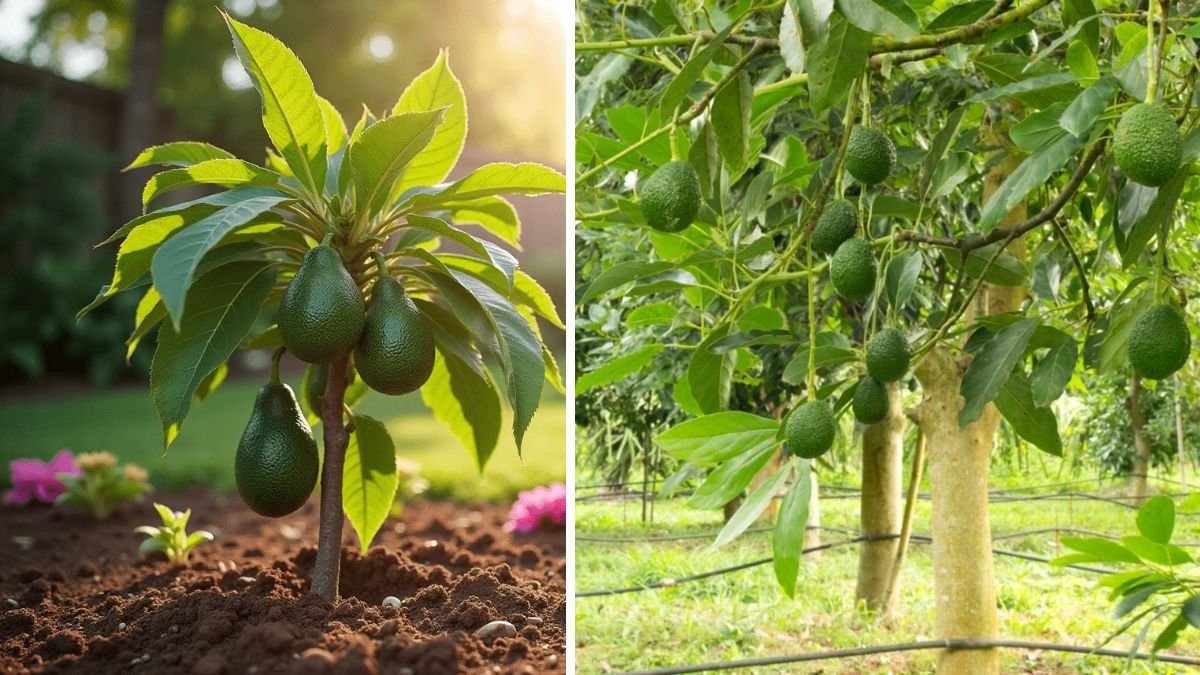
Growing avocados at home is a rewarding experience, but it can quickly turn frustrating when trees struggle or die due to poor soil conditions. One of the most common challenges gardeners face is planting avocado trees in clay soil, which often leads to root rot disease if not handled correctly. Understanding how to work with clay soil—rather than against it—is the key to long-term avocado success.
Avocado trees are highly sensitive to excess moisture around their roots. Clay soil, known for its dense structure and slow drainage, can trap water for extended periods, creating the perfect environment for fungal pathogens such as Phytophthora cinnamomi. This pathogen causes avocado root rot, a disease responsible for significant losses in both home gardens and commercial orchards. Fortunately, with the right planting techniques and soil management strategies, you can grow healthy avocado trees even in heavy clay soil.
Why Clay Soil Is a Problem for Avocado Trees
Clay soil is made up of very fine particles that compact easily, leaving little room for air movement. While clay can be nutrient-rich, its biggest drawback is poor drainage. After watering or rainfall, moisture remains in the soil far longer than avocados can tolerate. Avocado roots need oxygen to function properly, and when soil stays saturated, roots begin to suffocate and decay.
Root rot develops when waterlogged conditions allow soil-borne fungi to attack weakened roots. Early symptoms include yellowing leaves, reduced growth, leaf drop, and overall decline. Once root rot becomes severe, recovery is difficult, making prevention the most effective strategy.
Choosing the Right Planting Location
Site selection is the first and most important step in preventing root rot. If your yard contains clay soil, avoid low-lying areas where water naturally collects. Slight slopes or naturally elevated spots provide better surface drainage and reduce the risk of standing water around the root zone.
Latest Posts
- With Just 1 Bottle of Water How I Was Shocked by What Happened When Growing Vegetables
- Maximize Your Home Garden with the Hanging Pea Sprout Growing Model – Space-Saving, High-Yield, and Easy-to-Manage Vertical Gardening Solution
- Just Water – The Secret to Growing Plump, White Peanut Sprouts Right at Home: A Step-by-Step Guide for Beginners
- Growing Zucchini at Home in a Container: How to Cultivate Large, Long Fruits with a 1-to-72 Day Step-by-Step Diary for Maximum Yield
- Grow Long Beans on the Terrace in Used Recycling Baskets: The Ultimate Guide to Easy, Space-Saving, and High-Yield Terrace Gardening
- How to Grow Tons of Long Beans Easily Without a Garden – A Complete Guide to Growing Healthy Yardlong Beans Without Fertilizers or Pesticides
- Easy Long Bean Growing Trick – No Garden, No Fertilizer, No Pesticide
- Grow Bitter Melon in Bottles — Harvest So Big You Can’t Eat It All! The Ultimate Guide to Bottle Gardening for Maximum Yields
- Growing Garlic Made Easy: No Soil, Fast Results – The Ultimate Guide to Growing Fresh Garlic Indoors Without Traditional Soil
- Wall-Mounted Hydroponic Watermelon System: Grow Large, Juicy, and Delicious Watermelons at Home with Minimal Space and Maximum Yield
Sunlight is equally important. Avocado trees require full sun for optimal growth, so choose a location that receives at least six to eight hours of direct sunlight per day. Good air circulation also helps reduce moisture buildup around the tree and supports overall plant health.
Raised Mounds: The Best Defense Against Root Rot
One of the most effective methods for planting avocados in clay soil is using raised mounds or berms. Rather than placing the tree directly into dense soil, gardeners build a mound that elevates the root system above the native clay layer.
A proper avocado mound should be at least 18 to 30 inches high and several feet wide. This elevation allows gravity to pull excess water away from the roots, dramatically improving drainage. The mound also encourages roots to spread outward instead of sitting in soggy soil.
When planting, ensure the graft union and root crown remain above the surrounding soil level. Never bury the trunk, as this increases the risk of fungal infection and trunk rot.
Improving Soil Structure and Drainage
While raised mounds help significantly, improving the soil itself provides long-term benefits. Clay soil can be amended to improve aeration and water movement, but amendments must be used correctly.
Organic matter such as compost improves soil structure by creating spaces between particles. This allows water to drain more efficiently while also encouraging beneficial microbial activity. However, excessive organic matter placed directly around roots can sometimes create anaerobic conditions as it decomposes, so balance is essential.
Incorporating coarse materials like perlite, decomposed granite, or coarse sand can further enhance drainage. Gypsum is another commonly recommended amendment for clay soils, as it helps break apart compacted particles without altering soil pH significantly.
Selecting Healthy Trees and Rootstocks
Starting with the right tree reduces your risk from day one. Always purchase avocado trees from reputable nurseries that provide disease-free stock. Some rootstocks have better tolerance to soil stress and root diseases than others, making them more suitable for challenging soil conditions.
While no avocado tree is completely immune to root rot, choosing resistant or tolerant rootstocks can significantly slow disease progression and improve survival rates. Avoid planting trees with visible root damage, darkened roots, or foul odors, as these may already be infected.
Smart Watering Practices for Clay Soil
Overwatering is one of the most common causes of avocado failure in clay soil. Because clay retains moisture, irrigation schedules must be adjusted accordingly. Water deeply but infrequently, allowing the top few inches of soil to dry out before watering again.
Drip irrigation or micro-sprinklers are ideal for avocado trees, as they deliver water slowly and evenly without flooding the root zone. Avoid daily watering unless weather conditions are extremely hot and dry.
Monitoring soil moisture is essential. Simple methods such as inserting a finger or soil probe into the ground can help determine when watering is truly needed. If the soil feels wet several inches below the surface, wait before watering again.
Mulching for Root Health
Mulch plays an important role in maintaining healthy avocado roots, especially in clay soil. A thick layer of organic mulch—such as wood chips or shredded bark—helps regulate soil temperature, reduce evaporation, and prevent surface compaction.
Apply mulch in a wide ring around the tree, extending beyond the drip line if possible. Keep mulch several inches away from the trunk to prevent moisture buildup against the bark. Over time, mulch breaks down and contributes organic matter, further improving soil structure and microbial balance.
Early Signs of Root Rot to Watch For
Despite preventive efforts, it’s important to monitor your avocado tree regularly for signs of stress. Early detection can make a significant difference. Common warning signs of root rot include pale or yellow leaves, wilting despite moist soil, reduced new growth, and premature leaf drop.
If symptoms appear and soil remains consistently wet, reduce watering immediately and assess drainage conditions. Improving aeration, adjusting irrigation, and reinforcing mound height can sometimes help slow disease progression in early stages.
Common Mistakes to Avoid
Many avocado failures in clay soil result from a few recurring mistakes. Planting directly into heavy clay without elevation is one of the most damaging errors. Similarly, frequent shallow watering keeps soil constantly damp and deprives roots of oxygen.
Another common mistake is planting too deeply. Avocado roots are shallow by nature, and burying them increases the likelihood of rot. Neglecting mulch or assuming all soils need the same watering schedule also leads to unnecessary stress.
Final Thoughts
Planting avocado trees in clay soil is challenging, but it is far from impossible. The key lies in understanding how avocado roots function and adapting your planting methods accordingly. Raised mounds, improved drainage, careful watering, and ongoing monitoring form the foundation of success.
By keeping roots elevated, oxygenated, and free from prolonged moisture, you greatly reduce the risk of root rot disease. With patience and proper care, avocado trees can thrive even in less-than-ideal soil conditions, rewarding gardeners with healthy growth and abundant fruit for years to come.
Suggested Authoritative Sources
For further reading and research, consider consulting:
- University of California Integrated Pest Management (Avocado Root Rot)
- California Avocado Commission (Root Health and Irrigation)
- Extension publications from land-grant universities
- Reputable horticulture and fruit tree nursery guides