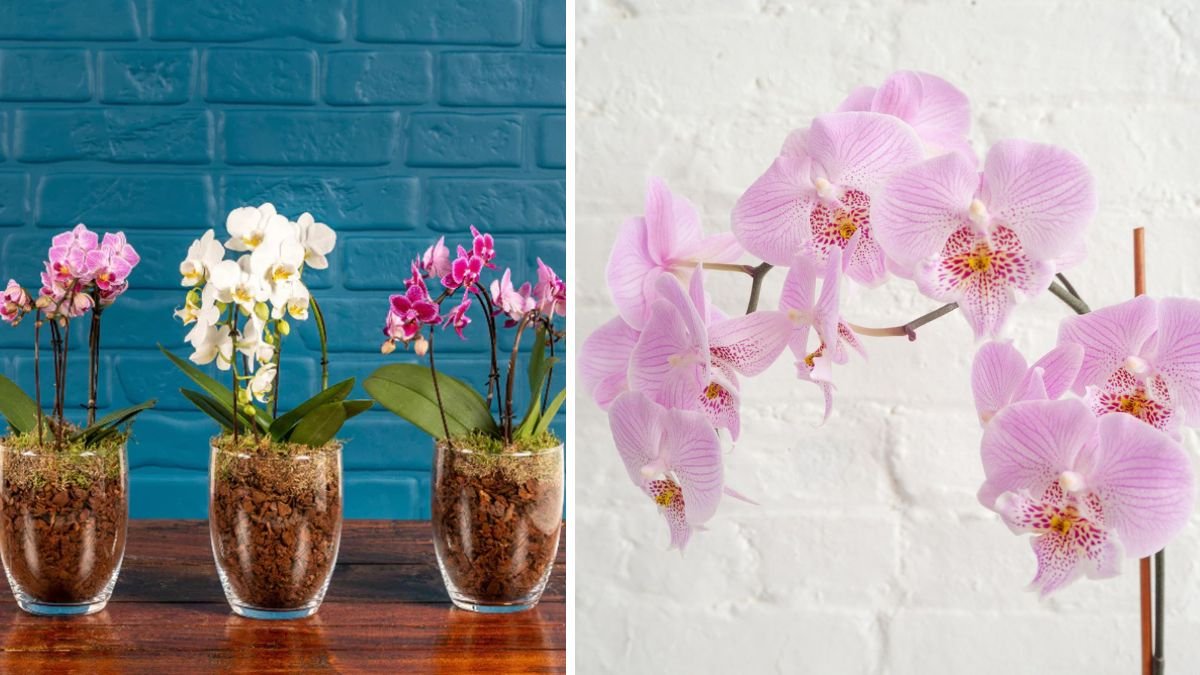
Introduction: Orchids — Exotic Beauty with Specific Needs
Orchids are among the most admired houseplants worldwide, celebrated for their stunning blooms and elegant foliage. However, their delicate appearance often gives the impression that they are difficult to care for. In reality, orchids thrive when their basic environmental needs are consistently met. Many problems, such as wilting leaves, dropped buds, or root rot, result from unmet requirements for light, water, humidity, or temperature.
Understanding these six essential orchid needs is the key to ensuring your plant not only survives but flourishes. From beginners to seasoned growers, following these principles will help you enjoy long-lasting, vibrant orchid blooms.
1. Light: The Key to Growth and Blooms
Orchids evolved in the forest canopy, receiving filtered sunlight rather than direct, harsh rays. Bright, indirect light is essential for both healthy foliage and abundant flowering.
- Too little light results in lush leaves but weak or absent blooms.
- Too much direct sun can scorch leaves and cause bud drop.
- Optimal light encourages strong stems, healthy leaves, and prolific flowers.
East- or south-facing windows with sheer curtains are ideal. If natural light is insufficient, adjustable grow lights placed 6–12 inches above the plant can supplement sunlight effectively. Observing the leaves helps gauge light: medium green leaves indicate proper light, while dark green may signal insufficient light.

2. Water: Achieving the Right Balance
Watering is one of the most common causes of orchid stress. Most orchids thrive under a “soak and dry” watering routine:
Latest Posts
- With Just 1 Bottle of Water How I Was Shocked by What Happened When Growing Vegetables
- Maximize Your Home Garden with the Hanging Pea Sprout Growing Model – Space-Saving, High-Yield, and Easy-to-Manage Vertical Gardening Solution
- Just Water – The Secret to Growing Plump, White Peanut Sprouts Right at Home: A Step-by-Step Guide for Beginners
- Growing Zucchini at Home in a Container: How to Cultivate Large, Long Fruits with a 1-to-72 Day Step-by-Step Diary for Maximum Yield
- Grow Long Beans on the Terrace in Used Recycling Baskets: The Ultimate Guide to Easy, Space-Saving, and High-Yield Terrace Gardening
- How to Grow Tons of Long Beans Easily Without a Garden – A Complete Guide to Growing Healthy Yardlong Beans Without Fertilizers or Pesticides
- Easy Long Bean Growing Trick – No Garden, No Fertilizer, No Pesticide
- Grow Bitter Melon in Bottles — Harvest So Big You Can’t Eat It All! The Ultimate Guide to Bottle Gardening for Maximum Yields
- Growing Garlic Made Easy: No Soil, Fast Results – The Ultimate Guide to Growing Fresh Garlic Indoors Without Traditional Soil
- Wall-Mounted Hydroponic Watermelon System: Grow Large, Juicy, and Delicious Watermelons at Home with Minimal Space and Maximum Yield
- Water thoroughly so the roots absorb moisture evenly.
- Allow the potting medium to nearly dry out before watering again.
- Avoid standing water in the crown or at the base, which can lead to root rot.
Using filtered or rainwater is preferable, and pots should always have drainage holes. Overwatering is a common mistake, as orchid roots are sensitive to prolonged moisture. Proper drainage and careful monitoring prevent root rot and encourage strong, healthy growth.
3. Humidity: Mimicking the Natural Environment
Orchids are native to tropical and subtropical regions where humidity is naturally high. Most varieties prefer 40–70% humidity, with tropical species thriving at 60–70%.
To maintain proper humidity indoors:

- Place pots on pebble trays with water, ensuring roots do not touch water directly.
- Use a room humidifier to stabilize moisture levels.
- Group orchids together to create a microclimate of increased humidity.
Avoid excessive misting of leaves, as prolonged wet foliage can promote fungal infections. Maintaining consistent humidity levels helps orchids maintain turgor, promotes flower development, and reduces leaf stress.
4. Temperature: Providing Comfort and Encouraging Blooms
Orchids thrive in temperatures most people find comfortable indoors, but temperature fluctuations are crucial for flowering:
- Daytime: 65–80°F (18–27°C)
- Nighttime: 55–65°F (13–18°C)
This natural drop at night mimics the plant’s native environment and stimulates bud formation. Consistently too high or too low temperatures can result in dropped buds, wilted leaves, or slowed growth. Maintaining stable temperature ranges ensures orchids remain healthy and encourages vibrant blooms.
5. Potting Medium and Airflow: Ensuring Healthy Roots
Most orchids are epiphytes, meaning they grow on other plants rather than in soil. Standard potting soil can suffocate roots, so a specialized medium is essential:

- Bark chips provide excellent aeration.
- Sphagnum moss retains moisture while allowing airflow.
- Coconut husk or perlite mixes help drain excess water.
Good airflow around the roots is critical. Stagnant or overly damp conditions can lead to root rot. Orchids benefit from repotting every 1–2 years to refresh the medium and remove decomposed bark or moss, maintaining healthy root environments.
6. Nutrients: Feeding for Growth and Blooms
Orchids require light feeding to sustain foliage and flowering. A balanced, water-soluble fertilizer (e.g., 20-20-20 or orchid-specific formulations) is ideal:
- Apply every 2–4 weeks during the growing season (spring and summer).
- Dilute fertilizer to half the recommended strength to avoid root damage.
- Reduce feeding during fall and winter when growth slows.
Occasionally flushing the potting medium with fresh water removes excess salts that accumulate from fertilizers, ensuring the roots remain healthy. Proper nutrient management supports lush green leaves, strong stems, and abundant, long-lasting blooms.
Common Problems and Their Relation to Orchid Needs
Understanding the six key needs helps diagnose and correct common orchid issues:

- Wilting leaves: Often caused by improper watering, low humidity, or extreme temperatures. Adjusting these environmental factors usually restores plant vitality.
- Failing to bloom: Even healthy orchids may stop flowering if light intensity is insufficient or nighttime temperatures remain too high. Moving plants to brighter areas or allowing cooler night conditions encourages bud formation.
- Root rot or crown rot: Typically the result of waterlogging or inadequate airflow. Ensuring well-draining media and proper watering prevents these issues.
By observing your orchid closely and matching care practices to its environmental needs, you can avoid these problems and maintain a thriving plant.
Authoritative Sources for Orchid Care
For readers seeking more detailed advice, the following authoritative resources provide in-depth guidance:
- American Orchid Society – Orchid Care Basics: Comprehensive information on light, humidity, watering, and general care. (aos.org)
- Chicago Botanic Garden – Orchid Care: Guidance on temperature, lighting, and potting requirements. (chicagobotanic.org)
- Gardener’s Kew – Orchid Care Essentials: Expert tips on fertilization, potting medium, and environmental needs. (gardenerskew.org.uk)
- Southern Living – Orchid Leaf Problems: Identifies common causes of stress and solutions for wilting or discolored leaves. (southernliving.com)
These sources provide credible, science-backed insights for beginner and experienced orchid enthusiasts.
Conclusion: Give Orchids What They Truly Need
Orchids reward attentive care with stunning blooms and lush foliage, but only when their essential needs are met. By providing:

- Proper light
- Balanced watering
- Adequate humidity
- Stable temperatures
- Aerated potting medium
- Consistent nutrients
…your orchids will flourish year after year. Observing your plant and adjusting care based on its response ensures healthy growth, vibrant blooms, and a rewarding indoor gardening experience.
With a thoughtful approach and attention to these six key needs, anyone can successfully cultivate orchids and enjoy their timeless elegance and exotic beauty. [FOCUS KEYWORD]