Introduction: The Beauty and Value of Native Holly
Native holly is one of the most rewarding shrubs for gardeners seeking winter color and wildlife benefits. Its glossy, evergreen foliage, paired with bright berries that persist well beyond the holiday season, makes it a standout plant in cold months. Beyond aesthetics, native hollies provide essential food and shelter for birds and other wildlife, making them a practical and ecologically valuable addition to any garden.
Whether you want to enhance borders, create focal points, or support local wildlife, native holly can add structure, color, and life to winter landscapes. With proper care, these plants continue to thrive and look beautiful well into late winter, long after decorations are packed away.
Why Plant Native Holly?
Native hollies bring multiple benefits to the garden:
- Evergreen foliage: Provides texture and color when many plants are dormant.
- Bright berries: Persist through winter, creating a striking contrast against bare branches or snow.
- Wildlife support: Hollies are a critical food source for birds and other animals during lean months.
- Adaptability: Native species are generally easier to grow, more resilient to local conditions, and lower maintenance than non-native alternatives.
These attributes make native hollies an ideal choice for gardeners seeking beauty, functionality, and ecological benefits simultaneously.
Best Native Holly Species to Grow
Choosing the right holly species depends on your climate, soil, and landscape goals. Here are some excellent options:
Latest Posts
- With Just 1 Bottle of Water How I Was Shocked by What Happened When Growing Vegetables
- Maximize Your Home Garden with the Hanging Pea Sprout Growing Model – Space-Saving, High-Yield, and Easy-to-Manage Vertical Gardening Solution
- Just Water – The Secret to Growing Plump, White Peanut Sprouts Right at Home: A Step-by-Step Guide for Beginners
- Growing Zucchini at Home in a Container: How to Cultivate Large, Long Fruits with a 1-to-72 Day Step-by-Step Diary for Maximum Yield
- Grow Long Beans on the Terrace in Used Recycling Baskets: The Ultimate Guide to Easy, Space-Saving, and High-Yield Terrace Gardening
- How to Grow Tons of Long Beans Easily Without a Garden – A Complete Guide to Growing Healthy Yardlong Beans Without Fertilizers or Pesticides
- Easy Long Bean Growing Trick – No Garden, No Fertilizer, No Pesticide
- Grow Bitter Melon in Bottles — Harvest So Big You Can’t Eat It All! The Ultimate Guide to Bottle Gardening for Maximum Yields
- Growing Garlic Made Easy: No Soil, Fast Results – The Ultimate Guide to Growing Fresh Garlic Indoors Without Traditional Soil
- Wall-Mounted Hydroponic Watermelon System: Grow Large, Juicy, and Delicious Watermelons at Home with Minimal Space and Maximum Yield
1. American Holly (Ilex opaca)
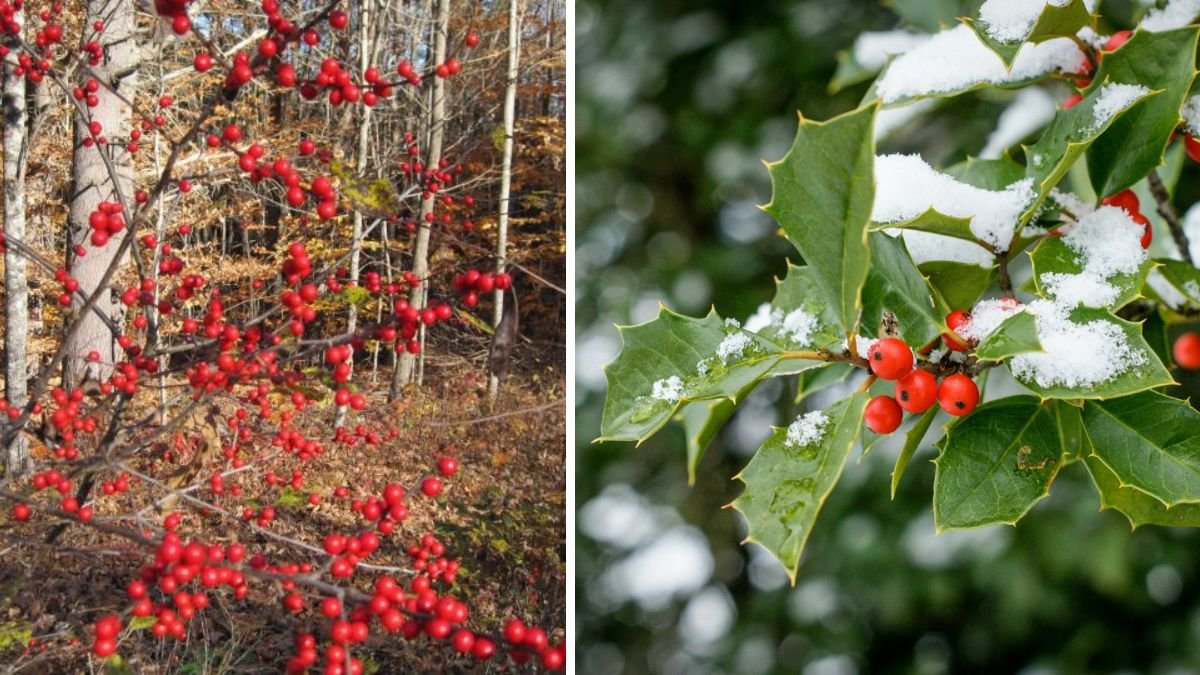
A classic Eastern U.S. native, American holly features glossy, dark green leaves and vibrant red berries that last through winter. It grows well in full sun to partial shade and adapts to a variety of soils, making it a versatile choice for most gardens.
2. Winterberry Holly (Ilex verticillata)
Winterberry holly loses its leaves in fall but produces brilliant red, orange, or yellow berries that persist into late winter. To ensure fruiting, plant both male and female plants for cross-pollination. Winterberry thrives in wet or poorly drained soils, making it ideal for low-lying areas.
3. Yaupon Holly (Ilex vomitoria)
Native to the Southeast, yaupon holly is evergreen and produces abundant red or yellow berries. It tolerates heat, humidity, and partial shade, making it suitable for southern gardens. Its dense foliage also makes an excellent privacy screen.
Selecting a species that matches your local climate and soil conditions ensures healthy growth and abundant winter color.
Planting and Growing Native Holly
Best Time to Plant
Plant native hollies in fall (late August to October) to allow roots to establish before winter. Early spring planting is also possible, but fall planting generally results in stronger root systems and healthier plants.
Light and Soil Requirements
Most native hollies prefer full sun to partial shade and well-drained soil. While they tolerate a variety of soil types, overly wet conditions can cause root rot. Slightly acidic, loamy soil encourages optimal growth and berry production.
Watering and Mulching
Water young plants deeply at planting and during dry periods. Apply organic mulch such as pine needles or shredded bark to retain moisture, moderate soil temperature, and protect roots during winter.
Pruning and Seasonal Care
Hollies are generally low-maintenance but benefit from occasional pruning:
- Timing: Late winter or early spring before new growth emerges.
- Minimal shaping: Maintains plant structure and encourages vigorous new growth.
- Remove damaged or dead branches: Prevents disease and improves appearance.
Regular pruning ensures hollies remain healthy, visually appealing, and capable of producing abundant berries each winter.
Winter Protection Tips
Even hardy native hollies can experience stress from winter conditions such as moisture loss or wind burn.
- Mulch: Protects roots and conserves soil moisture.
- Windbreaks: Temporary burlap screens can shield young or exposed plants.
- Watering: Deeply water plants before ground freezes to reduce winter dehydration.
Following these tips helps maintain the glossy evergreen foliage and berry display that makes hollies valuable for winter landscapes.
Designing with Native Holly
Hollies provide versatile design opportunities in winter gardens:
- Mixed Borders: Combine hollies with conifers and winter-blooming shrubs for contrast.
- Wildlife Gardens: Pair with other berry-bearing natives to feed birds and pollinators.
- Foundation Plantings: Use evergreens near entryways or fences to add structure and color year-round.
With their glossy leaves and bright berries, hollies remain eye-catching and functional even after holiday décor is removed.
Additional Care Tips for Maximum Color
- Fertilization: Apply a balanced, slow-release fertilizer in early spring to promote healthy foliage and berry development.
- Spacing: Plant hollies 3–5 feet apart to allow airflow and prevent disease.
- Pest Management: Inspect for scale insects or leaf spot and treat promptly with environmentally safe solutions.
- Wildlife Consideration: Plant a mix of male and female hollies to maximize fruit production for birds.
These practices ensure your holly plants are robust, colorful, and productive year after year.
Wildlife Benefits
Native hollies are more than decorative—they support local ecosystems:
- Birds: Berries feed cardinals, robins, and cedar waxwings through winter.
- Pollinators: Holly flowers provide nectar for bees and butterflies in spring.
- Habitat: Dense foliage offers shelter for birds and small mammals.
By planting native hollies, gardeners create landscapes that are both visually appealing and ecologically meaningful.
Authoritative Sources for Further Reading
For credible guidance and regional-specific advice, consult these sources:
- AOL Gardening: Tips on planting and caring for native hollies. (aol.com)
- Gardeners Path: Winterberry holly cultivation and care tips. (gardenerspath.com)
- Brandywine Conservancy: Benefits of native plants for winter landscapes. (brandywine.org)
- Better Homes & Gardens: Winter care and pruning guidelines for holly. (bhg.com)
These resources provide expert advice, practical tips, and ecological insights to ensure successful holly cultivation.
Conclusion: A Winter Garden That Shines
Native hollies are exceptional shrubs for winter interest, providing evergreen foliage, vibrant berries, and ecological benefits well beyond the holiday season. By selecting the right species, planting in suitable conditions, providing proper care, and protecting them in winter, your garden can remain colorful, lush, and wildlife-friendly throughout the cold months.
From foundation plantings to wildlife gardens, hollies offer year-round appeal with minimal fuss, making them a cornerstone for any winter landscape. With the right approach, your native hollies will thrive, brighten your garden, and support local wildlife long after the holidays are over. [FOCUS KEYWORD]