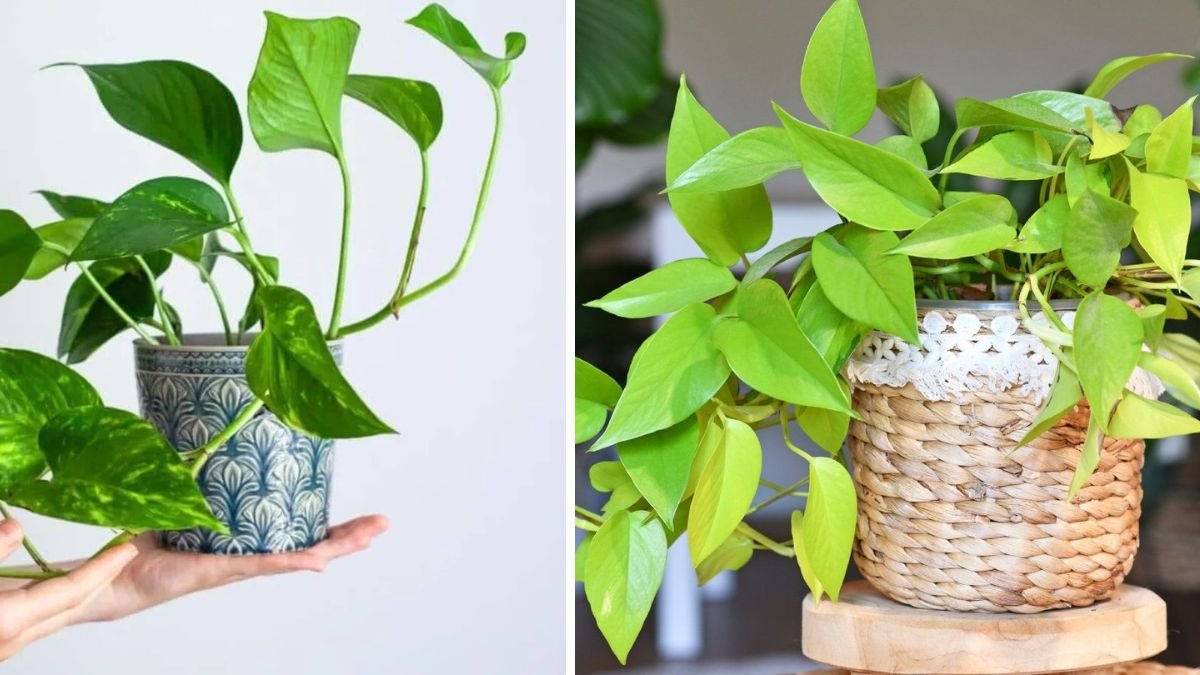
Introduction: Why Pothos Are So Popular
Pothos (Epipremnum aureum), also known as devil’s ivy, are among the most beloved indoor plants worldwide. Renowned for their resilience, attractive trailing vines, and glossy leaves, they are ideal for both beginners and seasoned plant enthusiasts. These tropical plants can thrive in a wide range of indoor environments, making them an accessible choice for homes, offices, and apartments.
Despite their hardiness, experts agree that understanding a few key care principles can make the difference between a plant that merely survives and one that truly thrives. Recent trends in indoor gardening emphasize that even hardy plants like pothos benefit from precise care routines that balance light, water, humidity, soil, and pruning. (The Spruce)
Light: The Foundation for Thriving Pothos
Lighting is one of the most critical factors influencing pothos growth.
- Bright, indirect light is ideal. While pothos tolerate low-light conditions better than many houseplants, insufficient light slows growth and dulls leaf variegation. (The Garden Fixes)
- Avoid placing pothos in direct sunlight, which can scorch leaves and cause unsightly brown spots.
- A north or east-facing window often provides the perfect environment, giving enough brightness without harsh rays.
Pro Tip: Rotate your pothos every few weeks to ensure all vines receive light evenly, promoting uniform growth and fuller foliage.

Watering: Balance Is Key
Watering correctly is crucial to cultivating a thriving pothos. Overwatering is the leading cause of stress and root problems. Experts recommend watering only when the top 1–2 inches of soil are dry. This encourages healthy root development and prevents waterlogging. (Forestry.com)
Latest Posts
- With Just 1 Bottle of Water How I Was Shocked by What Happened When Growing Vegetables
- Maximize Your Home Garden with the Hanging Pea Sprout Growing Model – Space-Saving, High-Yield, and Easy-to-Manage Vertical Gardening Solution
- Just Water – The Secret to Growing Plump, White Peanut Sprouts Right at Home: A Step-by-Step Guide for Beginners
- Growing Zucchini at Home in a Container: How to Cultivate Large, Long Fruits with a 1-to-72 Day Step-by-Step Diary for Maximum Yield
- Grow Long Beans on the Terrace in Used Recycling Baskets: The Ultimate Guide to Easy, Space-Saving, and High-Yield Terrace Gardening
- How to Grow Tons of Long Beans Easily Without a Garden – A Complete Guide to Growing Healthy Yardlong Beans Without Fertilizers or Pesticides
- Easy Long Bean Growing Trick – No Garden, No Fertilizer, No Pesticide
- Grow Bitter Melon in Bottles — Harvest So Big You Can’t Eat It All! The Ultimate Guide to Bottle Gardening for Maximum Yields
- Growing Garlic Made Easy: No Soil, Fast Results – The Ultimate Guide to Growing Fresh Garlic Indoors Without Traditional Soil
- Wall-Mounted Hydroponic Watermelon System: Grow Large, Juicy, and Delicious Watermelons at Home with Minimal Space and Maximum Yield
- Overwatering can cause root rot, yellow leaves, and stunted growth.
- Underwatering may result in drooping leaves and slow development, but pothos are generally forgiving if left slightly dry.
Maintaining this balance helps mimic the pothos’ native tropical environment and supports consistent, vibrant growth. (Gardening Know How)
Temperature and Humidity: Create a Tropical Environment
Pothos are tropical plants and thrive under warm, stable conditions:
- Ideal temperature range: 65–85°F (18–29°C)
- Recommended humidity: 40–60% (Plants Sorumatik)
Sudden cold drafts or rapid temperature fluctuations can shock the plant, slowing growth and causing leaf damage. To maintain humidity indoors, consider:

- Grouping plants together
- Using a pebble tray with water
- Operating a humidifier in drier environments
High humidity encourages robust foliage and contributes to glossy, vibrant leaves.
Soil and Pots: Healthy Roots, Healthy Plant
Proper soil and container selection are fundamental to thriving pothos:
- Use well-draining soil containing peat, perlite, or orchid bark for aeration. (Take Care Plant)
- Choose pots with drainage holes to prevent excess water from sitting at the bottom, which can lead to root rot.
- Repot pothos every 1–2 years or when roots start circling the container, ensuring fresh soil and ample space for expansion.
Healthy roots translate directly to lush growth, larger leaves, and longer trailing vines.
Fertilization: Boost Growth Without Overdoing It
While pothos are low-maintenance feeders, proper fertilization supports thriving plants:

- Use a balanced liquid fertilizer (10-10-10 or similar) diluted to half strength. (The Design Dot)
- Apply every 4–6 weeks during spring and summer when plants are actively growing.
- Reduce or pause feeding in fall and winter when growth naturally slows.
Overfertilization can cause salt buildup, leaf tip burn, and nutrient imbalances. Flush the soil with water occasionally to prevent buildup.
Pruning and Propagation: Secrets to Bushier Growth
Pruning is a simple yet powerful tool to encourage lush, full pothos:
- Cut stems just above a node (where leaves attach to the vine) to stimulate branching. (Complete Gardening)
- Remove leggy or damaged growth to maintain a tidy appearance and promote healthy new leaves.
- Propagate cuttings in water or soil to create additional plants or refresh existing growth.
Regular pruning not only improves aesthetics but also helps the plant allocate energy to new, vibrant growth.
Troubleshooting: Spotting Problems Early
Even the hardiest pothos may show signs of stress. Experts recommend monitoring these common issues:

Yellow or Brown Leaves
- Yellowing often indicates overwatering or poor drainage.
- Brown tips may result from low humidity or excessive fertilizer salts. (BHG)
Pests
- Common pests include spider mites, aphids, and scale.
- Treat infestations early with neem oil or insecticidal soap to prevent long-term damage.
Root Rot
- Mushy or foul-smelling roots indicate rot.
- Trim affected roots and repot in fresh, aerated soil to save the plant.
Prompt attention to these signs keeps your pothos thriving and avoids long-term health issues.
Expert Tips for Thriving Pothos
Plant specialists highlight several small habits that make a big difference:
- Clean the leaves periodically to remove dust and enhance photosynthesis. (Plantology USA)
- Train vines along supports or let them trail from shelves for aesthetic appeal.
- Observe natural rhythms: stable, stress-free environments encourage faster growth and fuller vines.
By integrating these simple steps, even a novice plant owner can cultivate a pothos that looks professionally maintained.
Recommended Authoritative Sources
For more in-depth guidance, check these expert resources:

- Pothos Care and Growing Guide – Gardeningetc: Practical routines for water, light, and seasonal adjustments. (Gardeningetc)
- How to Care for Pothos Plants – The Garden Fixes: Step-by-step techniques for thriving pothos indoors. (The Garden Fixes)
- Pothos Care Tips 2025 – Take Care Plant: Updated strategies for soil, pots, and fertilization. (Take Care Plant)
- Pothos Care & Common Issues – Plants Sorumatik: Humidity, propagation, and troubleshooting advice. (Plants Sorumatik)
Conclusion: A Thriving Pothos Is Within Reach
Pothos are remarkable for their adaptability, but achieving truly thriving growth requires attention to a few key factors: light, water, humidity, soil, fertilization, and pruning. Following expert guidance ensures lush, trailing vines and vibrant foliage year-round.
By understanding your plant’s needs and implementing these proven strategies, your pothos will not only survive but flourish, transforming your indoor space into a lush, green oasis.
Even beginners can enjoy the satisfaction of a thriving pothos with just a little care and observation, proving why this resilient plant remains a favorite in homes worldwide.