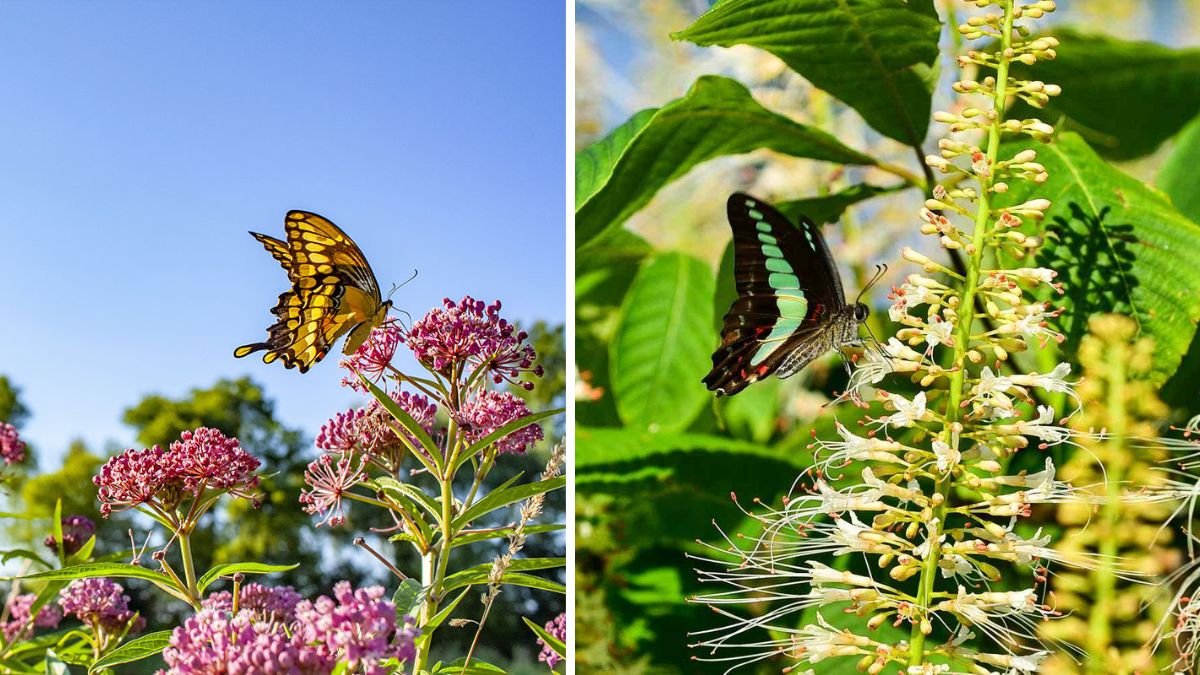
Butterflies are more than just beautiful visitors—they’re essential pollinators that help gardens thrive. One of the easiest and most rewarding ways to invite butterflies into your outdoor space is by planting herbs they love. Many herbs serve double duty: they attract butterflies while also offering fragrance, flavor, and texture for your garden and kitchen.
Garden experts agree that incorporating butterfly-friendly herbs creates a healthier ecosystem, supports pollinators, and adds visual interest throughout the growing season. From nectar-rich blooms to host plants for caterpillars, these herbs can transform any garden into a fluttering sanctuary.
Here are the top 10 butterfly-attracting herbs to spice up your garden and support pollinators naturally.
1. Dill
Dill is a must-have herb for butterfly lovers, especially if you want to support the full butterfly life cycle. It’s a favorite host plant for swallowtail butterfly caterpillars.
- Why butterflies love it: The feathery foliage provides food for caterpillars, while the yellow flower umbels offer nectar for adults.
- Growing tips: Plant dill in full sun with well-draining soil. Let some plants flower instead of harvesting them all.
- Garden bonus: Dill self-seeds easily, ensuring future butterfly food without extra effort.
Experts encourage gardeners to tolerate a bit of caterpillar damage—those chewed leaves mean your garden is doing its job.
Latest Posts
- With Just 1 Bottle of Water How I Was Shocked by What Happened When Growing Vegetables
- Maximize Your Home Garden with the Hanging Pea Sprout Growing Model – Space-Saving, High-Yield, and Easy-to-Manage Vertical Gardening Solution
- Just Water – The Secret to Growing Plump, White Peanut Sprouts Right at Home: A Step-by-Step Guide for Beginners
- Growing Zucchini at Home in a Container: How to Cultivate Large, Long Fruits with a 1-to-72 Day Step-by-Step Diary for Maximum Yield
- Grow Long Beans on the Terrace in Used Recycling Baskets: The Ultimate Guide to Easy, Space-Saving, and High-Yield Terrace Gardening
- How to Grow Tons of Long Beans Easily Without a Garden – A Complete Guide to Growing Healthy Yardlong Beans Without Fertilizers or Pesticides
- Easy Long Bean Growing Trick – No Garden, No Fertilizer, No Pesticide
- Grow Bitter Melon in Bottles — Harvest So Big You Can’t Eat It All! The Ultimate Guide to Bottle Gardening for Maximum Yields
- Growing Garlic Made Easy: No Soil, Fast Results – The Ultimate Guide to Growing Fresh Garlic Indoors Without Traditional Soil
- Wall-Mounted Hydroponic Watermelon System: Grow Large, Juicy, and Delicious Watermelons at Home with Minimal Space and Maximum Yield

2. Fennel
Closely related to dill, fennel is another swallowtail magnet. Its tall, airy structure adds height and movement to herb beds.
- Why butterflies love it: Both caterpillars and adult butterflies benefit from fennel.
- Growing tips: Give fennel plenty of space and full sun. It prefers loose, fertile soil.
- Garden bonus: The yellow blooms attract a wide range of pollinators beyond butterflies.
Gardeners often plant fennel toward the back of borders to allow caterpillars to feed undisturbed.
3. Lavender
Lavender is famous for its soothing fragrance, but butterflies love it just as much as humans do.
- Why butterflies love it: Lavender’s nectar-rich purple flowers attract butterflies throughout summer.
- Growing tips: Plant in full sun with excellent drainage. Lavender thrives in slightly dry conditions.
- Garden bonus: It’s drought-tolerant and deer-resistant once established.
Experts note that lavender works especially well in butterfly gardens because it blooms for weeks at a time.
4. Chives
Chives may seem humble, but their round, purple flower heads are butterfly magnets.
- Why butterflies love it: The blossoms provide easy access to nectar.
- Growing tips: Chives are adaptable and grow well in containers or garden beds with full sun to partial shade.
- Garden bonus: Allow chives to flower before trimming them back for kitchen use.
Butterflies tend to visit chives early in the season, making them valuable for spring pollinators.
5. Basil
Basil is best known as a culinary staple, but when allowed to flower, it becomes a powerful butterfly attractor.
- Why butterflies love it: Basil flowers produce abundant nectar.
- Growing tips: Harvest leaves regularly early in the season, then let a few plants bloom later.
- Garden bonus: Flowering basil attracts beneficial insects that help control pests.
Experts recommend planting several basil varieties to extend bloom time and increase nectar availability.
6. Oregano
Oregano is one of the most underrated butterfly herbs. When it blooms, it comes alive with pollinator activity.
- Why butterflies love it: Tiny purple or white flowers are packed with nectar.
- Growing tips: Plant oregano in full sun with well-draining soil. It’s very low-maintenance.
- Garden bonus: Oregano spreads gently, creating a living ground cover that butterflies adore.
Gardeners often remark that oregano flowers attract more butterflies than many ornamental plants.

7. Thyme
Thyme’s delicate flowers may be small, but butterflies find them irresistible.
- Why butterflies love it: Dense clusters of tiny blooms provide consistent nectar.
- Growing tips: Thyme thrives in full sun and dry, rocky soil.
- Garden bonus: It works beautifully as edging or between stepping stones.
Experts say thyme is especially useful in small gardens where space is limited but pollinator support is still desired.
8. Sage
Sage offers both bold foliage and tall flower spikes that butterflies love.
- Why butterflies love it: The tubular flowers are ideal for butterflies and bees.
- Growing tips: Plant sage in full sun with good air circulation and well-draining soil.
- Garden bonus: Perennial sage returns year after year, providing long-term butterfly habitat.
Letting sage bloom instead of cutting it back early significantly increases butterfly visits.
9. Mint
Mint’s vigorous growth and fragrant flowers make it a reliable butterfly attractor.

- Why butterflies love it: The pale purple flowers are rich in nectar.
- Growing tips: Plant mint in containers to prevent spreading. It tolerates partial shade well.
- Garden bonus: Mint blooms later in the season, offering nectar when other plants fade.
Experts often recommend mint for pollinator gardens because it’s nearly impossible to kill.
10. Lemon Balm
A member of the mint family, lemon balm has soft foliage and small white flowers that butterflies adore.
- Why butterflies love it: Its blooms provide late-season nectar.
- Growing tips: Grow in full sun to partial shade; container planting helps control spread.
- Garden bonus: Crushing the leaves releases a citrusy scent that deters mosquitoes.
Lemon balm is especially helpful for supporting butterflies in late summer and early fall.
How to Design a Butterfly Herb Garden
To get the most butterfly activity from your herbs:
- Plant in clusters: Group the same herbs together so butterflies can find them easily.
- Stagger bloom times: Choose herbs that flower at different points in the season.
- Avoid pesticides: Chemicals harm butterflies and caterpillars, even in small amounts.
- Provide water: A shallow dish with pebbles gives butterflies a safe place to drink.
Experts emphasize that a diverse herb garden supports butterflies at every stage of life.
Supporting Caterpillars Is Part of the Process
Many gardeners worry when caterpillars chew on herbs, but this is a sign of success. Butterfly-friendly gardens are meant to be lived in, not just admired.
- Expect some leaf damage
- Avoid removing caterpillars
- Plant extra herbs to share
Healthy butterfly populations depend on gardeners who embrace a little imperfection.
Final Thoughts
Planting butterfly-attracting herbs is one of the easiest ways to bring movement, color, and life into your garden. These herbs don’t just support adult butterflies—they nourish caterpillars, attract beneficial insects, and enhance your garden’s beauty and productivity.
By choosing a mix of dill, fennel, lavender, basil, oregano, and other nectar-rich herbs, you create a vibrant ecosystem that rewards you with fluttering wings all season long. With minimal effort and thoughtful planting, your garden can become a welcoming haven for butterflies—and a richer, more dynamic space for you to enjoy.