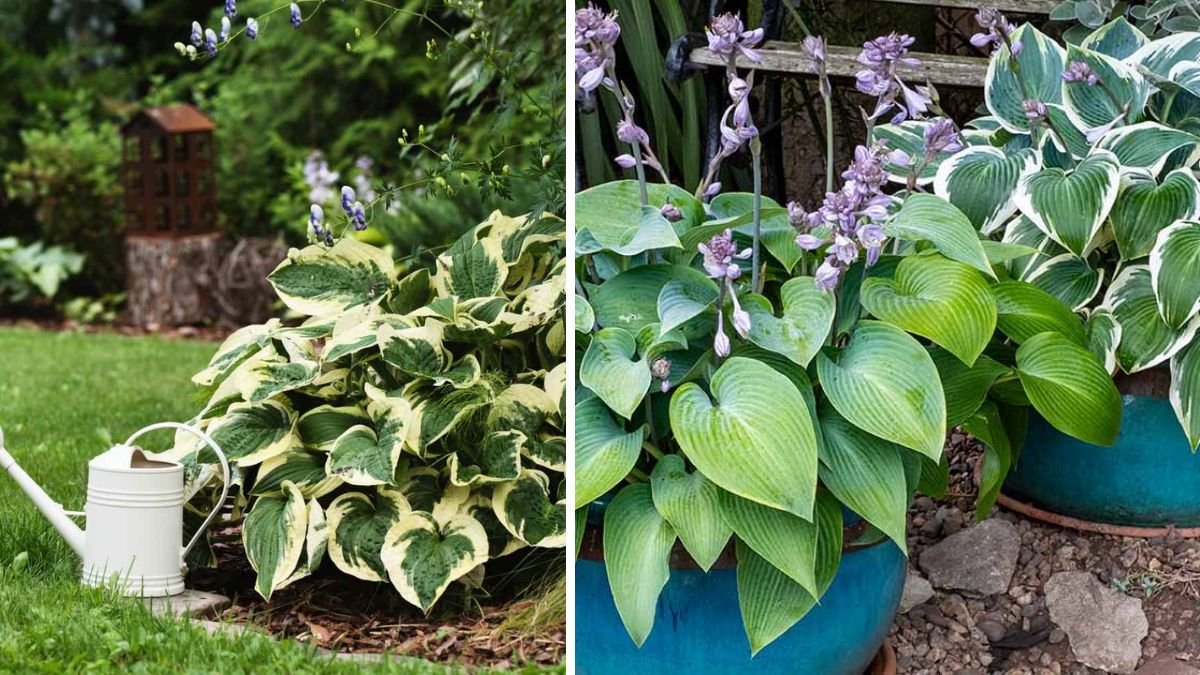
Hostas are beloved for their lush foliage, variety of textures, and ability to brighten shady areas of the garden. These perennial plants are relatively low-maintenance and can live for decades, making them a favorite for both beginner and experienced gardeners. However, even the hardiest hostas have preferences, and planting them in the wrong location can lead to stunted growth, pest problems, and disappointing foliage.
Experts emphasize that understanding where not to plant hostas is just as important as knowing their ideal growing conditions. This guide highlights five common garden spots to avoid when planting hostas and explains why these areas can hinder their health and beauty.
1. Direct, Harsh Sunlight
While some hosta varieties can tolerate partial sun, most thrive in partial to full shade. Planting hostas in direct, intense sunlight—especially in the hottest part of the day—can cause:

- Leaf scorching: Pale or brown patches develop on leaves exposed to excessive sun.
- Wilting: Leaves lose moisture quickly, stressing the plant.
- Reduced size and vigor: Sun-stressed hostas grow smaller and may produce fewer leaves.
Experts suggest placing hostas under trees, beside shaded structures, or in areas with filtered light. Morning sun with afternoon shade is ideal for varieties that can tolerate a little sun, but full sun should generally be avoided unless it’s a specially bred sun-tolerant hosta.
2. Poorly Draining Soil or Low-Lying Areas
Hostas prefer rich, moist, well-draining soil, so planting them in soggy or clay-heavy areas can be problematic:
Latest Posts
- With Just 1 Bottle of Water How I Was Shocked by What Happened When Growing Vegetables
- Maximize Your Home Garden with the Hanging Pea Sprout Growing Model – Space-Saving, High-Yield, and Easy-to-Manage Vertical Gardening Solution
- Just Water – The Secret to Growing Plump, White Peanut Sprouts Right at Home: A Step-by-Step Guide for Beginners
- Growing Zucchini at Home in a Container: How to Cultivate Large, Long Fruits with a 1-to-72 Day Step-by-Step Diary for Maximum Yield
- Grow Long Beans on the Terrace in Used Recycling Baskets: The Ultimate Guide to Easy, Space-Saving, and High-Yield Terrace Gardening
- How to Grow Tons of Long Beans Easily Without a Garden – A Complete Guide to Growing Healthy Yardlong Beans Without Fertilizers or Pesticides
- Easy Long Bean Growing Trick – No Garden, No Fertilizer, No Pesticide
- Grow Bitter Melon in Bottles — Harvest So Big You Can’t Eat It All! The Ultimate Guide to Bottle Gardening for Maximum Yields
- Growing Garlic Made Easy: No Soil, Fast Results – The Ultimate Guide to Growing Fresh Garlic Indoors Without Traditional Soil
- Wall-Mounted Hydroponic Watermelon System: Grow Large, Juicy, and Delicious Watermelons at Home with Minimal Space and Maximum Yield
- Root rot: Waterlogged soil deprives roots of oxygen, causing rot and plant death.
- Fungal diseases: Constant moisture encourages fungal infections like crown rot.
- Nutrient deficiencies: Waterlogged soil reduces nutrient uptake, leading to weak growth.
Experts recommend avoiding low-lying spots where water accumulates after rain. If your garden has heavy clay, consider raised beds or amending the soil with compost, sand, or organic matter to improve drainage.

3. High-Traffic Areas
While hostas are hardy, they are susceptible to physical damage in areas where people or pets frequently walk:
- Crushed foliage: Large leaves can be easily torn or flattened.
- Compacted soil: Frequent foot traffic compacts the soil, limiting root growth and water absorption.
- Trampled flowers: Hosta blooms may be damaged, reducing aesthetic appeal.
Experts advise planting hostas in quieter parts of the garden—along borders, in woodland-inspired beds, or in corners away from walkways. If you want them near paths, consider protective edging or low fencing to prevent accidental damage.
4. Areas Prone to Slugs and Deer
Hostas are highly attractive to pests, especially slugs, snails, and deer. Planting them in exposed locations can lead to serious damage:

- Slugs and snails: Wet, shaded areas without airflow encourage slug infestations that eat holes in leaves.
- Deer browsing: Hostas are a favorite snack for deer in the landscape.
- Rodents: Occasionally, small mammals may chew roots or leaves.
Experts recommend using pest deterrents or selecting less accessible areas, such as raised beds, containers, or spots with natural barriers. For deer-prone regions, physical barriers like fencing or repellents are essential.
5. Too Close to Competing Plants
While hostas are forgiving, planting them too close to aggressive perennials, shrubs, or fast-growing trees can limit their success:
- Competition for nutrients and water: Larger plants or trees can outcompete hostas, leading to poor growth.
- Shading issues: Unexpected shade from nearby plants may reduce leaf size or cause uneven coloration.
- Crowding: Crowded conditions reduce airflow, increasing susceptibility to fungal diseases and pests.
Experts advise giving hostas adequate space based on their variety—smaller types may need 12–18 inches between plants, while larger varieties may need 24–36 inches. Proper spacing allows leaves to unfurl fully and promotes a balanced, healthy appearance.
Expert Tips for Optimal Hosta Planting
- Soil enrichment: Before planting, incorporate organic matter such as compost or leaf mold to improve fertility and moisture retention.
- Mulching: Apply a 2–3 inch layer of mulch to retain soil moisture, suppress weeds, and protect roots in winter. Avoid piling mulch directly against the crown of the plant.
- Watering: Keep soil consistently moist, especially during hot, dry periods. Water deeply at the base rather than overhead to prevent fungal issues.
- Variety selection: Choose hosta varieties that suit your garden conditions—sun-tolerant types for brighter spots, shade-loving varieties for darker corners.
- Regular maintenance: Remove dead or damaged leaves, divide mature clumps every 3–5 years, and monitor for pests regularly.
Experts agree that following these tips while avoiding the five unsuitable locations ensures healthy, lush hostas year after year.
Benefits of Planting Hostas in the Right Spot
When hostas are planted in ideal conditions, gardeners enjoy:
- Lush foliage: Large, vibrant leaves that form a beautiful groundcover.
- Extended blooming: Hostas produce tall spikes of flowers that add seasonal interest.
- Low maintenance: Once established in the right location, hostas require minimal care beyond watering and occasional division.
- Pest resistance: Planting in areas with better airflow and accessibility reduces pest pressure.
A well-placed hosta can transform shaded garden corners into a visually stunning and serene retreat.
Final Thoughts
Hostas are versatile, resilient, and beautiful, but their success depends largely on placement. Experts caution against planting them in direct sun, poorly drained areas, high-traffic zones, exposed pest-prone locations, or crowded spots near competing plants. By avoiding these five common mistakes and following proper care techniques, gardeners can enjoy vibrant, long-lived hostas that bring texture, color, and elegance to their landscapes.
Planting hostas thoughtfully ensures not only a healthier plant but also a more visually pleasing garden. With proper placement, attention to soil, and awareness of potential pests, hostas can thrive for decades, making them a lasting centerpiece in shaded or semi-shaded garden areas.